Major oil and gas facilities across the Gulf region have been evacuated following an explicit threat from Iran to launch imminent air strikes against energy installations in neighbouring countries. The dramatic escalation comes directly after Iranian oil facilities themselves came under attack, marking a dangerous new phase in the ongoing regional conflict.
Imminent Threat to Key Energy Infrastructure
On Wednesday, 18 March 2026, Iranian state media broadcast an urgent evacuation warning directed at several critical energy centres in Saudi Arabia, the United Arab Emirates, and Qatar. The message stated these facilities had become "direct and legitimate targets" and would be attacked "in the coming hours."
The warning specifically named:

- Saudi Arabia's Samref Refinery and Jubail Petrochemical Complex
- The United Arab Emirates' Al Hosn Gas Field
- Qatar's Mesaieed Petrochemical Complex, Mesaieed Holding Company, and Ras Laffan Refinery
The Iranian directive ordered "all citizens, residents, and employees to immediately leave these areas and move to a safe distance without any delay." This unprecedented warning triggered rapid evacuation procedures at the named sites, creating significant disruption to regional energy operations.
Retaliation for Attacks on Iranian Facilities
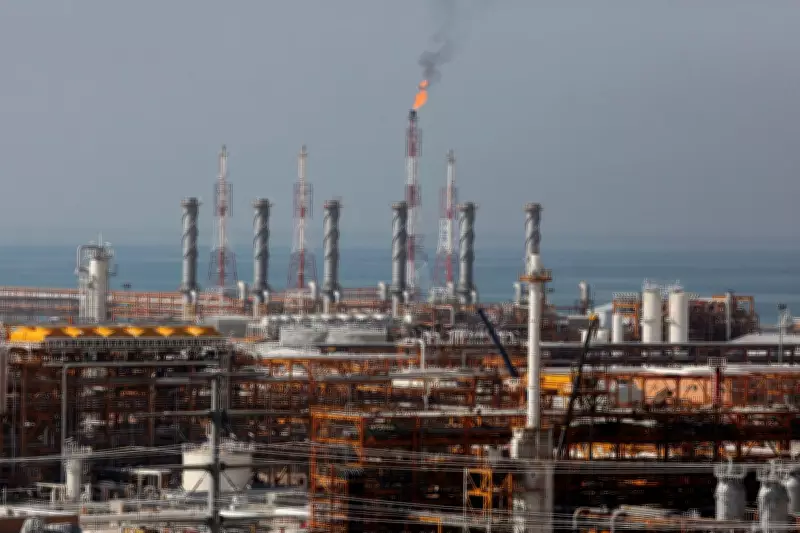
The threat was issued shortly after Iranian oil and gas facilities at South Pars and Asaluyeh came under attack. The assault on Iran's massive Pars gas field represents the first reported strikes on Iranian energy infrastructure in the Gulf during the current U.S.-Israeli conflict, constituting a major escalation in hostilities.
Pars is the Iranian sector of the world's largest natural gas deposit, which Iran shares with Qatar across the Gulf waters. According to Iran's Fars news agency, the attack hit gas tanks and sections of a refinery, forcing workers to evacuate to safe locations while emergency crews battled resulting fires.
Attribution and International Response
The attack on Iran's facilities has been widely reported in Israeli media as having been conducted by Israel with American consent. The Israeli military has not provided immediate comment on these reports.
Qatar, a close U.S. ally that hosts the largest American airbase in the region, explicitly identified the assault as an Israeli attack, though notably did not mention any U.S. involvement. A Qatari foreign ministry spokesperson condemned the action as a "dangerous and irresponsible" escalation that seriously jeopardises global energy security.
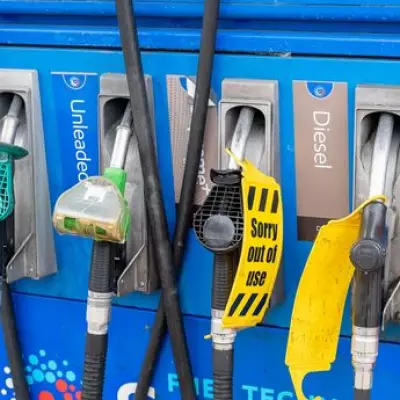
Previously, both the United States and Israel had refrained from targeting Iran's energy production facilities in the Gulf—a strategic restraint designed to avoid provoking retaliation against other regional producers and to prevent further destabilisation of global energy markets already experiencing historic supply disruptions.
Broader Conflict Context and Implications
This development occurs nearly three weeks into the ongoing war, with no indications of de-escalation emerging. The direct targeting of energy infrastructure by multiple parties represents a significant intensification that threatens to further disrupt global oil and gas supplies.
The situation creates particular tension for Qatar, which shares the massive Pars gas field with Iran. Any sustained conflict involving these facilities could have profound consequences for global natural gas markets, given the field's enormous production capacity.
The evacuation of multiple major energy sites across three Gulf nations demonstrates the immediate operational impact of Iran's threats. How regional governments and international actors respond to this dangerous new phase will likely determine whether the conflict remains contained or spreads further across critical energy-producing regions.