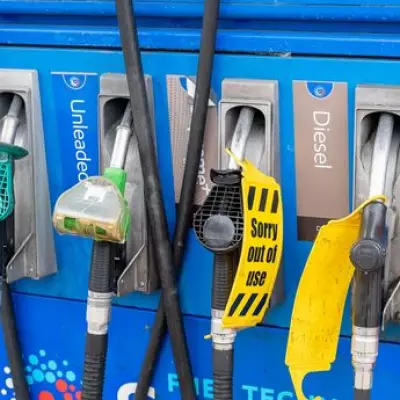
Across Southeast Asia, governments are urgently implementing emergency measures to conserve energy and protect citizens from skyrocketing costs, as the ongoing conflict in the Middle East causes significant disruption in the global oil market. The region, which depends heavily on imported energy, is facing severe challenges due to supply chain issues, particularly through the strategic Strait of Hormuz.
Immediate Government Responses
In Thailand, news anchors have been instructed to remove their jackets on air as part of a broader directive to reduce air conditioning usage in public buildings. This symbolic move highlights the nationwide effort to cut energy consumption amid the crisis. Meanwhile, in the Philippines, government workers are now operating on a compressed four-day workweek to lower electricity demand and operational costs.
Broader Regional Measures
Officials across the region have warned that further actions, including potential fuel rations and direct cash handouts to vulnerable populations, could be introduced if the energy situation deteriorates. These steps aim to shield the public from the economic impact of soaring oil prices, which have surged due to geopolitical tensions in the Middle East.

Strategic Energy Dependence
Southeast Asia's reliance on imported energy, much of which transits through the Strait of Hormuz, makes it particularly vulnerable to global market shocks. The current crisis underscores the urgent need for diversified energy sources and enhanced conservation strategies to mitigate future risks.
As the situation evolves, governments are closely monitoring developments and preparing contingency plans to ensure stability and support for their citizens during this challenging period.