Iran Conflict Fuels Energy Crisis for UK Steel and Chemical Industries
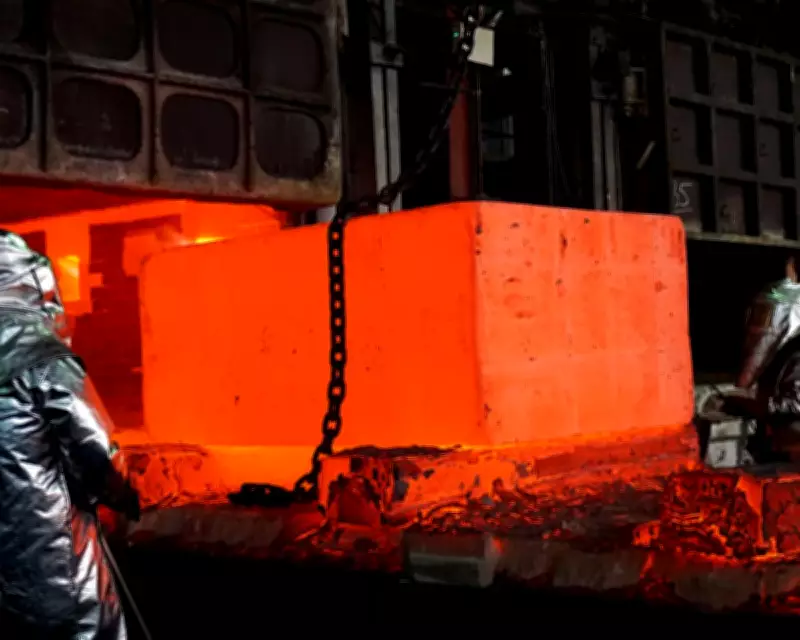
The economic fallout from the Iran conflict is delivering a severe blow to energy-intensive industries across Britain, with companies in sectors such as steel and chemicals struggling to cope with skyrocketing costs. For Somers Forge, a historic family-owned forge in the Black Country, the situation is already proving very damaging, according to finance director Tammy Inglis.
Soaring Costs and Survival Mode
In its 160-year history, Somers Forge has produced steel columns for the Bank of England, part of the anchor for the Titanic, and propeller shafts for Britain's nuclear submarines. However, the current geopolitical crisis is pushing the company to the edge. Energy previously accounted for about a fifth of manufacturing costs at the Halesowen-based forge, which employs 140 people, but that proportion is now rising sharply.
Everybody just battens down the hatches and spends what they absolutely need to spend, said Inglis. You're in survival mode. The forge's monthly gas bill has soared from £150,000 to as high as £250,000 based on recent prices, forcing the company to absorb unpredictable market swings.

Broader Impact on UK and European Industries
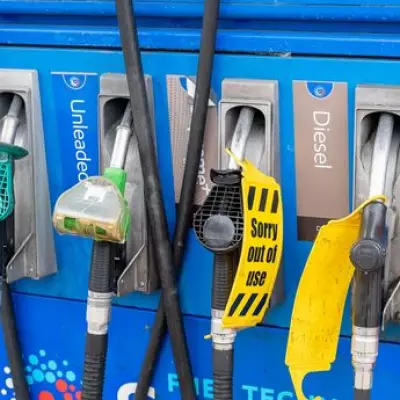
This predicament is shared by energy-intensive companies across Britain and Europe. The Iran conflict has disrupted global supplies after Iran began attacking ships in the Gulf and choked off access through the Strait of Hormuz, a narrow waterway through which a fifth of the world's oil and gas normally passes. British wholesale gas prices climbed as high as 171p a therm after the invasion began, their highest level since Russia's full-scale invasion of Ukraine in 2022, up from 78p a therm at the end of February.
The UK imports about 70% of its gas, leaving it vulnerable to such price swings. At British Steel's Scunthorpe plant, operating costs are already £1.3 million a day, highlighting the severe financial strain on the sector.
Chemicals Sector in Deep Crisis
The exposure is even worse for the chemicals sector, where companies rely on gas not only to power their plants but also as feedstock—the raw material for many products. This means every spike in prices hits them twice. Production output in the UK chemicals industry has fallen by 60% since 2021, with at least 25 sites closing since then, according to the Chemicals Industry Association.
Peter Huntsman, CEO of Huntsman Corporation, which operates a plant in Wilton on Teesside employing about 80 people, expressed doubt about the site's future if high prices persist. If today's economics were to stay in place for the next three months, I would shut down my UK facility and I'd be importing product from China or the US, he said. Huntsman imposed surcharges of 20%-30% on European and UK customers to cover rising gas costs, but this has led some customers to seek alternatives from China.
Structural Issues and Global Ripples
Adolfo Aiello, deputy director general for climate and energy at Eurofer, the EU's steel representative body, noted that the war highlights a broader structural issue. Even with most electricity in Europe generated from low-cost renewables, geopolitical shocks still ripple through to industrial electricity bills due to pricing mechanisms. The continent's steel industry has warned for the past year that it is in danger of collapsing unless electricity pricing is reformed.
The crisis has also disrupted chemical cargoes in the region, with shipments including bauxite, limestone, sands, sulphur, grain, and fertiliser held up. Europe's agriculture sector, which sources 11% of its urea from the Gulf, faces immediate danger, with prices rising significantly.
Echoes of Past Crises and Future Uncertainties
Back at Somers Forge, Inglis fears a lingering economic impact from the war. While the company uses hedging to lock in some energy prices, it remains partly exposed to daily market swings. My broker contacted me and said we should buy some more energy, she explained, but then if you commit to a purchase for gas in 2027 at today's prices, by the time we get there it could be half that price. Then you're not competitive in the market.

The situation echoes the Ukraine crisis, during which the forge was forced to lay off staff. Gas prices remain below the £8 a therm peak of 2022, but Inglis worries about a return to those conditions. At that time we were losing money and we had to lay people off, she said. It's still early days but I think there's a risk that we could get to that level.
As the conflict continues, energy-intensive industries across the UK and Europe brace for further challenges, with small operations particularly at risk without government support. The crisis underscores the fragile state of these vital sectors in the face of global geopolitical tensions.