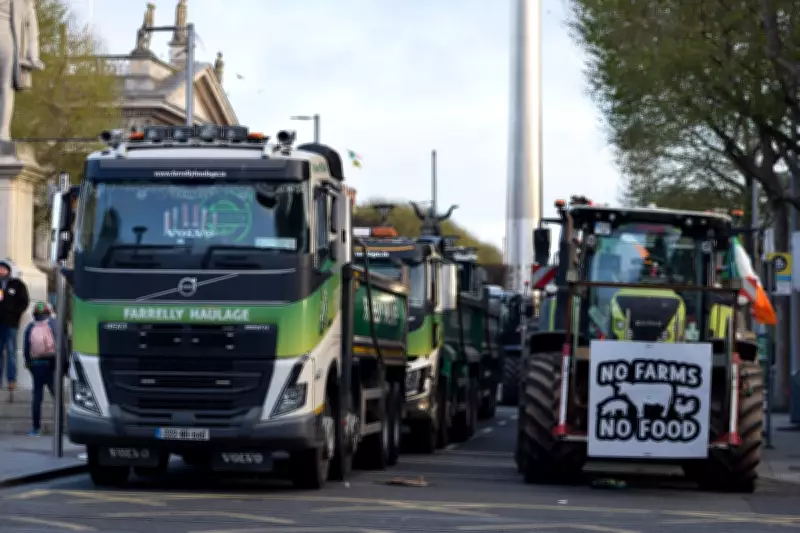
The Irish government has unveiled a substantial €505 million (£440 million) relief package aimed at addressing soaring fuel costs, following intense nationwide protests that severely disrupted distribution networks. The announcement was made by Taoiseach (Prime Minister) Micheál Martin after an emergency cabinet meeting convened to respond to the escalating crisis.
Emergency Measures to Ease Fuel Burden
In a decisive move, the government has approved further reductions in duties on fuel and postponed a planned increase in carbon tax. This new package builds upon earlier measures worth €250 million (£218 million) announced nearly three weeks ago, bringing the total financial commitment to over €755 million in recent efforts to mitigate the impact of rising energy prices.
Protests Paralyse Distribution Networks
The announcement comes after a week of widespread protests led primarily by hauliers, farmers, and agricultural workers. These demonstrations included blockades at Ireland's sole oil refinery and other critical depots, effectively strangling fuel distribution across the country. The situation escalated to the point where public order units clashed with protesters, resulting in several arrests.

Protesters initiated coordinated actions on Tuesday, employing slow-moving convoys and complete stoppages on major motorways, alongside blockades of essential infrastructure. While most protests had largely subsided by midday on Sunday, their impact was profound, highlighting the urgency of the government's response.
Government Response to Economic Pressure
The protesters had demanded immediate government intervention, arguing that current fuel costs have reached unsustainable levels that threaten to force many businesses into closure. Taoiseach Micheál Martin acknowledged these concerns, stating that the emergency measures are designed to provide relief to both consumers and industries grappling with the financial strain.
The delay in the carbon tax increase represents a significant policy shift, reflecting the government's recognition of the acute economic pressures facing the nation. Combined with the duty reductions, these measures aim to stabilise fuel prices in the short term while addressing broader economic vulnerabilities.
This comprehensive response underscores the Irish government's commitment to balancing environmental policies with economic realities, particularly in the face of widespread public discontent and operational disruptions across key sectors.