Israel's Attack on South Pars Gasfield Escalates Middle East Conflict
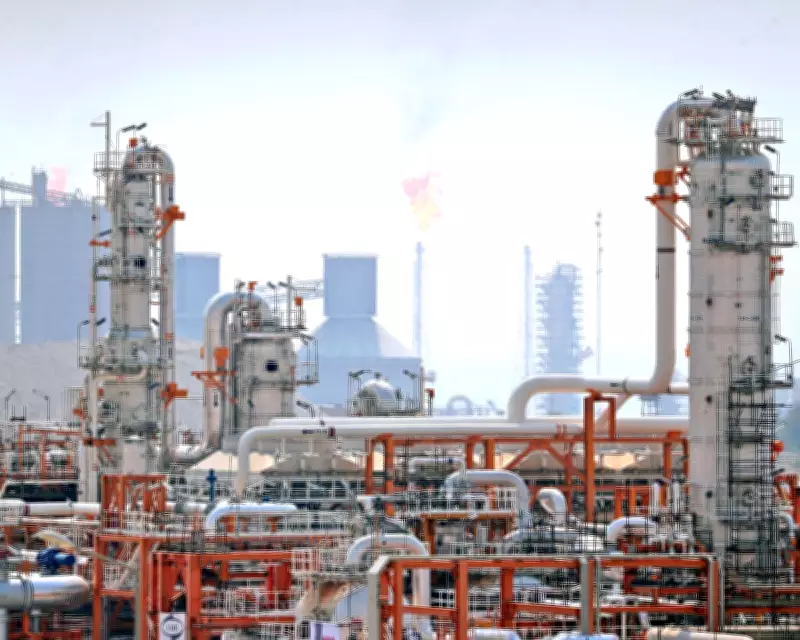
Israel launched a strike on Iran's massive South Pars gasfield on Wednesday, marking a significant escalation in the ongoing war. This action triggered retaliatory strikes from Iran, targeting Qatar's Ras Laffan gas complex and other Gulf neighbours, causing global stock markets to tumble and gas prices to surge sharply.
Iran Issues Stern Warning After Infrastructure Attacks
Iranian Foreign Minister Abbas Araghchi warned on Thursday that Iran would show "zero restraint" if its energy infrastructure is targeted again. He stated in a post on X that Iran's response to Israel's attack employed only a fraction of its power, with restraint based solely on respect for requested de-escalation efforts.
Qatar revealed that nearly 20% of its liquefied natural gas export capacity has been knocked out by Iranian strikes, with repairs expected to take three to five years, threatening supplies to European countries. QatarEnergy's CEO, Saad Sherida al-Kaabi, estimated $20 billion in damage and expressed shock at the attack during Ramadan.

Global Markets Reel from Energy Supply Disruptions
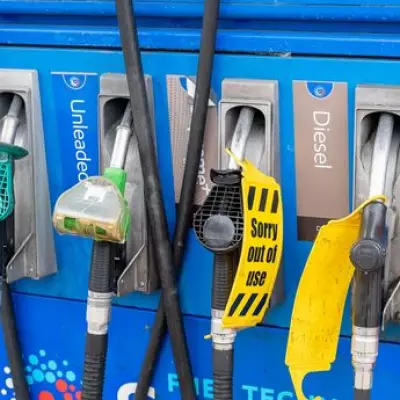
The attacks have sent shockwaves through global energy markets. Brent crude oil prices rose as much as 10% to $119 a barrel before settling at $110, a 3.3% daily gain. European and UK gas prices jumped up to 24%, more than doubling since the war began on February 28.
Stock markets worldwide experienced heavy sell-offs, with the UK's FTSE 100 closing down 2.35% and similar declines in Germany and France. Airlines warned that rising fuel prices would drive up fares, urging passengers to book early and rerouting flights via Asia due to disruptions in Gulf hubs.
International Response and Diplomatic Tensions
The UK, France, Germany, Italy, the Netherlands, and Japan issued a joint statement expressing "deep concern" about the escalating conflict, calling on Iran to cease threats to commercial shipping in the Strait of Hormuz. They warned that Iran's actions would affect people globally, especially the most vulnerable.
French President Emmanuel Macron called for a return to reason, highlighting the long-term impact on global markets and advocating for a moratorium on infrastructure and civilian strikes. The EU stated readiness to contribute to diplomatic efforts to reduce tensions and prevent a migration crisis similar to 2015.
Conflicting Messages from US and Israeli Leaders
Israeli officials confirmed that the Bazan Group refinery in Haifa was damaged in an Iranian strike. Prime Minister Benjamin Netanyahu asserted that Israel acted alone in the South Pars attack, despite US President Donald Trump's claims of coordination. Trump later recanted, stating he told Netanyahu not to attack Iranian gasfields again but acknowledged occasional unilateral actions.
US Defence Secretary Pete Hegseth delivered a bellicose warning to Iran, accusing the press of misleading the public about the conflict. He emphasized that US objectives remain unchanged, thanking Trump for confronting Iran. Meanwhile, Trump suggested he would not send ground troops to Iran despite deploying 2,000 US Marines to the region.
Broader Regional Impacts and Future Risks
Iranian strikes also hit Saudi Arabia's Red Sea refinery and two Kuwaiti oil refineries, exacerbating regional tensions. Saudi Arabia's foreign minister did not rule out military response, though analysts note Gulf countries' reluctance to entangle in Trump's conflict.
Possible next steps include securing safe passage for oil tankers through the Strait of Hormuz, potentially involving US troops on Iran's shoreline. The situation remains volatile, with warnings of an unprecedented energy crisis and growing panic in global capitals as the war risks spiralling out of control.