US Strike on Kharg Island Escalates Oil Market Crisis
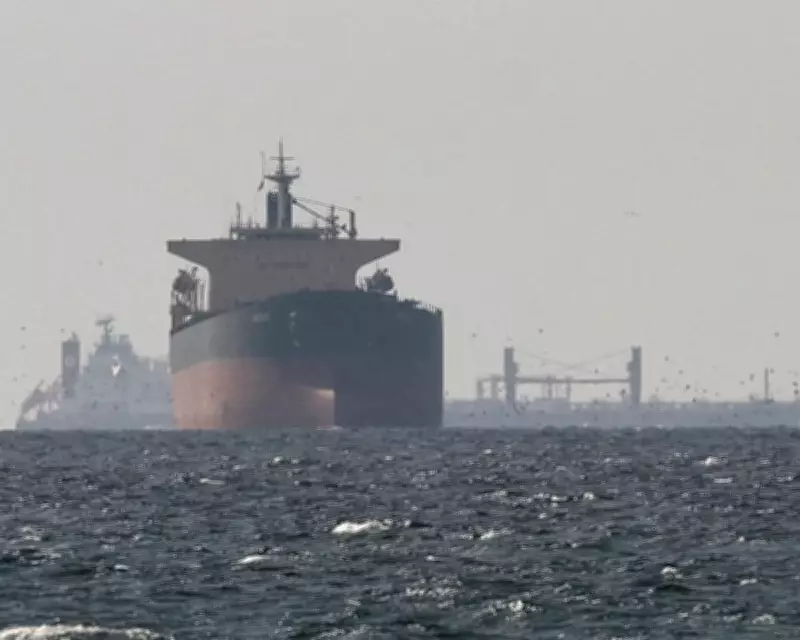
Tankers in the Gulf near the Strait of Hormuz, effectively blocked by the Iran war, underscore a deepening energy crisis. A weekend attack by US forces on Kharg Island, Iran's critical oil processing hub, threatens to keep oil prices elevated, with analysts warning they could surpass the 2008 record of $147.50 a barrel.
Strategic Target and Market Volatility
Located about 20 miles off Iran's coast, Kharg Island processes nine out of every 10 barrels of Iranian crude daily, making it the economic heart of the petrostate. President Donald Trump's decision to launch the attack is a direct counterstrike to Iran's chokehold on the Strait of Hormuz, a vital trade artery for global oil. The bombardment targeted military assets but spared oil facilities for now, though Trump has warned of further strikes if Iran refuses to reopen the strait.
Any damage to Kharg Island's infrastructure could force Iran to cut production by up to 1 million barrels per day, exacerbating supply shortages already felt worldwide. This uncertainty from one of the world's largest oil producers is likely to fuel market volatility, following weeks of historic price increases.

Gulf Oilfields Forced to Shut Down
The war has blocked Gulf states from exporting a fifth of the world's oil supply through the Strait of Hormuz, with Iranian attacks erasing an estimated 15 million barrels from the market. Beyond the tankers ablaze in the narrow waterway, a quieter threat looms: the shutdown of major oilfields. Producers like Saudi Arabia have been forced to close facilities, including the Safaniya field, the world's largest offshore oilfield, which has operated for nearly 70 years.
As pipelines and storage facilities reach capacity, the only option is to turn off the taps, threatening prolonged high prices for households and businesses. In a worst-case scenario, oil could exceed $147.50 a barrel, driven by fears of sustained production cuts.
Price Fluctuations and Global Response
Brent crude prices retreated from highs of $119 a barrel this week as global leaders prepared to release 400 million barrels from reserves to temper the market. However, prices have crept back above $100 a barrel as fields in Saudi Arabia, Iraq, and Kuwait shut down. The International Energy Agency estimates that combined shut-ins and infrastructure damage could cut production by 10 million barrels per day.
The war has also disrupted global gas supplies, with Qatar forced to shut down liquefied natural gas production due to Iranian attacks, causing European gas prices to spike by 80% to over €56 per megawatt hour. Qatari Energy Minister Saad al-Kaabi warned it could take "weeks to months" to restore normal deliveries, even if the war ended immediately.
Logistical Challenges and Pipeline Reroutes
Restarting shuttered oilfields is a complex and lengthy process, potentially taking weeks or months to fully restore output, with risks of permanent damage. Saudi Arabia's Aramco has assured it can export 70% of its usual output via a pipeline to the Red Sea port of Yanbu, doubling volumes to 3 million barrels daily, with plans to reach 5 million. At least 25 tankers are en route to support this effort.
Similarly, the United Arab Emirates has increased pipeline crude from 1.1 million to 1.6 million barrels per day. However, pipeline options are limited for other producers like Iraq, Kuwait, and Iran, which have no bypass capacity. Iraq's production has plummeted to 1.3 million barrels daily from 4.3 million, with less than five days of storage left, while Kuwait has made unspecified cuts and has under 11 days of storage.
Questions remain about whether ageing fields like Safaniya can return to previous output levels, but experts caution against underestimating Saudi Arabia's high-end capabilities. The ongoing crisis highlights the fragile balance of global energy markets amid geopolitical tensions.