Lidl to Sell £400 Plug-In Solar Panels: A DIY Energy Revolution Hits UK High Streets
The government is introducing cheap, DIY solar power to the high street in a bold initiative to reduce household energy costs significantly. This move could transform how Britons access renewable energy, making it more affordable and accessible than ever before.
Your Questions Answered on Solar Panels
The answer to escalating electricity bills might soon be found in the middle aisle of Lidl, as high street supermarkets gear up to sell inexpensive, plug-in solar panels. Thanks to a regulatory overhaul by the UK government, these compact solar units will soon appear on shelves across the country. Major retailers, including Lidl and Amazon, along with specialised power brands like EcoFlow, are preparing to stock these DIY mini power plants for approximately £400.
Portable solar panels provide free, renewable energy that eliminates the need for costly scaffolding, electrician approvals, or substantial installation loans. However, before you add a solar array to your shopping trolley alongside your weekly groceries, it is essential to understand how this plug-and-play technology functions and whether it will genuinely yield long-term savings.

What Is a Plug-In Solar Panel?
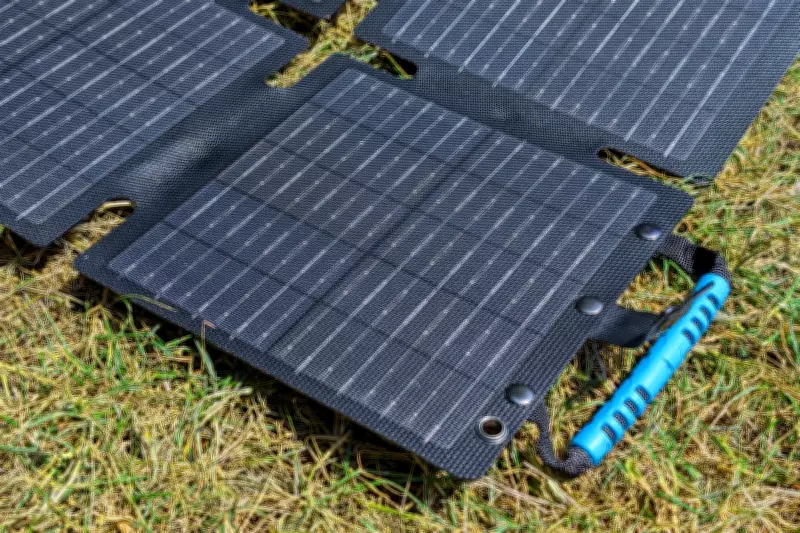
Plug-in solar panels represent some of the most straightforward technology available. The kits typically include one or more lightweight solar panels and a microinverter, with many models being foldable for easy storage when not in use. Crucially, these devices do not require professional installation. You can simply hang the panel on a sunny balcony, attach it to a garden fence, or prop it up on a patio, then plug it directly into a standard 3-pin wall socket.
The microinverter synchronises with your home's electrical grid, ensuring that your appliances automatically utilise the free, sun-generated power before drawing expensive electricity from your supplier. This concept is already popular in countries like Spain and Germany, where around half a million such devices are plugged in annually. Previously, UK wiring regulations effectively prohibited them without an electrician's sign-off, but the government's intervention has changed this landscape entirely.
How Much Will They Save You?
While a single plug-in panel will not take your house completely off the grid, it can substantially reduce your electricity usage by powering items such as your fridge, Wi-Fi router, and laptop during sunny periods. The government estimates that a typical UK household could save between £70 and £110 annually on energy bills. With an upfront cost of about £400, the panel is expected to pay for itself in roughly four years. Given that a quality solar panel has a lifespan of around 15 years, this translates to a decade of pure profit once the initial investment is recouped.
In comparison, a traditional rooftop solar array typically costs upwards of £6,000 and involves a lengthy payback period, highlighting the clear appeal of the plug-and-play model for budget-conscious consumers.
When and Where Can You Buy Them?
The Department for Energy Security and Net Zero has announced that the kits will be available within months, with brands like EcoFlow aiming to have stock ready for the summer season. Lidl has welcomed the regulatory changes, stating that the panels will make sustainable living affordable for everyone. Amazon is also confirmed to be part of the rollout, meaning you will soon be able to order a personal solar power plant with next-day delivery.
This announcement is part of a broader government push for clean energy, including the new Future Homes Standard, which mandates solar panels and heat pumps on new builds from 2028. For individuals with older properties or those renting flats with access to sunny outdoor spaces, plug-in solar panels significantly lower the barrier to entry. If you have £400 to spare and a south-facing railing, purchasing your own miniature power plant alongside your weekly groceries could be one of the smartest financial decisions you make this year.