Britain's Strategic Vulnerabilities Exposed Amid Global Tensions
The recent international conflicts have starkly illuminated Britain's strategic weaknesses, revealing troubling home truths about the nation's current state of readiness. One undeniable reality is the concerning condition of the Royal Navy, with reports indicating that approximately half of the already diminished fleet remains docked for maintenance or repairs, severely limiting operational capabilities at sea.
The Energy Security Dilemma
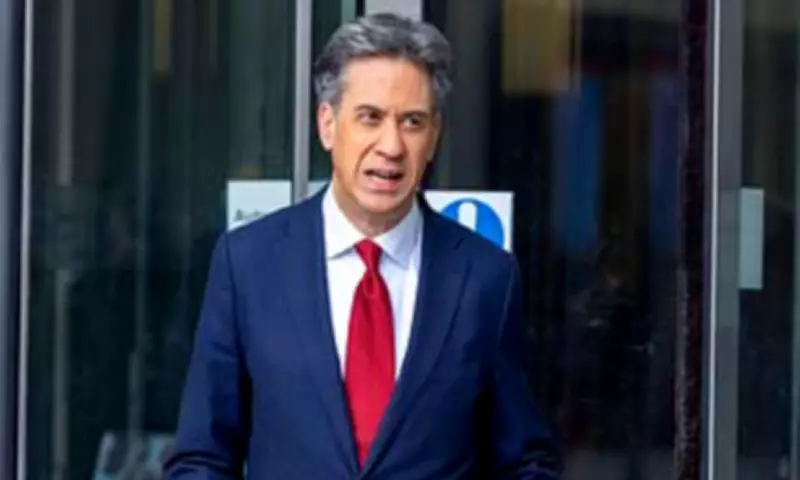
Simultaneously, Britain faces a critical energy security challenge in an increasingly volatile world. Successive governments bear responsibility for this precarious situation, but current Energy Secretary Ed Miliband's approach has drawn particular scrutiny for potentially exacerbating vulnerabilities.
Remarkably, Miliband has suggested that Middle Eastern instability actually validates his accelerated push toward net zero emissions, despite growing concerns about energy reliability and affordability. Critics argue his policies closely align with Green Party positions, creating what some describe as an ideologically driven approach to energy strategy.
The North Sea Drilling Debate
Miliband's recent statements have intensified the energy policy debate. On BBC programming, he emphasized that "we need homegrown clean power that we control" and advocated moving away from what he termed "the rollercoaster of fossil fuels." This position informs his refusal to grant additional North Sea drilling licenses, claiming such actions "would not take a penny off people's bills."
However, this perspective faces substantial opposition from multiple quarters. Both Labour leader Sir Keir Starmer and Shadow Chancellor Rachel Reeves have acknowledged in Parliament that millions of Britons will continue relying on gas and oil for the foreseeable future. With approximately 23 million gas boilers currently installed across Britain—many destined for replacement with newer, often more cost-effective gas models rather than heat pumps—the ongoing need for gas appears inevitable.
Economic and Security Implications
While global markets largely determine energy prices, increasing domestic North Sea production could enhance Britain's energy security significantly. Currently, only about one-third of Britain's gas originates from the North Sea. Expanding this proportion would reduce dependence on foreign suppliers and potentially lower costs associated with transporting liquefied natural gas.
The economic benefits extend beyond security considerations. Revitalizing North Sea extraction could generate thousands of British jobs, earning support from Unite, the trade union representing oil and gas workers. Additionally, increased domestic production would boost tax revenues, though critics note the current 78 percent tax rate may discourage company investment.
Policy Contradictions and Criticisms
Miliband faces accusations of hypocrisy for opposing domestic drilling while accepting oil imports from Norway—which supplies roughly half of Britain's needs—and tolerating gas shipments from America and Qatar, despite their substantial carbon footprints. Critics compare this to "giving up meat for Lent while consuming imported steak."
Further concerns arise from Britain's minimal gas storage capacity, reportedly sufficient for only two days compared to several weeks in many European nations. This leaves the country unnecessarily exposed to supply disruptions.
Calls for Balanced Energy Approach
Experts advocate for a more balanced energy strategy that acknowledges Britain's continued need for oil and gas while pursuing cleaner alternatives. Suggestions include expanding nuclear power—which even Miliband acknowledges has potential—and reconsidering North Sea development and fracking once safety concerns are adequately addressed.
Instead, critics argue Miliband is forcing the country toward excessive reliance on wind and solar power, despite Britain's irregular wind and sunshine patterns. Last year, the government paid approximately £1.5 billion to wind farms for turning off unneeded turbines and to gas plants for emergency power generation—funds that could have supported naval reconstruction.
Additionally, Britain imported about 16 percent of its electricity from Europe via interconnectors when domestic production proved insufficient, creating further dependence and expense.
Political Repercussions and Future Concerns
Electricity bills have increased by approximately £200 since Miliband assumed his role, with further rises anticipated unless international conflicts resolve quickly. Labour's election promise of £300 bill reductions remains unfulfilled, with critics blaming excessive net zero investments.
Political observers note tensions within Labour, with reports suggesting Foreign Secretary Yvette Cooper may align with Miliband, creating what some call a "nightmare ticket." Critics urge Starmer to reassign Miliband to prevent further damage to Britain's energy security and government popularity.
As global instability persists, the debate over Britain's energy future intensifies, highlighting fundamental questions about security, affordability, and strategic independence in an uncertain world.