Government Confronts Petrol Retailers Over Rising Fuel Prices
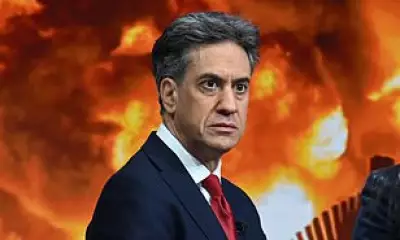
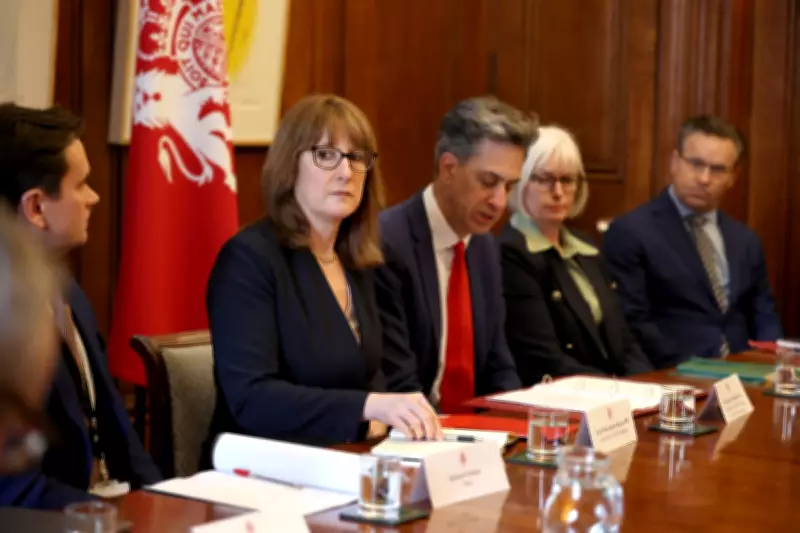
Chancellor Rachel Reeves and Energy Secretary Ed Miliband have issued a stern warning to petrol retailers, cautioning them against engaging in "unfair practices" as fuel prices escalate due to the ongoing Middle East crisis. The ministers convened a high-stakes meeting at 11 Downing Street with executives from major forecourt operators and energy firms, including Asda, BP, ExxonMobil, and Shell.
Shared Obligation to Protect Motorists
During the roundtable discussion, Chancellor Reeves emphasized the "shared obligation" between the government and industry to keep prices affordable for motorists. She expressed concerns about the high costs facing consumers and called for an "open and frank conversation" with petrol bosses. Energy Secretary Miliband reinforced this message, stating unequivocally that the government "will not tolerate unfair practices" in the sector.
The meeting followed threats from the Petrol Retailers Association (PRA) to boycott the gathering, citing "inflammatory language" from ministers that they claimed had led to abuse against forecourt workers. PRA executive director Gordon Balmer had raised concerns that government suggestions of "price gouging" and "ripping off" motorists were fueling public hostility toward staff.

Fuel Price Surge and Industry Response
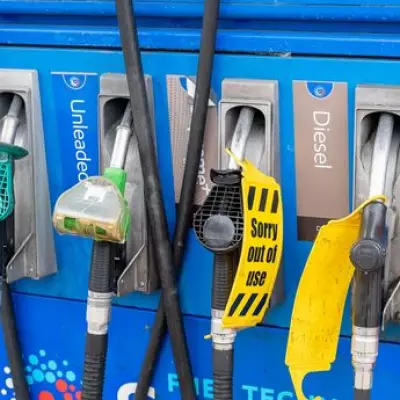
According to the RAC, the average price for a litre of unleaded petrol has increased by 8p since the start of the Middle East crisis, reaching 140.60p - the highest level in 18 months. Diesel prices have risen even more dramatically, climbing by 17p to 159.2p per litre. This means filling a typical family car now costs £4 to £9 more than just two weeks ago.
Following the meeting, Mr. Balmer described the discussions as "constructive" but noted that no apology was offered for the government's previous language. He confirmed that the PRA had agreed to participate after receiving assurances that much of the meeting would be held privately, allowing for a detailed explanation of how the fuel market operates.
Government Measures and Industry Commitments
An official summary of the meeting revealed that attendees "agreed to continue working in the shared interest of motorists" on the pressing issue. The Treasury confirmed that companies had committed to strengthening the Fuel Finder scheme, which enables consumers to compare pump prices and locate the cheapest petrol or diesel in their vicinity.
Chancellor Reeves has previously requested that the Competition and Markets Authority (CMA) "crack down" on what she termed "rip-off" fuel prices, aiming to prevent profiteering during the current period of high oil prices resulting from the Iran conflict. The CMA has since placed fuel retailers "on notice" regarding intensified monitoring of petrol and diesel prices.
Political Reactions and Broader Context
Opposition figures have criticized the government's approach, with Conservative leader Kemi Badenoch accusing Chancellor Reeves of engaging in "price gouging" herself through planned fuel duty increases. Badenoch called for the cancellation of what she described as a "stupid" planned 1p rise in fuel duty scheduled for September, arguing instead for increased North Sea drilling.
Prime Minister Sir Keir Starmer has stated that the government will keep the situation "under review" in light of the Middle East conflict. Meanwhile, motoring organizations including the AA have warned that motorists face "inevitable rising costs" due to global price hikes and have urged the Chancellor to delay the planned fuel duty increase.
Lord Richard Walker, Sir Keir Starmer's cost-of-living tsar and executive chairman of Iceland, commented: "Events in the Middle East are understandably creating concern, but the message from industry is that fuel supplies remain stable. People are worried about rising prices and fairness, and it's right that government and regulators take a hard line on any price gouging."
The government has also promised to intervene if companies engage in "unfair" practices affecting customers facing rising home heating oil prices, which fall outside Ofgem's energy price cap regulations.