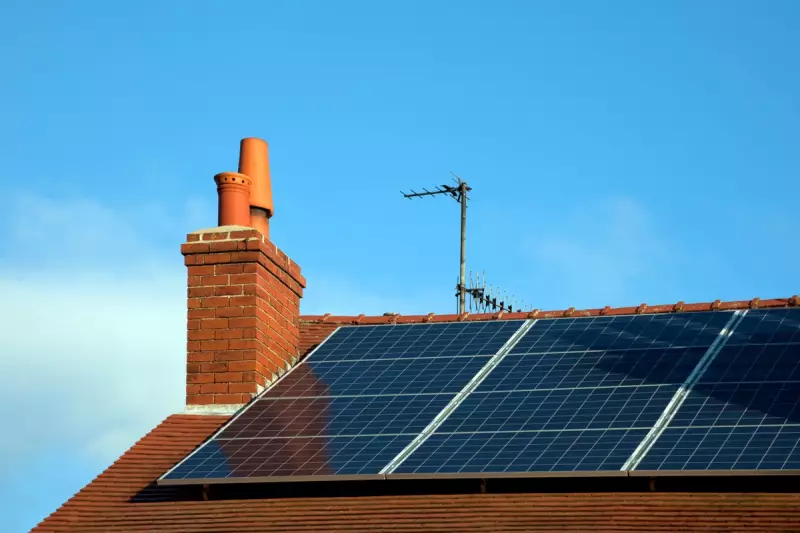
If you are considering investing in solar power for your home, choosing the right provider is crucial. Our in-depth review examines the offering from fast-growing energy giant Octopus, analysing costs, the installation process, and customer experience to help you decide.
Octopus Energy: From Supplier to Solar Installer
Founded in 2015, Octopus Energy has experienced a meteoric rise to become one of the UK's largest electricity and gas suppliers. Its expansion accelerated in 2023 with the acquisition of Shell Energy, growing its customer base to nearly a quarter of British households. By 2024, it had overtaken British Gas as the nation's biggest electricity supplier. Now, the company is leveraging its position to become a major player in domestic renewable technology, including solar panel installation.
Octopus entered the solar market in 2022, offering panels and fitting alongside its energy tariffs. The company stands out as a one-stop shop, capable of installing your panels, purchasing your excess solar power, charging your electric vehicle, fitting a heat pump, and supplying your gas and electricity.
Costs, Installation, and Key Specifications
For a typical installation, Octopus uses JA Solar panels, priced at approximately £177 per panel, each delivering up to 450 watts. The company provided a detailed quote for a standard three-bedroom home, which included:
- 12 x 450W JA Solar Panels: £2,124
- Labour: £2,700
- Fox ESS 5 kWh battery: £828
- Scaffolding: £1,000
- Total system cost: £8,951
Octopus estimates that with this setup, a customer could break even after around nine years, with potential savings exceeding £14,000 over 25 years. The firm offers a 2-year guarantee backed by the Home Insulation & Energy Systems (HIES) scheme and a 5-year workmanship warranty, with the panels themselves typically carrying a 25-year manufacturer's warranty. Installations are currently available in England and Wales, with a typical timeline of two to three months from inquiry to completion.
Savings, Grants, and What You Need to Know
Octopus claims that a combined solar and battery system can reduce a medium-use home's electricity bill by around 90%. They suggest typical households could save between £400 and £600 per year from solar panels alone, potentially earning up to £300 annually by exporting surplus power on tariffs like Octopus Flux.
Grants may be available for some households. The main scheme is the Energy Company Obligation (ECO), which can cover the full cost for eligible homes in England and Wales. Eligibility typically requires:
- A home with an EPC rating of E, F, or G.
- Being in private or social housing, or receiving means-tested benefits.
- A roof suitable for solar panels.
Other options include the Home Upgrade Grant (HUG) and the 0% VAT rate on residential solar installations, which lasts until April 2027. It is vital to check your eligibility and get a professional survey.
Pros of choosing Octopus include its status as a single supplier for multiple energy needs, fixed-price quotes, and its strong reputation as a Which? Recommended provider for eight consecutive years. However, there are cheaper specialist installers on the market, and Octopus's panel choice is somewhat limited.
Ultimately, Octopus Energy presents a compelling, integrated solution for homeowners seeking solar power from a well-established brand. While the payback period is significant, the potential for long-term savings and bill reduction is substantial, especially for those wanting to streamline their renewable energy journey.