Oil and Gas Markets Experience Extreme Volatility Amid Escalating Iran Conflict
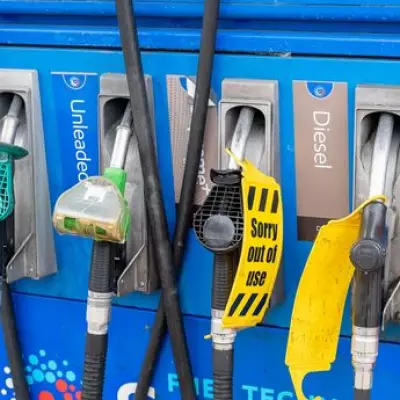
Oil and gas prices remained highly volatile throughout Friday, continuing a rollercoaster week of trading as global financial markets grappled with the escalating military conflict involving Iran. The uncertainty has created turbulent conditions across energy markets and stock indices worldwide.
Energy Prices Swing Dramatically
UK natural gas prices showed a slight easing during early Friday trading sessions, following an extraordinary surge on Thursday that saw prices jump more than twenty percent. At one stage during Thursday's trading, UK natural gas reached its highest price level in three years, reflecting intense market anxiety about supply disruptions.
Brent crude oil extended its gains yet again on Friday, climbing another two percent to approach $111 per barrel. This quick resumption of price increases came after an initial retreat earlier in the day, demonstrating the market's continued sensitivity to geopolitical developments. On Thursday, oil had surged as high as $119 per barrel before experiencing some pullback.

Stock Markets Erase Early Gains
Financial markets quickly erased early session gains as trading progressed on Friday. The FTSE 100 Index in London experienced significant see-sawing throughout the day, ultimately closing down 1.4% at 9,918 points. This marked a notable milestone as the blue-chip index fell below the 10,000-point threshold for the first time since exceeding it in early January.
The UK's benchmark share index had opened higher but stocks fell steadily as the trading session progressed. The decline reflected broader European market weakness, with Germany's Dax dropping 2.1% and France's Cac 40 closing the week 1.8% lower.
Geopolitical Triggers and Market Response
Thursday and Friday witnessed steep declines for stocks worldwide following specific military developments. Israeli strikes targeting energy infrastructure prompted Iranian attacks on Qatar, with Shell's important gas-to-liquid facility sustaining damage during the assault. This direct impact on energy infrastructure heightened market concerns about supply chain disruptions.
Market sentiment received a temporary boost late on Thursday following a statement from Israeli Prime Minister Benjamin Netanyahu. He indicated he would hold off on further attacks on Iran's gas fields at the request of US President Donald Trump, after Iranian retaliation had sent oil prices skyrocketing earlier in the week.
Expert Analysis and Outlook
Despite the temporary calming effect of Netanyahu's statement, experts warned that trading conditions would remain volatile as the conflict shows no signs of resolution. The military confrontation between the US, Israel, and Iran has now persisted for three weeks with continuing uncertainty about potential escalation or de-escalation.
Swissquote senior analyst Ipek Ozkardeskaya commented: "Despite a relatively calmer morning session, the uncertainty and the volatility will remain on the menu." This assessment reflects the broader market consensus that geopolitical risks will continue to drive price movements in the near term.
Saxo's experts added further perspective, noting: "Concerns remain that the impact of the conflict will be felt long after hostilities eventually subside." They elaborated on the specific economic consequences, stating: "The disruption has already led to an unprecedented supply shock, with producers across the Gulf collectively shutting in around 10 million barrels per day of output. This has intensified global inflation pressures while simultaneously raising concerns about slowing economic growth."
The combination of supply disruptions, inflationary pressures, and growth concerns creates a challenging environment for policymakers and investors alike. As the conflict continues without clear resolution, energy markets and financial indices are likely to experience continued volatility in the coming trading sessions.