Fears of a petrol shortage have triggered widespread panic across the United Kingdom, with drivers forming extensive queues at fuel stations in a desperate bid to fill up before the Easter getaway. New photographs have captured the alarming scale of the situation, showing long lines of vehicles snaking around forecourts as global oil prices surge due to the ongoing conflict in Iran.
Global Oil Prices Skyrocket Amid Middle East Conflict
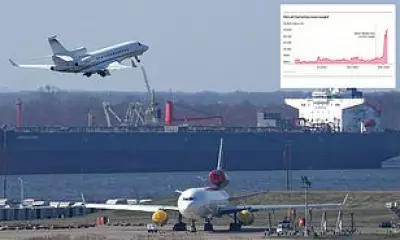
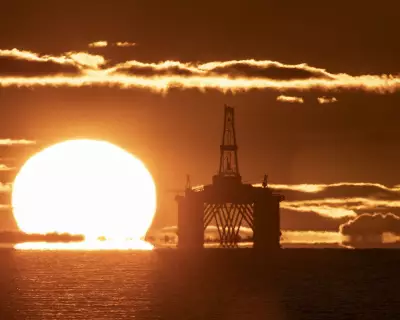
The Iran war, now entering its second month, has driven the price of crude oil to its highest level since the Covid-19 pandemic. Earlier today, the benchmark crude oil price briefly hit $119 (£90) per barrel. This sharp increase is primarily attributed to the closure of the Strait of Hormuz, a critical shipping artery in the Middle East that facilitates a significant portion of the world's oil exports.
In the United States, petrol prices have surpassed $4 (£3) per gallon for the first time in nearly four years. In the UK, the ripple effects have been equally severe, with petrol prices now averaging 152.8p per litre. This represents a staggering increase of 20p per litre since the war began, placing immense financial pressure on motorists and businesses alike.

Apocalyptic Scenes at UK Petrol Stations
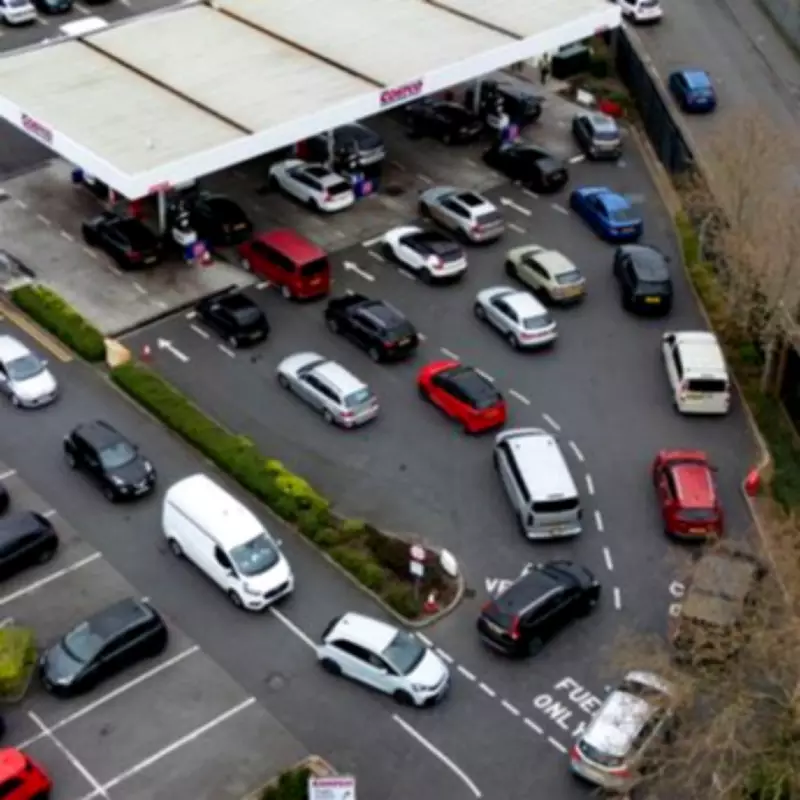
Aerial images from Costco in Bristol today revealed more than 50 vehicles queuing for fuel, with some observers describing the scenes as reminiscent of an apocalyptic film. Despite Costco's prices remaining below the national average, the panic has spread rapidly. Currently, the average price for diesel stands at 176.5p per litre, while petrol averages £148.8 per litre. Alarmingly, some pumps across the country are now advertising diesel for as much as 200p per litre.
The conflict has already led to reports of pumps running dry, with 'no fuel' signs appearing at some supermarket forecourts. This has exacerbated fears of a shortage, prompting a rush of panic buying among drivers. Authorities have issued calls for calm, urging motorists not to stockpile fuel and assuring the public that the UK's fuel supply remains robust despite the geopolitical pressures.
Financial Strain on UK Motorists
The rising fuel costs are having a tangible impact on household budgets. According to the RAC, filling up a typical family petrol car now costs an additional £10.55, while diesel car owners face an extra £21.35 per tank. For many, these increases are unsustainable.
Liam O'Brien, a scaffolder from Cambridge, spoke to the BBC about the financial burden. He estimates that the price surges are costing him an additional £400 per month. "Over three or four vans, it works out about an extra full tank's worth a week, so it is unacceptable," he said. "It's an extra £400 a month if we're filling up one tank a week. Everyone's trying to have a slice of the pie."
Government and Trade Bodies Respond
Despite the panic, trade bodies such as the RAC and government officials have maintained that the national fuel supply is healthy and capable of withstanding current challenges. Energy Secretary Ed Miliband emphasized the government's commitment to protecting families, stating, "We will continue to do everything in our power to protect families."
However, these assurances have done little to alleviate the concerns of drivers who are feeling the immediate pinch of soaring prices. The combination of geopolitical instability, supply chain disruptions, and seasonal travel demand has created a perfect storm, leading to unprecedented queues and anxiety at the pumps.
As the Easter weekend approaches, the situation remains fluid, with motorists advised to plan ahead and avoid unnecessary travel if possible. The ongoing conflict in Iran continues to cast a long shadow over global energy markets, and its impact on UK fuel prices and availability is likely to persist in the coming weeks.