Chancellor Reeves Develops Targeted Energy Support Plans as Iran Conflict Escalates
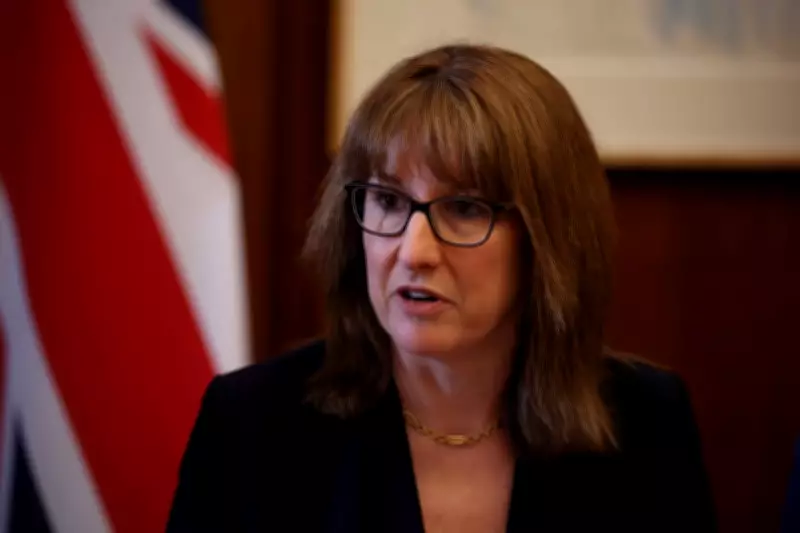
Chancellor of the Exchequer Rachel Reeves is actively formulating strategies to assist families grappling with escalating energy expenses, driven by the ongoing conflict in Iran. In a firm commitment, she has pledged to "take the necessary decisions to help families with the cost of living and protect the public finances", emphasising a disciplined approach to fiscal management amidst economic pressures.
Immediate Aid for Heating Oil Users and Future Gas/Electricity Considerations
Targeted support is set to be extended to households struggling with surging energy bills, a direct consequence of the Middle East crisis. Reeves indicated that assistance would be directed "to those who really need it", with a subsidy package for approximately 1.5 million households reliant on heating oil—which falls outside the energy price cap—anticipated to be unveiled next week. This move addresses a critical gap, as heating oil prices have doubled per litre since the conflict began.
For gas and electricity bills, which are currently shielded by Ofgem's price cap until June, there is a temporary reprieve. However, analysts at Cornwall Insight warn that if the conflict persists and Iran maintains its blockade on shipping through the Strait of Hormuz, households could face a dramatic 10% increase in bills from July. This would elevate the typical dual fuel household's annual cost to £1,801, marking a £160 rise.

Fiscal Caution and Strategic Planning
In an interview with The Times, Reeves outlined the government's cautious stance, noting that the Treasury's Iran response board is evaluating various targeted options. She stressed the importance of fiscal discipline, particularly given the high national debt inherited, and downplayed the likelihood of a blanket energy bailout similar to the £35 billion package deployed during the Ukraine crisis. "It is important even when there is an economic shock — or perhaps particularly when there’s an economic shock — that you continue to be disciplined about your use of public money," she asserted.
Broader Context of the Iran Conflict and Economic Ripples
The geopolitical situation remains volatile, with significant developments impacting global energy markets:
- US President Donald Trump announced the obliteration of military targets on Kharg Island, a key component of Iran's oil economy, and threatened further destruction if shipping through the Strait of Hormuz is impeded.
- The US has deployed 2,500 marines and an amphibious assault ship to the Middle East, signalling a potential escalation.
- Reports from the Joint Maritime Information Centre indicate at least 20 incidents involving shipping and offshore infrastructure in the region since March 1.
- The Strait of Hormuz, typically traversed by 138 ships daily, has seen traffic plummet to about five vessels due to security threats, exacerbating supply chain disruptions.
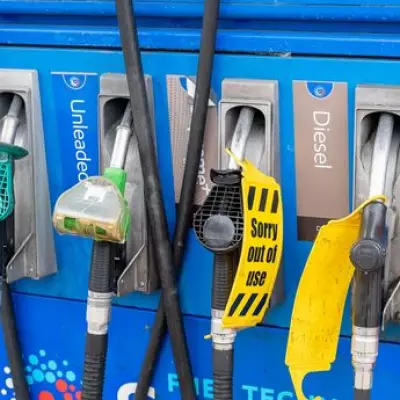
This instability has fuelled volatility in oil and gas prices, directly translating into higher fuel bills and increased household energy costs. Official figures revealing stagnant economic growth in January have heightened fears that these pressures could push the UK economy into recession.
Government and Opposition Responses
A Government spokesman reiterated the commitment to supporting families, highlighting existing measures such as the extended 5p fuel duty cut, the expanded Warm Homes Discount providing £150 off energy bills for six million households, and the energy price cap offering protection for the next three months. Meanwhile, Tory leader Kemi Badenoch has called for the cancellation of a planned fuel duty increase in September, labelling it "stupid", and advocated for renewed drilling in the North Sea to bolster domestic energy security.
As the crisis unfolds, Reeves and Energy Secretary Ed Miliband have engaged with oil firm executives and forecourt operators to address rising fuel bills, underscoring the government's proactive stance in mitigating the cost of living impact while navigating complex fiscal constraints.