Chancellor Rachel Reeves Announces Targeted Support for Households Struggling with Energy Costs
Chancellor Rachel Reeves has pledged to provide targeted financial assistance to households grappling with escalating energy bills, a direct consequence of the deepening Middle East crisis. The announcement comes as a package of support for those reliant on heating oil, a fuel not covered by the energy price cap, is anticipated to be unveiled next week.
Immediate Relief for Heating Oil Users
Approximately 1.5 million households currently using heating oil are facing severe cost increases, with the price per litre having doubled since the onset of the conflict between the US and Iran. In an interview with The Times, Ms Reeves confirmed that funding has been secured for this initiative. "I have found the money and we’ve worked through with MPs and others a response for people who are not protected by the energy price cap," she stated. "We’re giving greater support to those who really need it."
Gas and Electricity Bills Under Scrutiny
While gas and electricity bills are shielded by Ofgem’s price cap until June, analysts warn of potential "dramatic hikes" thereafter if the conflict persists and Iran maintains its grip on shipping through the Strait of Hormuz. Cornwall Insight forecasts a 10 per cent rise in household energy bills from July, pushing the typical dual fuel household's annual cost to £1,801 – an increase of £160 on April’s cap.

The Chancellor indicated that more time is available to formulate a plan for gas and electricity, thanks to the existing price cap. She told The Times: "We’ve got some time, and we are working through in the Iran response board (a group of Treasury ministers and officials) different approaches that we could take, including looking at more targeted options." Ms Reeves expressed concern over the nation's "high debt" and played down the likelihood of a broad energy bailout, similar to the £35 billion package following Russia’s invasion of Ukraine. "It is important even when there is an economic shock — or perhaps particularly when there’s an economic shock — that you continue to be disciplined about your use of public money," she added.
Escalating Middle East Crisis Fuels Global Energy Volatility
The wider Middle East crisis continues to escalate, with significant implications for global energy markets. US president Donald Trump claimed military targets on Kharg Island, a crucial part of Iran’s oil economy, had been "totally obliterated" by "one of the most powerful bombing raids in the history of the Middle East." He further threatened to "wipe out" the island's oil infrastructure should Tehran impede shipping through the Strait of Hormuz. The US has deployed 2,500 marines and an amphibious assault ship to the region, while an airstrike in Baghdad killed at least one person, and a missile struck the US Embassy helipad.
The Joint Maritime Information Centre has reported at least 20 incidents involving shipping and offshore infrastructure in the Arabian Gulf, Strait of Hormuz, and Gulf of Oman since March 1. The Strait, a vital artery for oil and gas, has seen traffic plummet from 138 to approximately five ships daily due to attack threats.
Economic Impact and Government Response
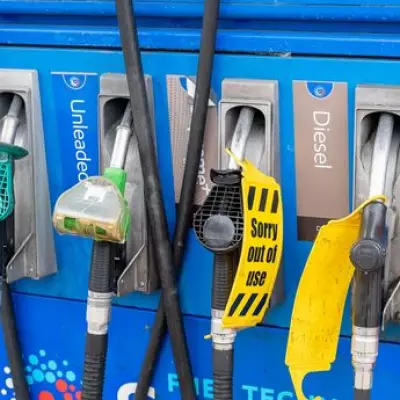
These geopolitical tensions have fuelled volatility in oil and gas prices, contributing to higher fuel bills and the risk of increased household energy costs across the UK. Official figures revealed economic growth flatlined in January, heightening fears that soaring fuel and energy prices, attributed to US-Israel attacks on Iran, could tip the struggling UK economy into recession.
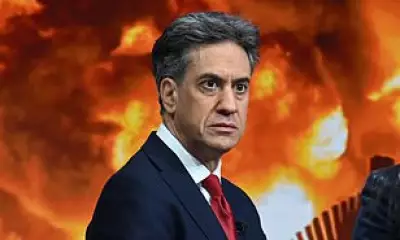
In response to rising fuel costs, Ms Reeves and Energy Secretary Ed Miliband convened a meeting with oil firm bosses and forecourt operators in Downing Street on Friday. A government spokesman acknowledged public concern over the impact of global conflicts on the cost of living, stating: "While it is too soon to know the full impact of this crisis, as the Chancellor said, she will take the necessary decisions to help families with the cost of living and protect the public finances." The spokesman highlighted existing measures, including:

- The extended 5p fuel duty cut
- The expanded Warm Homes Discount
- The energy price cap, which is set to reduce bills by £117
Political Opposition and Alternative Proposals
Meanwhile, Tory leader Kemi Badenoch urged the Chancellor to scrap September’s "stupid" planned increase in fuel duty, calling it "the last thing we need," and advocated for increased North Sea drilling as a long-term solution to energy security and cost pressures. This political divide underscores the contentious nature of energy policy amid the ongoing crisis, with debates intensifying over the best approach to shield consumers from financial strain while maintaining fiscal discipline.