Soft Prepping Surges as Iran Conflict Fuels Household Preparedness Fears
Soft Prepping Surges Amid Iran War and Fuel Price Fears

Soft Prepping Surges as Iran Conflict Fuels Household Preparedness Fears

As conflict in the Middle East escalates, driving fuel prices to new heights and amplifying security anxieties, a quiet movement is gaining momentum across British households. Experts are now advocating that every family should be equipped to survive independently for a minimum of two weeks, a recommendation that is resonating with a growing number of citizens embracing "soft prepping."

The Pragmatic Approach to Preparedness

Liz Blackshaw, a Labour councillor from Mountsorrel, Leicestershire, embodies this pragmatic shift. "I've bought a couple of power banks that also double up as flashlights so we can see where we're going," she explains. "We're a family full of food intolerances, so I've been stocking up on gluten-free pasta and some snacks. It's enough to see us through a couple of weeks."

Blackshaw, who lives with her husband and two teenage daughters, does not identify as a traditional "prepper" with bunkers or month-long supplies. However, she believes in sensible preparation for unforeseen events, especially given the war in Iran and its ripple effects. "I'm aware the war can cause problems," she says, noting that heating oil prices have doubled in a week. "I think you have to be pragmatic. The old adage of failing to prepare is being prepared to fail."

Wide Pickt banner — collaborative shopping lists app for Telegram, phone mockup with grocery list

Her journey into soft prepping began earlier this year after seeing a National Grid post about potential power outages. This prompted her to purchase spare power banks, crucial for her elderly mother who relies on a mobile phone without a landline. "I need to be confident she can see if all power goes, as she has osteoporosis," Blackshaw adds, highlighting the personal stakes involved.

Expert Warnings and Government Guidance

The possibility of prolonged disruptions is not merely speculative. In 2024, a global Windows glitch crippled infrastructure, grounding flights and taking TV channels offline. Last year, Spain and Portugal endured a 10-hour blackout due to a power surge. In response, the UK government has issued a preparedness plan, advising citizens to have non-digital alternatives, power banks, torches, and sufficient food and water for several days.

Professor Ilan Kelman of UCL, an expert in disasters and health, argues for even more robust preparation. "If there's a national power outage due to a solar storm, it could take two weeks or longer to restore transformers," he warns. "If there's a nuclear conventional attack, the government will be distracted, and the priority cannot and should not be prioritising individuals."

He acknowledges the financial barriers posed by the cost of living crisis but urges those who can to stockpile essentials. "Running out of gas is not an issue if you're ready. Having lorries off the road so supermarkets aren't getting food supplies isn't an issue if you're ready," Kelman emphasises.

Everyday Brits Taking Action

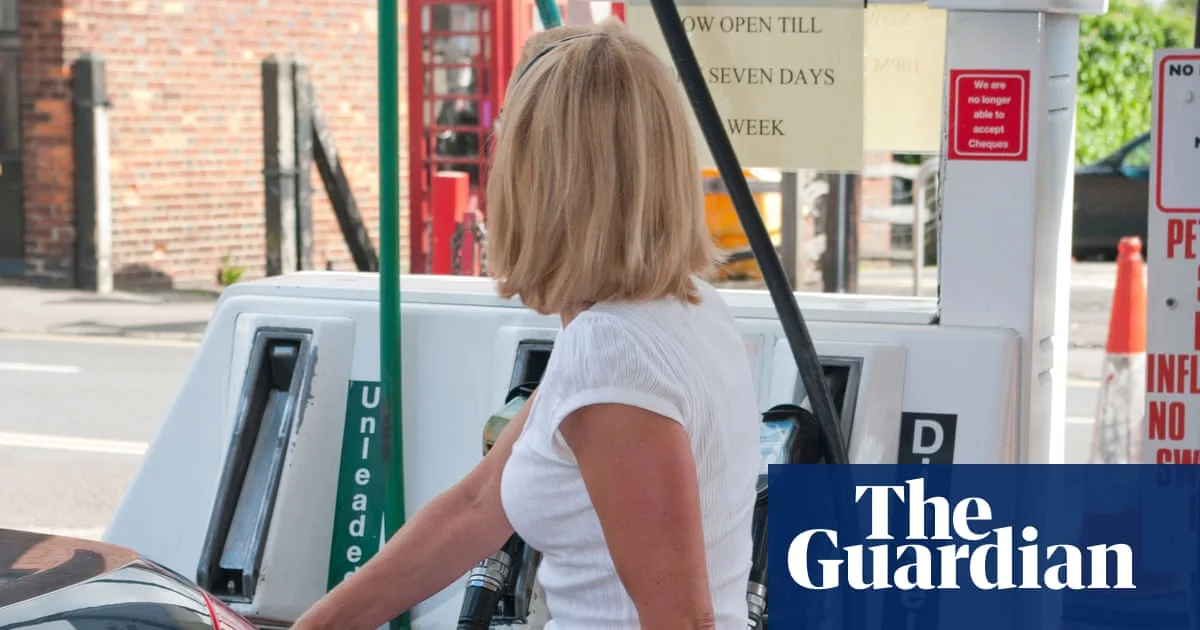
The surge in fuel prices, exacerbated by recent strikes on Iran, has practical implications. The AA has advised drivers to halt non-essential journeys, a move foreseen by Blackshaw, who filled her car with diesel immediately after the first strikes. "It was obvious the price would rocket," she recalls.

Ema Brown, a 37-year-old makeup artist from Nottinghamshire, was inspired by a TikTok video questioning survival during a blackout. "I panicked and thought absolutely not," she admits. Now, she maintains a "just-in-case box" with torches, backup batteries, wind-up radios, and solar chargers, alongside two weeks' worth of food and water for her family. "What's going on feels scary at the minute," Brown says. "I'd much rather be semi-preparing than not at all."

Leigh Price, owner of The Bug Out prepping store in Wales, reports a noticeable uptick in business since the conflict began. "You do get a lot of first-timers when there's something going on in the world," he observes. He advises beginners to start simply: buy extra tins weekly and invest in basics like camping stoves and torches. "It's not rocket science; it's common sense. Prepping is like an insurance policy on your way of life," Price explains.

Pickt after-article banner — collaborative shopping lists app with family illustration

The Financial and Psychological Dimensions

For some, soft prepping is a financial challenge. Mark, a 53-year-old business owner near Cheltenham, notes the strain despite his higher income. "I recently bought more oil, but because of the prices, I spent £1,500 for oil I would normally buy for £500," he reveals. Inspired by the Covid pandemic's supply chain issues, he has invested in log burners, stocked freezer, and wind-up gadgets. "Instagram does portray a lot of scaremongering tactics," he acknowledges, "but maybe it is good to just be a little bit prepared. Things do feel really uncertain now."

As fuel costs escalate and global tensions simmer, the trend of soft prepping reflects a broader societal shift towards self-sufficiency. Whether driven by fear, pragmatism, or a blend of both, households across the UK are quietly ensuring they can weather potential storms, one power bank and tin of food at a time.