Attacks on South Pars Gas Field Signal Major Escalation in Middle East Conflict
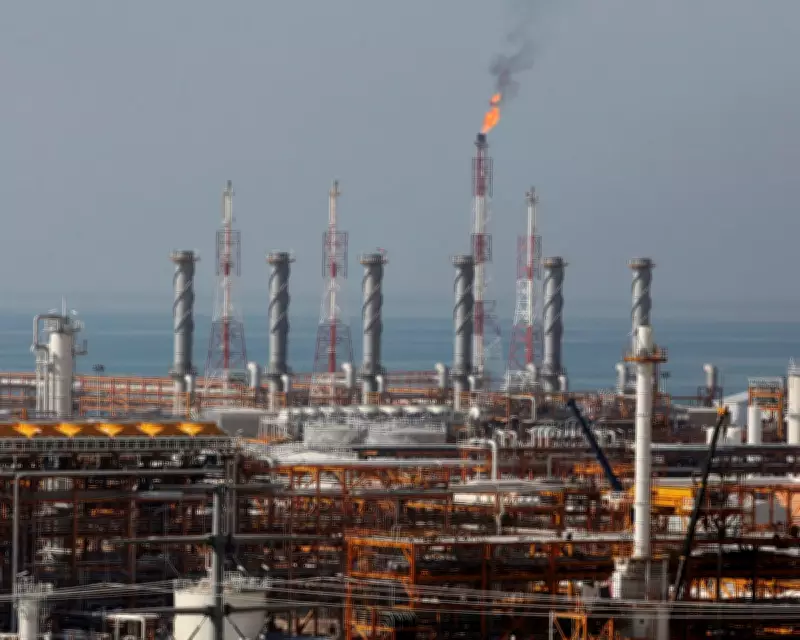
Recent assaults on the South Pars gas field, a critical energy asset in the Middle East, have been identified as a major escalation in the ongoing regional conflict. These attacks threaten not only local stability but also global energy markets, raising concerns about potential disruptions to natural gas supplies.
Impact on Global Energy Markets
The South Pars gas field is one of the world's largest natural gas reserves, and any damage or disruption to its operations could have far-reaching consequences. Global energy prices are already volatile, and these attacks could exacerbate market instability, leading to increased costs for consumers and businesses worldwide.
Experts warn that the escalation could trigger a broader conflict, involving multiple state and non-state actors in the region. The strategic importance of South Pars makes it a prime target, and further attacks could undermine diplomatic efforts to de-escalate tensions.

Regional Security Concerns
The attacks have heightened security concerns across the Middle East, with nations increasing their military presence in the area. Key points include:
- Increased patrols and surveillance around critical infrastructure.
- Diplomatic talks aimed at preventing further escalations.
- Potential retaliatory measures from affected parties.
These developments underscore the fragile nature of regional peace and the need for coordinated international responses to mitigate risks.
Future Implications and Responses
Looking ahead, the situation at South Pars could influence global energy policies and security strategies. Governments and energy companies are likely to reassess their reliance on Middle Eastern gas, exploring alternatives such as renewables or other suppliers. Immediate responses include enhanced security measures and diplomatic initiatives to stabilize the region and protect vital energy assets.
In summary, the attacks on the South Pars gas field represent a critical turning point in the Middle East conflict, with implications for global stability and energy security. Continued monitoring and proactive measures are essential to prevent further escalation.