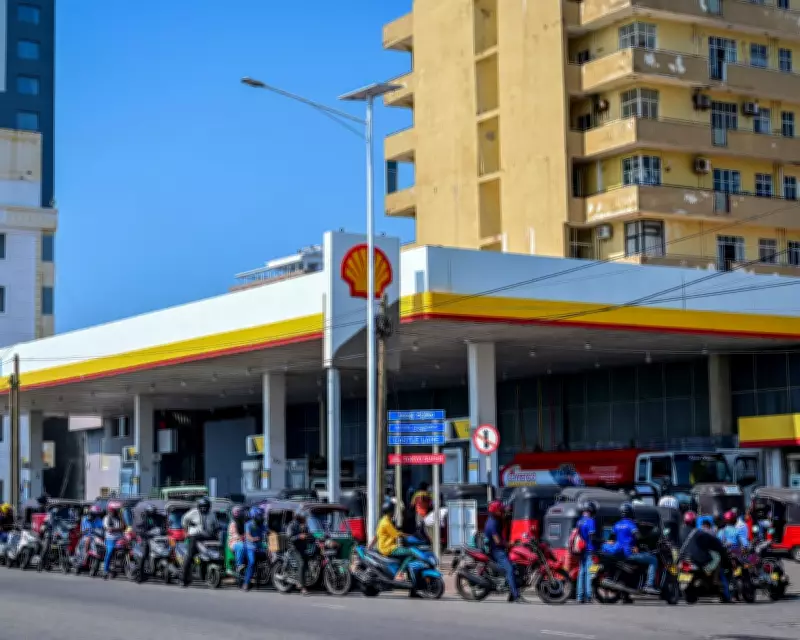
Sri Lanka Implements Four-Day Week to Mitigate Fuel Shortages
Sri Lanka has announced a shift to a four-day working week in an effort to preserve its dwindling stocks of oil and gas, as the ongoing conflict in the Middle East severely disrupts energy supplies across South Asia. The move comes amid widespread fuel shortages that are impacting countries including Bangladesh, India, and Pakistan, all of which have implemented emergency measures to cope with the crisis.
Regional Impact of the Strait of Hormuz Blockade
The strait of Hormuz, a vital shipping route for oil and gas imports in South Asia, has been effectively closed for two weeks due to an Iranian blockade. This blockade is a retaliatory action against US and Israeli military strikes on Iran. Most nations in the region rely heavily on imports for their fuel and gas needs, with many warning that reserves are sufficient for only a few more weeks of normal operation.
In Bangladesh, concerns over fuel shortages have led to the declaration of early Ramadan holidays for universities to conserve energy, alongside scheduled power blackouts. The country's garment industry, a cornerstone of its economy, is particularly vulnerable to disruptions in energy supply.

Pakistan, which sources 85% of its energy through the strait of Hormuz, has transitioned schools to online teaching and increased fuel prices to deter hoarding. Similarly, India is experiencing long queues for LPG gas canisters, with restaurants removing slow-cooking dishes from menus and hotels threatening closures.
Sri Lanka's Emergency Measures and Economic Concerns
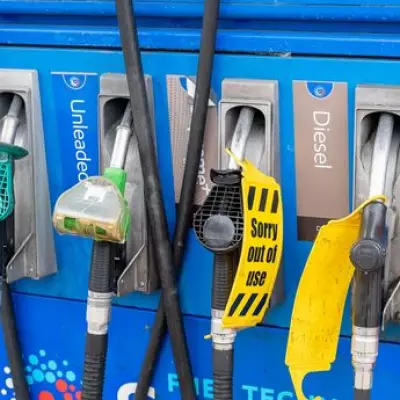
In Sri Lanka, fuel rationing began on Sunday, limiting motorists to 15 litres of petrol or diesel per week and allocating up to 200 litres for public transport. Prabath Chandrakeerthi, commissioner general of essential services, stated that state institutions, schools, and universities will operate on a four-day schedule starting Wednesday, with civil servants encouraged to work from home where possible. The private sector is being urged to adopt similar measures.
Officials estimate that current petrol and diesel reserves will last nearly six weeks, but warn that any further disruption to supplies could have severe consequences. Essential services such as hospitals, ports, and emergency operations will continue unaffected. President Anura Kumara Dissanayake emphasized the need to prepare for worst-case scenarios while hoping for the best, highlighting concerns that a prolonged Middle East conflict could undermine Sri Lanka's recovery from its 2022 economic crisis.
Diplomatic Efforts and Future Outlook
India has reported some diplomatic success, with two tankers carrying critical gas supplies navigating through the strait of Hormuz after direct negotiations with Iran. Foreign Minister Subrahmanyam Jaishankar noted that these efforts have yielded positive results, potentially easing distribution challenges. Prime Minister Narendra Modi has sought to reassure the public, denying any LPG shortage and urging calm.
As the situation evolves, South Asian nations are closely monitoring developments in the Middle East, with the safe passage of energy shipments through the strait of Hormuz remaining a critical factor for regional stability and economic resilience.