Trump's Iran Conflict Sparks Worldwide Energy and Economic Turmoil
The economic repercussions of Donald Trump's military engagement in Iran are now reverberating across the globe, with financial analysts issuing stark warnings about escalating energy costs driving inflation and increasing household expenses. Experts indicate that numerous nations are especially susceptible to the fallout from this geopolitical strife.
Trump Dismisses Economic Impact as "Small Price" for Regime Change
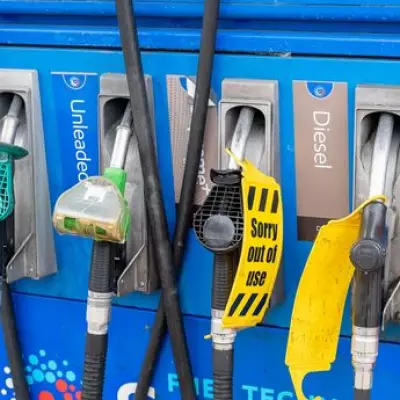
Donald Trump has publicly asserted that the economic consequences of his war in Iran represent "a very small price to pay" for removing the Iranian regime and halting its nuclear ambitions. However, this perspective is not shared by the multitude of countries currently contending with skyrocketing energy prices due to the blockade of the Strait of Hormuz. In recent weeks, Sri Lanka has implemented a four-day working week, while the International Energy Agency has recommended that people worldwide work from home to conserve fuel amidst the conflict-induced shortages.
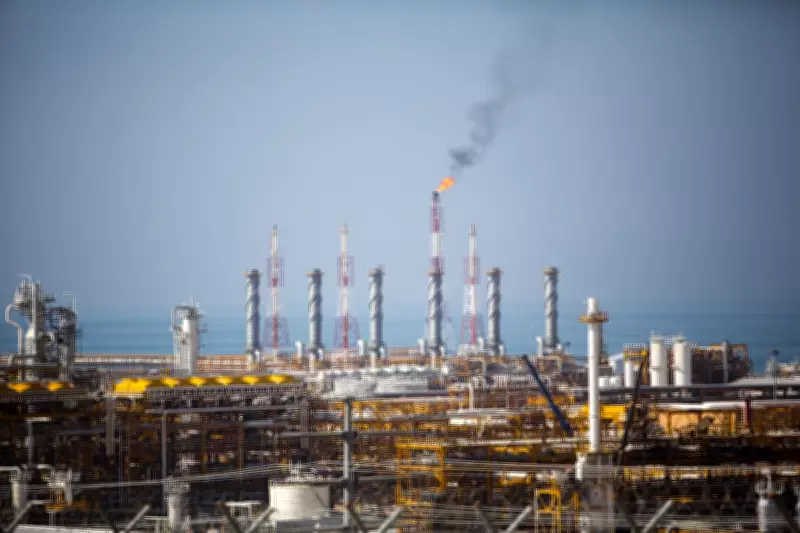
The flow of oil from the Middle East has dwindled to a trickle as the Strait of Hormuz remains under Iranian control, with a significantly reduced number of vessels transiting through since late February. The situation worsened after Tehran targeted multiple oil production facilities in Gulf states in retaliation for Israeli strikes on its crucial South Pars gas field.

Brent Crude Prices Skyrocket Amid Prolonged Conflict
With no resolution to the Iran war in sight, specialists are already cautioning about an impending cost-of-living crisis. In the United Kingdom, household bills could surge by as much as £300 starting this summer, potentially returning the nation to the inflationary shock experienced after the Ukraine war. Dr. Adi Imsirovic, a lecturer in energy systems at the University of Oxford, explains, "Traders are desperately seeking any indication of conflict resolution, but none is forthcoming. I doubt the US administration fully comprehends that the actual cost of oil reaching refineries and end consumers is substantially higher than market indicators suggest."
The price of Brent Crude, the global oil benchmark, has surged over 60 percent since the war commenced. When markets closed on February 27, it traded around $71 per barrel. By mid-March, prices briefly peaked at $119 per barrel, reaching heights not seen since the early months of the Ukraine conflict.
Asian Nations Face Severe Economic Vulnerability
Asia is exceptionally reliant on the Strait of Hormuz, which facilitates approximately 80–84 percent of global crude oil flows and over 80 percent of Liquefied Natural Gas transit, according to Dr. Umud Shokri, an energy strategist and senior visiting fellow at George Mason University. However, Dr. Shokri notes that not all countries will be equally affected. "The impact severity depends on two primary factors: the proportion of oil imported from the Middle East and the availability of alternative reserves," he states.
China, the largest importer, previously received virtually all Iranian oil and continues to receive sanctioned resources via tankers exiting the strait. Dr. Imsirovic observes, "China has diligently diversified its supply chains, becoming a major purchaser of South American, Russian, and West African oil. Their financial strength has enabled them to accumulate substantial reserves."
Nations like Japan and South Korea remain "hugely exposed" but possess "fairly large reserves" that may cushion them from the severe shocks anticipated in South Asia.
Countries Most Severely Impacted by the Middle East Oil Crisis
India accounts for 14.7 percent of imports dependent on the Strait of Hormuz, with cooking gas being particularly vulnerable. Dr. Shokri warns, "Over 60 percent of Liquefied Petroleum Gas demand is met through imports, making cooking fuel especially susceptible. Persistent disruptions could lead to reduced energy access, rising costs, and increased reliance on inferior fuels like biomass or kerosene. This would elevate living expenses, create health hazards for lower-income groups, and strain public services." Electric induction cooktops have become highly sought-after in India, with many models sold out on platforms like Amazon and Flipkart as households seek alternatives.

Sri Lanka has approximately six weeks of fuel reserves remaining, heavily relying on gas and oil imports. Authorities have instituted a four-day working week and strict fuel rationing to conserve dwindling supplies. Prabath Chandrakeerthi, commissioner of essential services, announced that all state institutions, schools, and universities would adopt the shortened work week, urging private sector compliance. A viral video depicted a man in Sri Lanka carrying a scooter on his lap while riding another scooter in search of fuel.
Pakistan sources roughly 85 percent of its energy from the Strait of Hormuz, according to Dr. Shokri. The country has already implemented remote work policies and fuel-saving measures. Prime Minister Shehbaz Sharif declared school closures for two weeks, with universities shifting to online classes. Government departments will face a 50 percent reduction in fuel allowances, public offices will operate only four days weekly, and half of government employees will work remotely.
Bangladesh is approximately 95 percent dependent on oil imports, with around 20 days of reserves. Key suppliers include Saudi Arabia and Qatar. The nation has imposed fuel caps and deployed troops to prevent hoarding. Prime Minister Tarique Rahman is reportedly seeking about $2 billion in loans from multilateral lenders by June to finance liquefied natural gas and other fuel imports during summer, including $1.3 billion from the International Monetary Fund and $700 million from the Asian Development Bank.
United Kingdom's Exposure to the Energy Crisis
While the UK is less dependent on Middle Eastern oil—importing primarily from the North Sea and the US—it relies on jet fuel and diesel imports from the region, especially from Kuwait, where two refineries were damaged in Iranian attacks. The UK's dependence on imported Liquefied Natural Gas presents a more significant challenge than oil, according to Dr. Imsirovic. Although most UK gas originates from Norway and the United States, some comes from Qatar. "The issue is that international market prices are escalating," he notes. "While heating season may be concluding, the UK typically begins building European reserves by June, and current reserves are extremely limited."