Energy Bills Set to Soar by £250 Annually Amid Unprecedented Supply Shock
Suppliers have issued a stark warning that gas and electricity bills could surge by up to £250 per year, driven by the most significant supply shock ever recorded in global energy markets. This alarming forecast comes as the conflict in Iran continues to disrupt oil and gas supplies, exacerbating pressures on household finances across the United Kingdom.
Government Scrutinises Every Penny on Bills
Energy Minister Michael Shanks has pledged that "every penny" charged to household energy bills will undergo rigorous scrutiny. However, he emphasised that the government will not be hurried into implementing plans to reduce costs or provide direct financial assistance to consumers. Shanks told MPs that while support is available where necessary, a measured approach is essential to avoid hasty decisions.
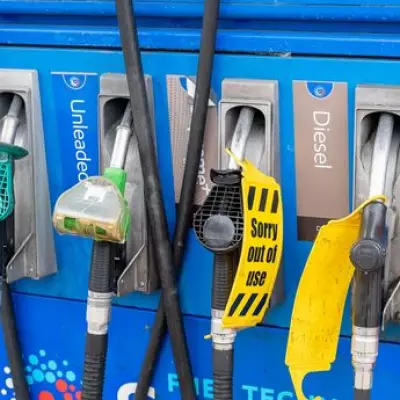
The government faces mounting pressure to shield energy bill payers from skyrocketing market prices, as the Gulf crisis triggers a 40% increase in Europe's gas prices within just three weeks. Motorists are already feeling the pinch, with petrol prices rising by 10p to over 142p per litre and diesel climbing 20p to more than 162p per litre.

Call for Vaccine-Style Taskforce
In response to the looming crisis, the UK's largest energy trade association, Energy UK, has urged the government to establish a "vaccine-style taskforce" immediately. This initiative aims to address potential cost hikes and ensure that any support is targeted effectively at those most in need. Dhara Vyas, Chief Executive of Energy UK, stated, "It is still too early to tell how significant an impact the conflict in the Middle East will have on British energy bills – but it is clearly sensible to prepare and ensure any intervention that might be necessary is both cost-effective and directed to help those who most need it."
Energy UK highlighted that if financial aid had been focused solely on low- and lower-middle-income households during the 2022 gas crisis, the cost would have been approximately £12.5 billion—almost a third of the £35 billion spent on universal support, which was criticised for benefiting wealthy consumers unnecessarily.
Record Energy Debts and Future Risks
Currently, UK households are protected by the government's energy price cap until July, but when recalculated based on higher market prices, bills are expected to rise sharply. This increase threatens to worsen the record energy debt levels, which reached £4.4 billion in June last year—a £750 million annual rise. These debts are partially offset by a £52 annual charge included in the energy price cap, paid by other bill payers.
The Public Accounts Committee warned last March that British consumers remain vulnerable to another energy crisis, facing "worryingly high" debts and some of the highest electricity costs globally. Ministers have been criticised for not implementing adequate safeguards to protect vulnerable households or permanently lower costs for all.
Earlier this year, the Chancellor promised a £150 reduction in energy bills by shifting green energy costs to general taxation and scrapping an energy efficiency scheme. However, these savings have been eroded by rising costs associated with maintaining the UK's energy grids.
As the situation unfolds, the government's approach to balancing scrutiny with timely support will be crucial in mitigating the financial strain on millions of households across the nation.