Government Urged to Cut VAT on Public EV Charging Amid Fuel Duty Pressure
Ministers are facing mounting calls to slash VAT on public electric vehicle charging from 20% to 5% if fuel duty is frozen, as campaigners warn drivers without driveways are being unfairly penalised in the transition to greener transport.
Disparity in Charging Costs Highlights Tax Inequity
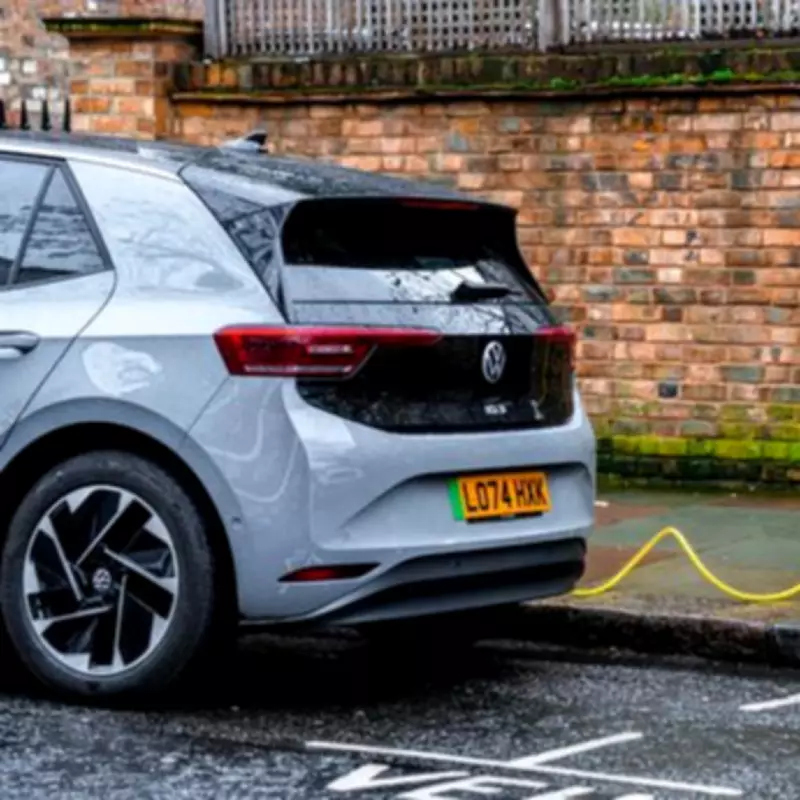
Electric vehicle advocates argue that any move to delay the planned fuel duty increase this September must be accompanied by a reduction in VAT on electricity purchased at public EV charging points. This would align it with the 5% rate applied to domestic charging, addressing a significant cost gap that disadvantages those unable to charge at home.
Ginny Buckley, CEO of electric car advice site Electrifying.com, highlighted the stark contrast in running costs. "While home charging an EV can cost as little as 2p per mile, those reliant on public chargers pay closer to 18p per mile, which is more than running a petrol car," she told the Press Association. Tax is cited as a major reason for this discrepancy, with Buckley emphasising the fundamental unfairness faced by drivers lacking home charging access.

Impact of Middle East Conflict on Energy Prices
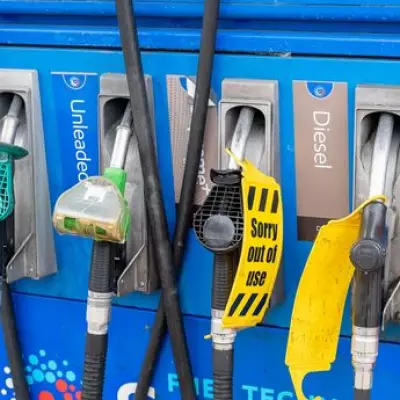
The surge in petrol station prices, driven by skyrocketing oil costs due to tensions in the Middle East, has intensified demands for a fuel duty freeze. However, EV proponents stress that protection must extend to electric vehicle users, particularly those exposed to public charging costs.
Ben Nelmes, chief executive of transport think tank New Automotive, expressed concern that many EV drivers are vulnerable to rising energy costs triggered by geopolitical tensions. "Those relying on public charging points miss out on the electricity price cap protection available to home chargers," he noted, adding that with 1.8 million EV drivers now on UK roads, this is no longer a niche issue.
Calls for Policy Alignment with EV Transition
Delvin Lane, chief executive of InstaVolt, Britain's largest ultra-rapid EV charging operator, argued that tax policy needs to keep pace with the rapid growth of the UK charging network. "Reducing VAT on public charging would immediately improve fairness and support more drivers making the switch," he stated, underscoring the need for equitable measures to encourage electric vehicle adoption.
The backdrop to these calls includes Chancellor Rachel Reeves' November 2025 budget announcement, which maintained the 5p-per-litre fuel duty reduction only until August 2026, with rates then gradually returning to March 2022 levels over five years. With petrol and diesel prices rising sharply since the Middle East crisis erupted, pressure is mounting for a freeze, but campaigners insist any such decision must include tax relief for public EV charging to ensure a balanced approach to transport policy.