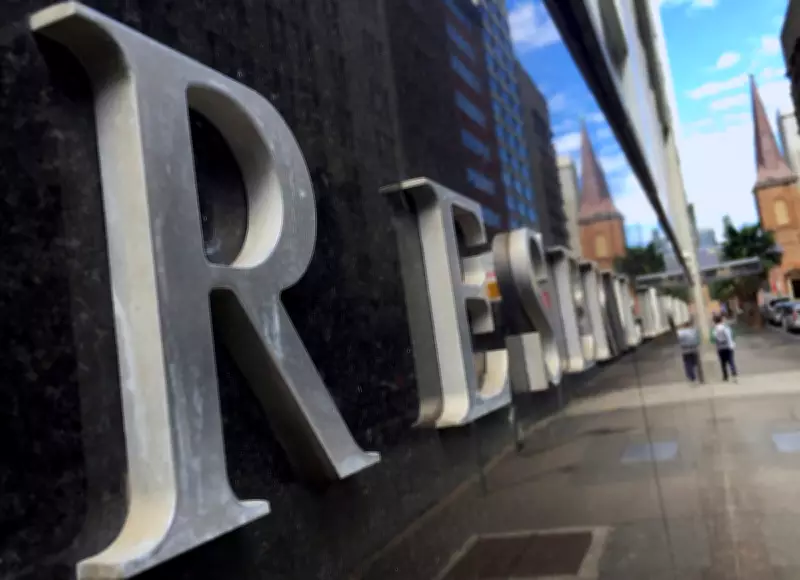
Reserve Bank of Australia Maintains Interest Rate Hold Amid Persistent Inflation
The Reserve Bank of Australia (RBA) has announced its decision to keep the official cash rate unchanged, a move that underscores the central bank's cautious stance in the face of lingering inflationary pressures. This decision, made during the RBA's latest monetary policy meeting, reflects a balancing act between supporting economic growth and curbing price rises that have been affecting households and businesses across the nation.
Economic Context and Inflationary Challenges
Australia's economy has been grappling with elevated inflation rates, driven by factors such as global supply chain disruptions, rising energy costs, and domestic wage pressures. The RBA's decision to hold rates steady comes after a period of aggressive tightening, where successive rate hikes were implemented to tame inflation. However, recent data suggests that while inflation has moderated from its peak, it remains above the RBA's target range of 2-3%, prompting a more measured approach to further adjustments.
Key considerations behind the RBA's hold include the need to avoid stifling economic activity, particularly as consumer spending shows signs of softening and business confidence wavers. The central bank is closely monitoring indicators such as employment figures, retail sales, and housing market trends to gauge the broader impact of its monetary policy decisions.

Implications for Households and the Broader Economy
For Australian households, the decision to maintain current interest rates provides a temporary reprieve from the financial strain of higher mortgage repayments. Many homeowners have been facing increased borrowing costs due to previous rate hikes, and this hold could offer some stability in monthly budgets. However, experts warn that if inflation persists, the RBA may need to consider future rate increases, which could further squeeze disposable incomes and dampen consumer sentiment.
In the business sector, the steady rates are seen as a supportive measure for investment and expansion, especially for small and medium-sized enterprises (SMEs) that rely on affordable credit. Nonetheless, ongoing inflation continues to pose challenges, with rising input costs affecting profitability and operational efficiency across various industries, from retail to manufacturing.
Future Outlook and Monetary Policy Direction
The RBA has indicated that its future decisions will be data-dependent, with a focus on incoming economic reports and inflation trends. Analysts suggest that the central bank is likely to maintain a hawkish tone, signalling readiness to act if inflationary pressures reaccelerate. This approach aligns with global central banking trends, where many institutions are adopting a wait-and-see posture amid uncertain economic conditions.
Potential scenarios for the coming months include:
- If inflation shows sustained signs of easing, the RBA might extend the rate hold period to support economic recovery.
- Should inflation prove stubbornly high, further rate hikes could be on the table, potentially impacting growth prospects.
- The RBA may also consider alternative policy tools, such as quantitative tightening, to complement interest rate measures in managing inflation.
Overall, the RBA's decision highlights the delicate balance required in monetary policymaking, as it navigates between fostering economic stability and addressing inflationary risks in a complex global environment.