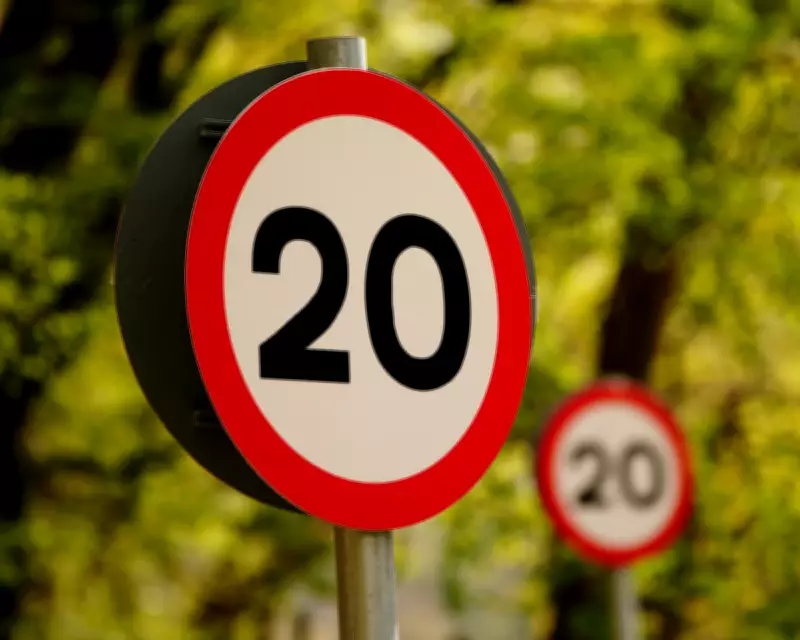
The Institute for Public Policy Research (IPPR) has called on the UK government to lower speed limits as part of a package to mitigate the impact of the Iran conflict on consumers. The thinktank proposes capping speeds at 20mph in towns and cities and 60mph on motorways to reduce fuel demand and combat soaring oil prices.
Proposed measures
The IPPR also recommends a temporary 10p cut in fuel duty and a new energy price cap of £2,000 per year to support households. The institute warns that inflation could peak at 5.8% without intervention. Senior economist William Ellis stated: “The UK cannot afford to sit back and let another energy shock drive up inflation and damage the economy.”
Dual benefits of lower speeds
The thinktank describes lower speed limits as a “dual win”, lowering fuel demand while making streets safer for walking and cycling. It suggests packaging this with advice on efficient driving, increased home working, and carpooling. However, such measures may prove controversial. Wales introduced a 20mph default limit in 2023, and a BBC poll found majority opposition despite a 10% drop in road casualties.

International context
The International Energy Agency has advised member countries, including the UK, to consider lower speed limits and driving restrictions as emergency measures in response to the Middle East conflict. The IPPR estimates the Treasury could lose up to £8bn annually from higher debt payments and lower tax revenues without a support package.
Cost and impact
The fuel duty cut would apply until spring 2027, while the price cap would sit above Ofgem's current quarterly cap of £1,641 but trigger automatically if estimates cross £2,000. Gas and electricity bills could hit almost £2,000 from July. The policies would cost up to £5bn a year, far less than Liz Truss's £76bn response to the 2022 energy crisis. Chancellor Rachel Reeves has indicated support will be targeted at those most in need.
Inflation and interest rates
The IPPR estimates the package could reduce peak inflation by up to two percentage points and potentially avert Bank of England interest rate rises, which many analysts expect. The Bank left rates unchanged at 3.75% but warned of possible increases. Governor Andrew Bailey noted: “The longer this problem goes on, the more difficult the scenario we’re in.” Ellis added: “The government can act now where the Bank can’t, with a well-designed policy that caps prices in damaging scenarios.”