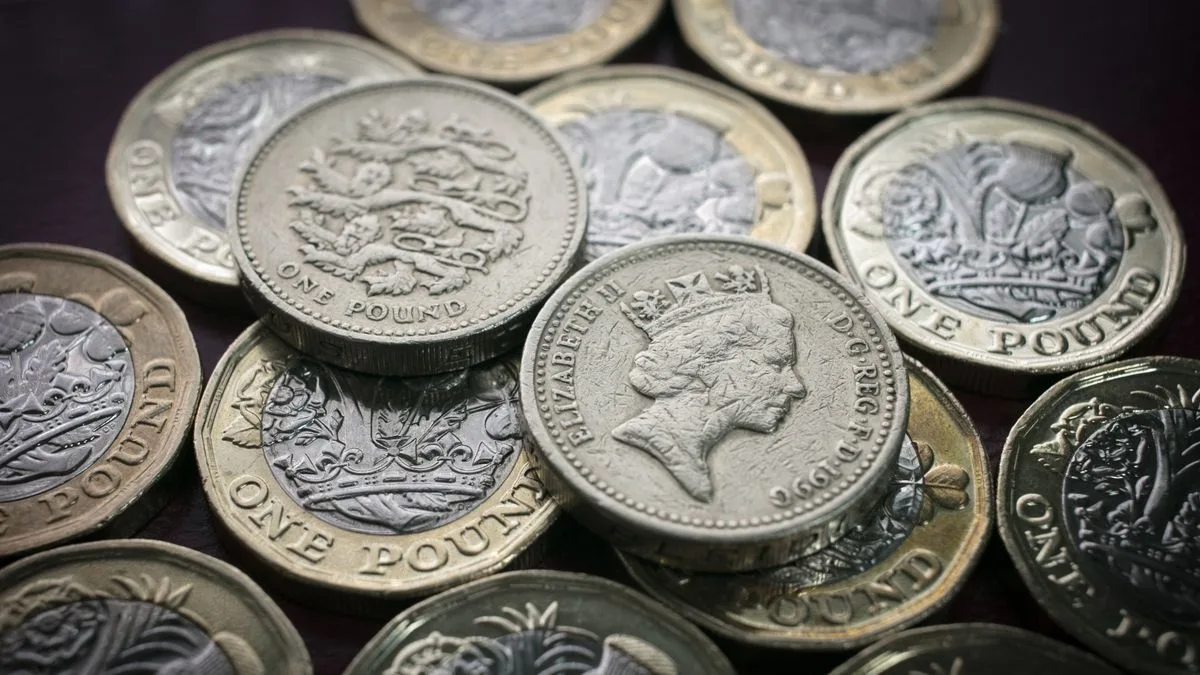
Rare 2016 £1 Coin with Minting Error Could Be Worth a Small Fortune
Coin collectors and the general public are being urged to check their £1 coins from 2016, as a rare minting error could make them worth far more than their face value. According to experts, this elusive coin has previously sold for as much as £2,500, making it a highly sought-after item for numismatists and casual searchers alike.
The Specific Error That Drives Up Value
The valuable coin in question is from 2016, a year before the new 12-sided £1 coins officially entered circulation in April 2017. During the minting process, a small number of these coins were struck with a crucial error: the main date beside the Queen's head reads "2016", while a tiny micro-engraving on the outer rim reads "2017". This discrepancy is due to a die-error mix-up that occurred only on limited coins with the 2016 date.
An expert known as the Coin Collecting Wizard highlighted this coin in a TikTok video, estimating its value at around £500. However, he acknowledged that at least one example has sold for five times that amount, reaching £2,500 in a sale to a buyer in Spain back in 2017. The error is particularly difficult to spot because the micro-engraving is so minuscule that it may require a microscope to see properly.
How to Identify the Valuable Coin
To potentially pocket some easy money, here is what you need to look for:
- Check the obverse (head side): Ensure the coin has a 2016 date beside the Queen's head.
- Inspect the reverse (tail side): Look just inside the rim of the design-side for tiny writing. You will almost certainly need a microscope to properly see this micro-engraving, which should reveal the date 2017.
Specialists at Change Checker support this guidance, noting that while both 2016 and 2017 obverse-dated £1 coins entered circulation in April 2017, the error appears only on a limited number of coins with the 2016 date. They suggest that in pristine condition, such a coin would typically be valued between £300 and £500, but exceptional sales have reached much higher figures.
Why This Coin Is So Valuable
The rarity and difficulty in spotting the error contribute significantly to its value. Since the micro-engraving is so tiny, many of these coins might have gone unnoticed in everyday transactions, making any discovered examples particularly prized. Collectors are always on the lookout for such minting mistakes, as they add unique historical and monetary value to otherwise ordinary currency.
So, if you have any £1 coins from 2016 lying around, it is worth taking a closer look. With a bit of luck and a keen eye—or a microscope—you might uncover a coin worth a small fortune, turning everyday change into a valuable collector's item.