

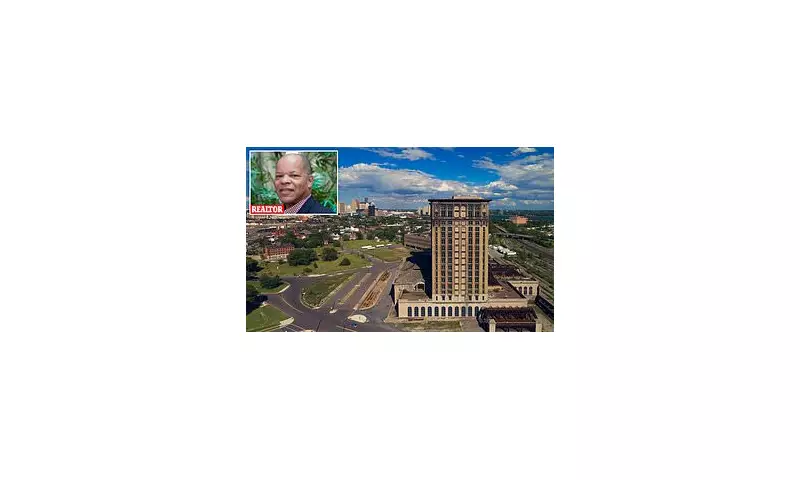
A wave of empty nesters is breathing new life into one of Detroit's most historic and once-gritty neighbourhoods, sparking a remarkable urban revival. Corktown, the city's oldest district originally founded by Irish immigrants in the 1830s, is now the destination of choice for middle-aged parents seeking a fresh start in a vibrant, walkable urban environment.
From Ghost Town to Boom Town
According to Aaron Taylor, a luxury realtor with ExP, his clients are increasingly parents looking to revitalise their lives in an area packed with entertainment and close to downtown Detroit. "It's a completely different city than even three to four years ago," Taylor told the Daily Mail. The transformation is stark. Stuart Harvin, a 62-year-old fellow realtor who grew up in Detroit, recalls childhood weekends downtown when it felt like a ghost town. "There was nothing," Harvin said. "There wasn't anything to keep people in Detroit."
The change began around 2005 with the opening of popular venues like Slows Bar BQ. However, the pace has accelerated dramatically in recent years. Taylor revealed that city-wide home vacancies have plummeted from 50,000 to just around 900 as Detroit shed its hardened reputation. In Corktown, a key catalyst has been the multi-million-pound renovation of the iconic Michigan Central Station, which now draws tourists and new residents alike.

The Allure of a Walkable, Historic Hub
Corktown's appeal lies in its unique blend of old and new. It borders downtown and the riverfront, maintaining an old, traditional feel with its historic buildings while offering a growing strip of restaurants, bars, and cultural attractions along Michigan Avenue. "It's a good middle ground," Taylor explained. "It's the middle of entertainment and the riverfront." The area boasts Roosevelt Park, Eastern Market, art museums, and ample biking paths.
Harvin notes that perception shifted as the streets filled up. "People see it as a viable place," he stated. "It's taken time. If you build certain things, people come." This influx of residents and investment, shared with areas like Indian Village and Midtown, is revitalising not just subsections but Detroit as a whole.
Property Boom and the Tax Trade-Off
The regeneration has come with a significant financial uplift. The average home price in Corktown has now reached $470,000, nearly double its pre-revival value, according to Zillow estimates. However, this boom has a notable downside: high property taxes. Taylor pointed out that taxes are "relatively high in Corktown and Midtown. That's a really big hit."
Nearly $70 per $1,000 of a home's taxable value is directed to the Detroit City School District. For a home valued around $228,500, this equates to an annual bill of approximately $7,700. Despite this, the demand from empty nesters and other urban pioneers shows no sign of abating, cementing Corktown's status as a symbol of Detroit's resilient and ongoing renaissance.






