

Air passengers across the United Kingdom are being warned to prepare for significant increases in ticket prices, as regional airports face what experts are calling an "unprecedented" surge in property taxes. New analysis of official government data reveals that airports outside London are set to be hit with some of the most extreme business rates rises of any industry.
Staggering Increases Revealed in Official Figures
An examination of Valuation Office Agency (VOA) figures, conducted by global tax consultancy Ryan for the Press Association, shows that rateable values for some airports have rocketed more than sixfold in the latest property reassessment. This has caused corresponding tax demands to skyrocket.
While London hubs Heathrow and Gatwick are also facing substantial increases, the data indicates the most severe cases are concentrated beyond the capital. The analysis found a sector-wide uplift of 295%, a figure described as unprecedented.

Which Airports Are Facing the Biggest Bills?
Despite a transitional relief scheme that caps annual rises at 30% for the coming year, regional airports will still confront some of the largest cash hikes nationwide. The majority will see their bills more than treble over the next three years.
Key examples from Ryan's figures include:
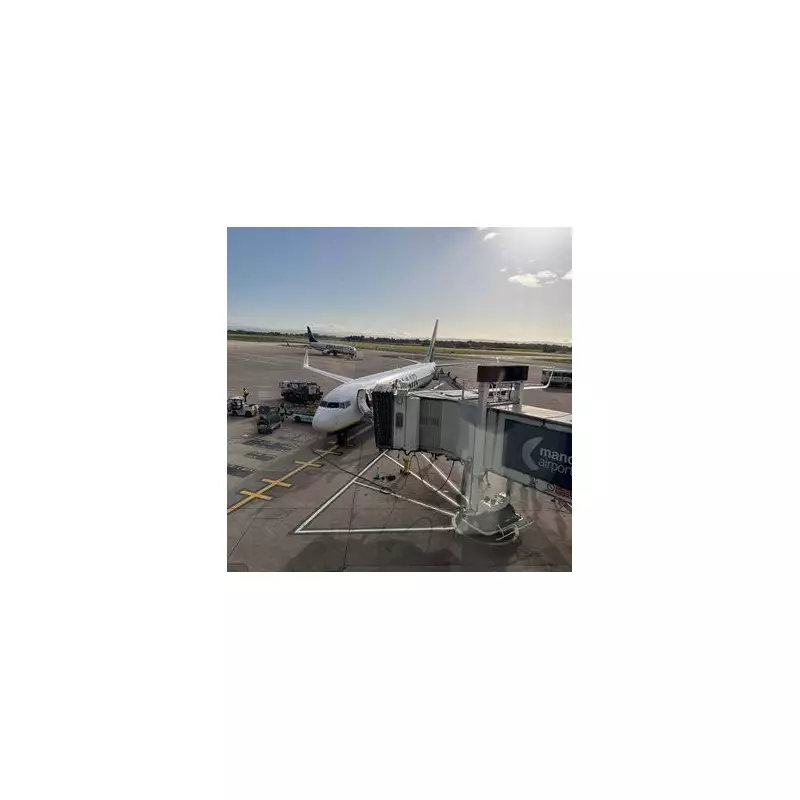
- Manchester Airport: Its business rates demand is set to leap by £4.2 million to £18.1 million next year.
- Bristol Airport: Will experience a £1.2 million jump to £5.2 million.
- Birmingham International Airport: Anticipates a £1.8 million surge to £7.6 million.
- Newcastle International Airport: Faces a £244,755 rise to £1.1 million.
Other airports bracing for colossal hikes include Liverpool, East Midlands International, and Bournemouth.
Inevitable Impact on Passengers and Investment
Alex Probyn, who leads property tax practice for Europe and Asia-Pacific at Ryan, stated plainly that airports cannot absorb such a cost shock. "These increases will inevitably flow through the system: first into airport charges, then into airline costs, and ultimately into ticket prices," he warned.
Airport operators have raised serious concerns that the tax hike will stifle vital investment. A spokesperson for Manchester Airports Group said increases of over 100% force a re-evaluation of plans to invest more than £2 billion in its UK airports over the next five years.
The trade body AirportsUK criticised the government's plans as "short-sighted," warning of a knock-on effect for businesses that depend on airport connectivity and a negative impact on local economies reliant on tourism and supply chains. The group is engaging with the Treasury on a long-term review of how airport business rates are calculated, hoping for a solution that supports economic growth.
The Treasury's consultation on the business rates plan concludes in February 2026.






