US Foreclosure Crisis Intensifies with Over 118,000 Properties Affected in Early 2026
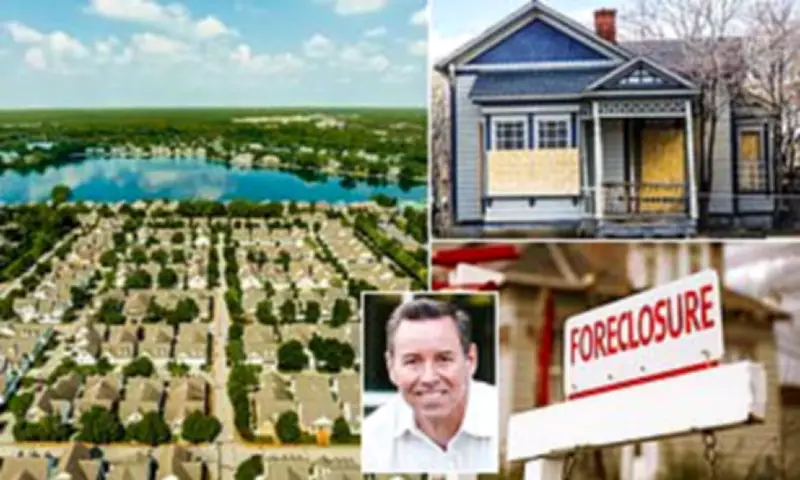
A significant surge in foreclosure activity is sweeping across the United States, presenting a troubling economic indicator reminiscent of the pre-2008 Great Recession era. According to the latest data from Attom, a total of 118,727 properties faced foreclosure filings during the first quarter of 2026. This figure represents a substantial 26 percent increase compared to the same period in the previous year, highlighting a clear acceleration in financial distress among homeowners.
Bank Repossessions Spike as Financial Pressure Mounts
Even more alarming is the dramatic rise in completed foreclosures, where banks have seized properties outright. In the first quarter of 2026, lenders repossessed 14,020 homes, marking a staggering 45 percent year-on-year increase. This aggressive move by financial institutions underscores the growing inability of many borrowers to keep up with mortgage payments amid persistently high living costs.
Rob Barber, CEO at Attom, commented on the concerning trend: 'Foreclosure activity increased in the first quarter with both starts and completed foreclosures posting solid year-over-year gains. While volumes remain below historical peaks, the continued rise, especially in starts and bank repossessions, suggests financial pressure may be building for some homeowners and could signal shifting housing market dynamics.'

Geographic Disparities Reveal Regional Hotspots
The foreclosure crisis is not impacting all regions equally. States across the South and Midwest are experiencing the most severe effects, with Indiana emerging as the hardest-hit state where one in every 739 homes faces foreclosure. Other states with particularly high rates include:
- South Carolina (one in 743 homes)
- Florida (one in 750 homes)
- Delaware (one in 757 homes)
- Illinois (one in 833 homes)
Florida stands out as a major flashpoint, not only ranking among the worst for foreclosure rates but also witnessing repossessions more than double compared to last year. Conversely, states like South Dakota, Vermont, and West Virginia remain relatively insulated from the crisis, though experts caution this could change.
Urban Centers Face Growing Pressure
Major metropolitan areas are also experiencing significant spikes in foreclosure activity. New York City recorded the highest number of foreclosure starts among large urban centers, followed closely by Houston, Chicago, Atlanta, and Dallas. This pattern indicates that financial pressure is affecting homeowners across both urban and suburban landscapes, with nationwide statistics showing approximately one in every 1,211 homes had a foreclosure filing during the quarter.
Accelerated Foreclosure Timelines Compound the Crisis
In another worrying development, the foreclosure process itself is becoming faster and more efficient. Homes repossessed in early 2026 had typically been in the foreclosure pipeline for just 577 days, representing a 14 percent reduction from the previous year. This accelerating timeline means struggling homeowners now have less opportunity to recover financially or renegotiate loan terms before facing eviction.
Broader Economic Implications and Historical Context
While current foreclosure numbers remain below the catastrophic levels witnessed during the 2008 housing market collapse, analysts express concern about the consistent upward trajectory in both foreclosure starts and completed repossessions. The data suggests the housing market is undergoing a normalization process following years of unusually low foreclosure activity, but this adjustment comes at significant personal cost for affected families.
The combination of rising foreclosure filings, surging bank repossessions, and shrinking foreclosure timelines paints a stark picture of growing financial vulnerability across America. As more homeowners are pushed toward the financial brink, the latest figures serve as a clear warning sign for broader economic stability and housing market health in the coming months.