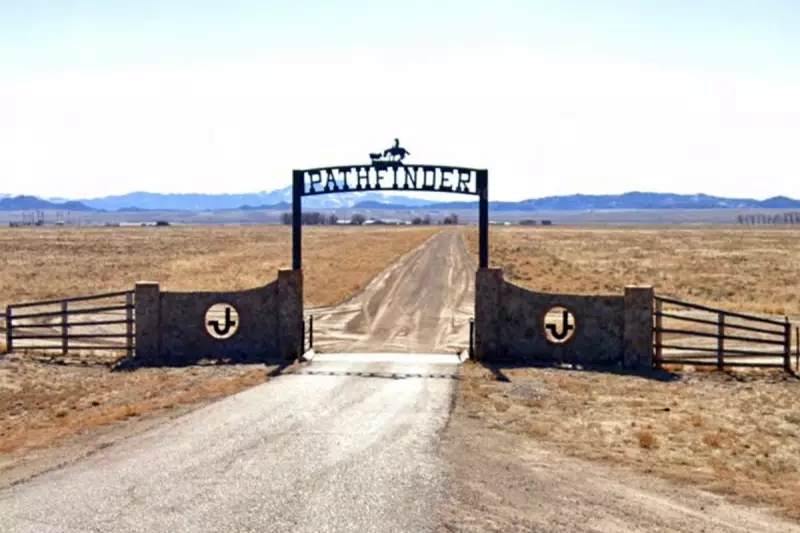
A sprawling Wyoming ranch, a property so vast it eclipses the size of the US state of Rhode Island, has been sold in a multi-million dollar deal to a family company controlled by a local elected official.
The Buyer and the Record-Breaking Property
The mystery buyer of the 916,000-acre Pathfinder Ranches has been revealed as Christopher Robinson, a member of the Summit County Council. He completed the purchase through his family firm, The Ensign Group L.C. The deal was finalised on 14 January, although the exact final price has not been made public. The property was listed last summer for $79.5 million.
To grasp the sheer scale of this acquisition, the ranch spans four separate counties in Wyoming and covers approximately 1% of the state's total land mass. This makes it not only larger than Rhode Island but also nearly matches the size of Delaware.

A Long-Term Vision for a Vast Landscape
This purchase is not Robinson's first major foray into large-scale land ownership. He already owns around one million acres and, significantly, bought the neighbouring 86,000-acre Stone Ranch just four years ago. His stated plan is to merge these two colossal holdings into a single, unified operation.
Robinson intends to run the combined land as a self-sustaining livestock range. He has framed the acquisition as a long-term investment that also carries significant conservation goals, aiming to manage the immense territory with a focus on stewardship and sustainability.
Implications of a Landmark Deal
The sale of the Pathfinder Ranches represents one of the most significant property transactions in the region in recent years. The transfer of such a large parcel of land—essentially a private holding the size of a small state—into the hands of a single family entity highlights ongoing trends in major land management and agricultural consolidation.
For Wyoming, a state known for its wide-open spaces and ranchland, this deal underscores the immense value and scale of its agricultural and conservation estates. The commitment to operating it as a working ranch suggests the land will remain in productive use, aligning with Robinson's vision of a long-term, conservation-minded investment.