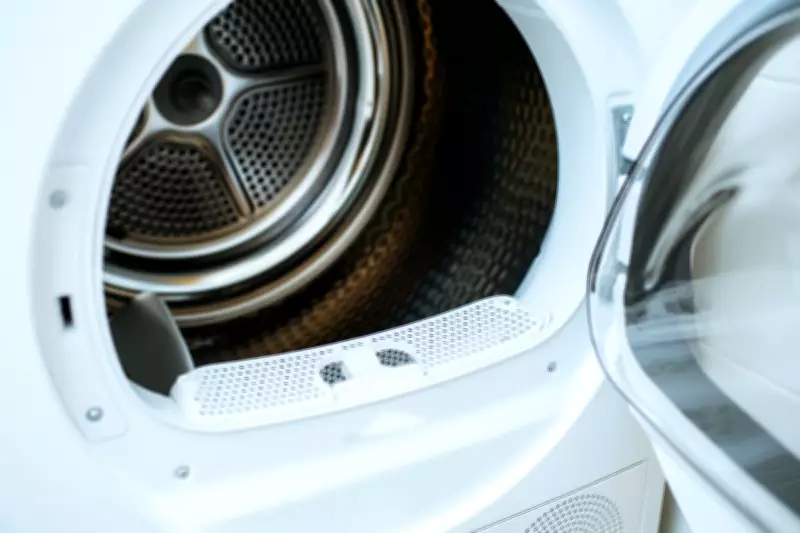
The UK government has announced plans to phase out traditional condenser tumble dryers, replacing them with more energy-efficient heat pump models through new sales regulations. The new rules will mandate higher energy efficiency standards for all new appliances sold in the country, though existing dryers will not be banned.
What the New Regulations Mean for Households
Under the proposed changes, manufacturers and retailers will be required to sell only heat pump tumble dryers that meet stricter energy efficiency criteria. Heat pump dryers use a closed-loop system to recycle heat, consuming significantly less electricity than conventional condenser or vented models. According to government estimates, households could save approximately £1,000 over the typical 20-year lifespan of a heat pump dryer due to lower running costs.
Why the Change?
The initiative is part of the UK's broader strategy to achieve net-zero carbon emissions by 2050. By promoting more efficient appliances, the government aims to reduce household energy consumption and lower carbon footprints. Additionally, the move is intended to avoid increased import costs that could arise from new European Union regulations on appliance efficiency.

UK Climate Minister Athena Stavrou stated: "The case for net zero remains as strong as ever. These new standards will help families save money on their energy bills while cutting emissions."
Criticism and Concerns
However, the proposal has faced criticism from opposition politicians and consumer groups. Shadow Energy Secretary Claire Coutinho described the policy as "Soviet levels of control," arguing that it restricts consumer choice. Critics point out that heat pump dryers are typically more expensive upfront, costing several hundred pounds more than traditional models. They also take longer to dry clothes, which could be inconvenient for households with large families or limited time.
Consumer advocates have called for subsidies or incentives to help offset the higher purchase price, ensuring that low-income households are not disproportionately affected. Some industry experts suggest that the transition should be gradual, allowing consumers to adapt without financial strain.
Looking Ahead
The government plans to consult with manufacturers, retailers, and consumer groups before finalizing the regulations. If implemented, the phase-out could begin as early as next year. While the long-term savings are clear, the short-term costs and practical concerns remain points of contention.
For now, households with existing traditional dryers can continue using them without any restrictions. The new rules will only affect new purchases, giving consumers time to plan their next appliance upgrade.