With food prices continuing to climb across the United Kingdom, savvy shoppers are increasingly turning to yellow sticker discounts as an essential strategy for keeping their weekly grocery bills manageable. These last-minute price reductions on perishable items can transform an expensive shopping trip into a significant money-saving opportunity, but timing is absolutely crucial for securing the best deals.
The Science Behind Supermarket Discounts
To uncover the most effective times for yellow sticker hunting, discount experts at Quote My Wall conducted comprehensive research into supermarket reduction patterns. Their analysis examined retailer policies, consumer reports from bargain-hunting communities, and insights shared by both shoppers and store employees across the country. The findings reveal distinct patterns that can help consumers plan their discount shopping more strategically.
Tesco: Evening Opportunities
Tesco maintains a flexible approach to yellow sticker reductions without fixed national timings, making local store knowledge particularly valuable. However, consistent reports from both shoppers and staff indicate that late evening presents the prime opportunity for discounts. Stores typically aim to clear same-day stock during this period, with the best chances occurring after 7pm and within 30 to 60 minutes before closing. Some Tesco Express locations have even experimented with marking selected items at £0 after 9:30pm as part of food waste reduction initiatives.

Sainsbury's: Dual Discount Windows
Sainsbury's discount timing varies considerably between stores, but bargain hunters have identified two optimal periods. For the widest selection of reduced items, shoppers should visit between 1pm and 3pm. Those seeking the lowest possible prices, however, will find better opportunities during the early evening window from 6:30pm to 8pm, when final reductions are typically applied.
Asda: Twice-Daily Reductions
Asda operates on a more structured system with two distinct discount waves each day. The first round of price reductions usually occurs between 9am and 11am, followed by a second wave in the evening from 7pm to 9pm. This predictable pattern allows shoppers to potentially catch both discount periods depending on their daily schedule.
Lidl: Morning and Evening Patterns
Lidl follows one of the more consistent discount schedules among UK supermarkets. Initial price cuts typically happen first thing in the morning when stores open, offering fresh reductions on overnight stock. A second round occurs several hours before closing, with the best prices generally available 3 to 4 hours prior to the store shutting for the day.
Aldi: Evening Focus
While Aldi's discounting approach varies between branches, most locations concentrate their yellow sticker activity in the evening hours. The prime time for finding reduced items typically falls between 7pm and closing time as stores work to quickly move perishable products before the end of the trading day.
Co-op: Progressive Evening Discounts
The Co-op implements a graduated discount system throughout the evening. Shoppers can expect to see initial price reductions of around 50 percent between 5pm and 7pm. Those willing to wait until approximately 8pm, however, will often find even deeper discounts as stores make final attempts to clear remaining stock.
Morrisons: Manager-Led Flexibility
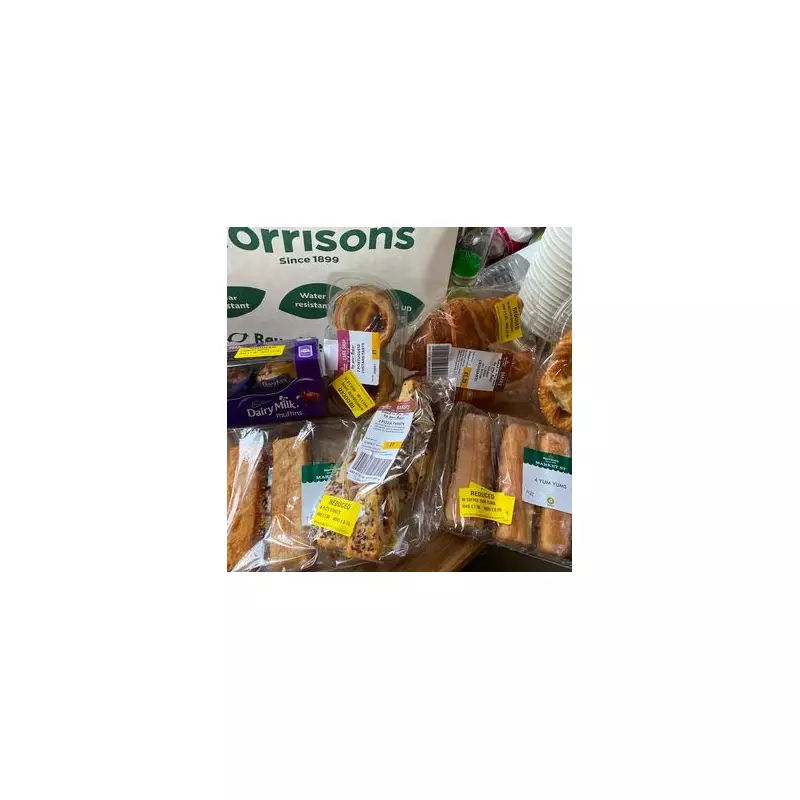
Morrisons employs a manager-led approach to yellow sticker reductions, creating variation between individual stores. Observant bargain hunters report that earlier reductions, typically occurring between 10am and 1pm, offer greater product variety. Later reductions, usually between 5pm and 8pm, tend to feature lower prices as stores become more aggressive with final markdowns.
M&S: Closing Time Strategy
Marks & Spencer maintains no official policy regarding yellow sticker timing, but consistent reports from both shoppers and staff indicate that the best value emerges approximately one hour before closing. This final-hour window represents the supermarket's last opportunity to reduce prices on perishable items before the end of the trading day.

Understanding these discount patterns provides UK consumers with a valuable advantage in the ongoing battle against rising food costs. By timing their shopping trips according to each supermarket's reduction schedule, bargain hunters can significantly increase their chances of securing substantial savings on their weekly grocery purchases.