The gourmet burger revolution that swept through Britain's high streets appears to be facing a significant downturn, with two of its most prominent pioneers announcing widespread closures. MEATliquor, the hipster burger joint that ignited London's dining scene in 2011, has permanently shuttered the majority of its restaurants, leaving only two of the original five locations operational.
The Rise and Fall of a Dining Phenomenon
When MEATliquor first opened its doors in London's West End, it immediately captured the imagination of the capital's trendy set. Patrons flocked to indulge in grass-fed burgers and truffle fries within atmospherically gritty settings featuring exposed brick walls, industrial lighting, and graffiti-covered interiors. The chain's unconventional approach extended to late opening hours until 3am and signature items like the 'Dead Hippie Burger' with mustard-fried beef patties and the provocatively named 'Booze and Bad Decisions' cocktail menu.
This unique formula attracted celebrity attention from figures including former Prime Minister David Cameron and football icon David Beckham, with queues regularly stretching around the block during the brand's heyday. However, the current hospitality climate has proven particularly challenging for such establishments.

Mounting Pressures on the Industry
The Leeds branch, which closed after eleven years of trading, pointed directly to economic pressures in its farewell message: 'Cost of living up. Cost of beef up. Cost of EVERYTHING up.' This sentiment reflects broader industry challenges including rising business rates, increased national insurance contributions affecting staff costs, and soaring energy prices.
MEATliquor founder Scott Collins confirmed the group had appointed BPI Asset Advisory to assess its options, telling trade publication RestaurantNews: 'We're in the same position as a lot of others in the industry and I'm just getting ahead of things before we're forced to. On top of VAT, rates, beef and energy costs, we've not got a new war creating uncertainty and more tube strikes to deal with.'
Consumer Sentiment Shifts
Beyond economic factors, changing consumer perceptions have contributed to the chain's struggles. TripAdvisor reviews increasingly brand MEATliquor as 'overpriced' and 'totally overrated,' with one particularly harsh comparison suggesting the food resembled 'something you would buy from Iceland.' This indicates a broader disenchantment with the proliferation of premium burger joints that have become ubiquitous on British high streets over the past decade.
Domino Effect Across the Sector
The challenges extend far beyond MEATliquor. Just days after its closures were announced, Patty&Bun revealed it was shutting four of its six venues, including its original Marylebone location that launched in November 2012. The chain, once celebrated for gourmet offerings like the messy 'Ari Gold' cheeseburger (named after the Entourage character) and its laid-back atmosphere, now maintains just two physical sites.
Patty&Bun's Instagram announcement struck a nostalgic tone: 'We've loved being part of these communities and just wanted to say a huge thank you to everyone who's walked through these doors. It's been a privilege to serve you. To our teams past and present, the graft, the energy, the madness and the love you put into every shift... we're endlessly grateful.'
Broader Industry Struggles
This contraction represents part of a larger pattern affecting the premium burger market. Byron Burger has collapsed into administration three times since 2020, most recently being rescued by 21-year-old Gen Z entrepreneur Akshat Tibrewala for £2.5 million after previous owner Tristar Foods announced plans to bring in administrators.
Similarly, Gourmet Burger Kitchen (GBK) closed 26 restaurants and eliminated 362 jobs in 2020, having been purchased in a rescue deal by Boparan Restaurant Group. The company, previously owned by South African group Famous Brands, slid into administration after the pandemic impacted its liquidity and potential for sale as a solvent business.

Even Established Players Feel the Pinch
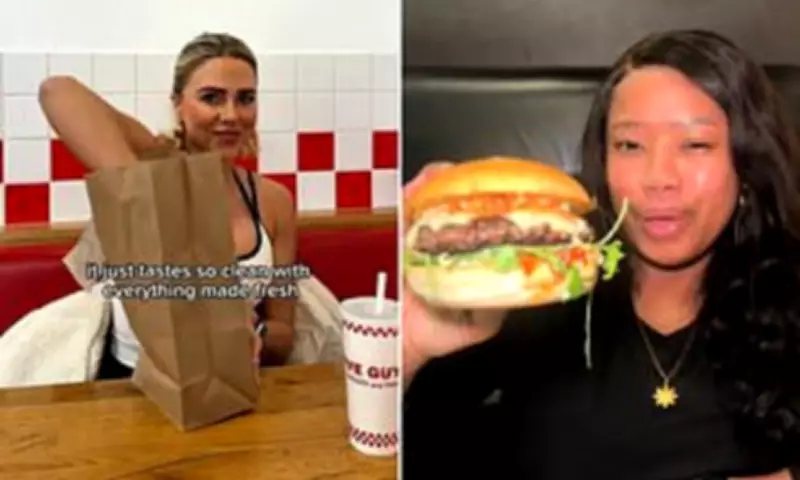
The difficulties have extended to more established international chains. Five Guys, the cult favourite founded by the Murrell family in 1986, has reported widening losses at its European arm. The London-headquartered division shared a pre-tax loss of £36.7 million for 2024, following a £16.7 million loss in 2023 and a £35.6 million loss in 2022 according to City AM reports.
These financial struggles may relate to the brand's premium pricing, with a bacon cheeseburger costing £13.35 and large fries priced at £6.95 at the London Portobello branch, bringing a single meal to over £20. The expense has prompted creative consumer responses, including numerous TikTok posts showing adults purchasing the £9.50 kids' meal to manage costs.
Structural Changes and Future Prospects
The Patty&Bun closures follow a restructuring announced last year that saw the group's assets acquired by a new company founded by Joe Grossman. This pattern of corporate reorganization reflects the sector's attempts to adapt to changing market conditions.
As MEATliquor's Scott Collins noted, the industry faces a perfect storm of challenges including VAT, business rates, ingredient costs, energy prices, geopolitical uncertainty, and transport disruptions. These factors, combined with shifting consumer preferences away from what some now perceive as overpriced offerings, suggest the gourmet burger market may require significant reinvention to regain its former prominence on Britain's dining scene.
The closures mark a significant moment for Britain's restaurant industry, signaling that even the most trendy and celebrated concepts are not immune to economic pressures and evolving consumer tastes. What began as a culinary revolution has encountered substantial headwinds, leaving industry observers to wonder what might emerge to fill the void left by these fading burger institutions.