In a significant shift for the American retail landscape, a Texas-based supermarket chain has once again been crowned the nation's premier grocery retailer according to a major new industry report. The findings underscore how changing economic pressures and evolving shopper priorities are reshaping consumer loyalty across the United States.
Regional Powerhouses Outperform National Giants
For the fifth occasion in just nine years, H-E-B, the San Antonio-headquartered grocery operator, has secured the coveted number one position in Dunnhumby's ninth annual Retailer Preference Index. This comprehensive, data-driven assessment analyses over 80 national and regional supermarket brands, combining financial performance metrics with extensive customer perception surveys.
Remarkably, the 2026 ranking marks a historic first: the top three positions are all held by regional chains, decisively outpacing larger national competitors. New England's Market Basket claimed the second spot for the second consecutive year, while Wisconsin's Woodman's made its debut in the elite tier by securing third place.

A Top Ten Dominated by Value and Perception
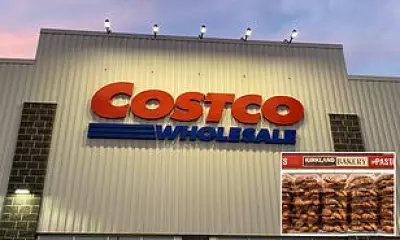
The remainder of the top ten was populated by a mix of value-focused and specialised retailers. Costco, Aldi, WinCo Foods, Trader Joe's, Amazon, Wegmans, and ShopRite completed the list, illustrating the diverse strategies succeeding in today's market.
Notably, Amazon slipped two places in the rankings, and Sam's Club experienced a more pronounced decline of six positions. Analysts at Dunnhumby attribute this shift to a diminishing digital advantage; the once-significant edge held by these retailers carried less weight with consumers in 2025. Neither company managed to break into the top tier for critical value drivers like price, promotions, rewards, or quality.
Economic Squeeze Drives Price-Conscious Shopping
The report arrives against a stark backdrop of financial strain for millions of American households. Dunnhumby's Consumer Trends Tracker reveals that 56 percent of Americans cannot cover an unexpected $400 expense, a worrying statistic that has deteriorated since late 2024.
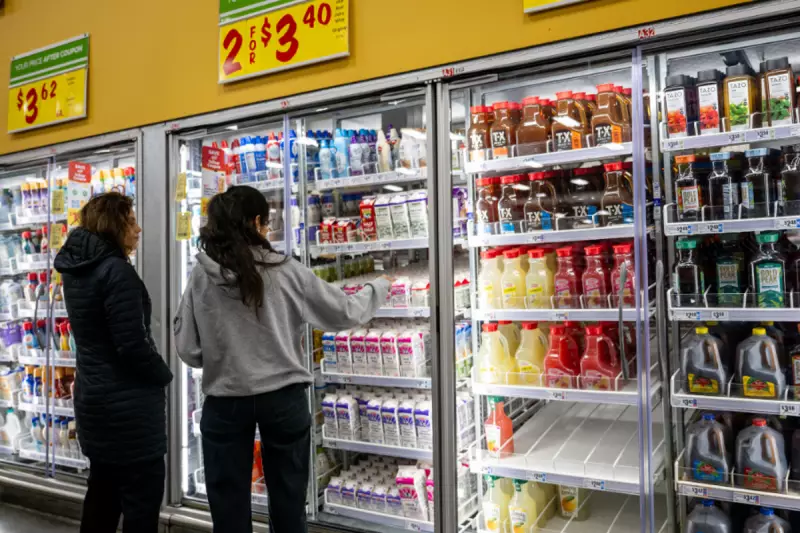
Furthermore, a shocking 58 million Americans—a number exceeding the entire population of Canada—are now experiencing food insecurity, often being forced to skip meals due to affordability challenges. This climate of economic uncertainty is fundamentally altering shopping behaviour.
"2025 threw a lot of curveballs at the U.S. consumer," stated Matt O'Grady, President of the Americas for Dunnhumby. "Shopper confidence dropped as concerns about higher prices, fewer job opportunities, and stagnant wages eroded purchasing power. Consumers across all income levels are feeling the squeeze and making more price-conscious choices. In this environment, building trust with American shoppers has never been more critical."
How Grocers Are Ranked: A Blend of Data and Opinion
The Dunnhumby RPI employs a unique methodology that fuses hard financial data from Flywheel with survey responses from over 11,000 U.S. grocery shoppers. Retailers are evaluated across five key drivers of customer value:
- Price
- Promotions and rewards
- Quality
- Digital capabilities
- Operations, speed, and convenience
This dual-lens approach provides a holistic view of a retailer's market strength, balancing what they sell with how customers perceive their offering.
The Convergence of Quality and Value
A pivotal insight from the recent analysis is the increasing convergence of quality and value within the retail sector. Traditionally budget-focused retailers like Walmart and Aldi are successfully narrowing the perceived quality gap with their more established competitors, all while maintaining a decisive price advantage.
This trend has elevated quality to a primary competitive differentiator, operating alongside affordability. The result is a fundamental reshaping of the grocery battleground, where attracting and retaining shoppers now demands excellence in both value perception and product standards. The success of H-E-B and other regional leaders suggests that deeply understanding and serving local community needs, while mastering this balance of quality and price, is a winning formula in today's challenging economic climate.