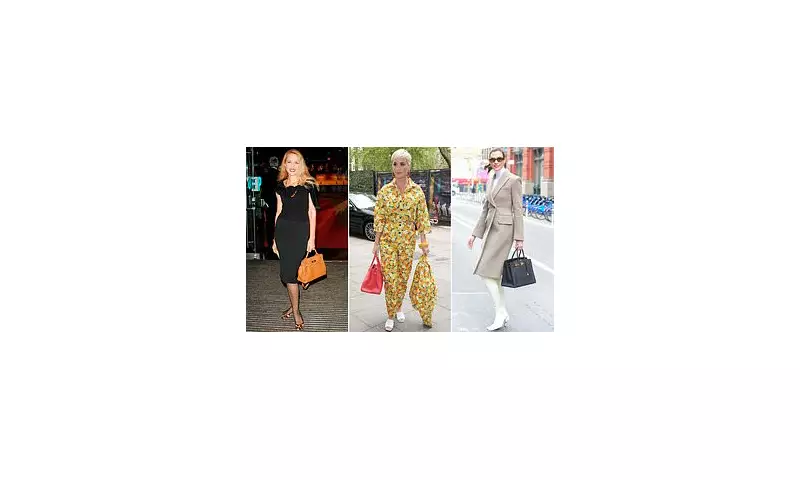
The notoriously elusive Hermes Birkin bag may become slightly more accessible to determined shoppers, as the French fashion house has pledged to make its sales policies more transparent. This significant shift follows a class action lawsuit filed by frustrated consumers in California and a detailed investigation that exposed the brand's secretive allocation practices.
Legal Pressure and Policy Changes
Hermes has committed to improving the customer experience in America, particularly regarding the availability of information and waiting times for its most coveted items. This decision comes after a class action lawsuit, filed by customers who claimed the conditions for securing a Birkin breached fairness laws. Although the lawsuit was dismissed twice, with the plaintiffs lodging an appeal last October, the brand has proactively promised greater transparency.
The luxury house faced allegations of restricting sales of its most desirable items to customers with extensive purchase histories and enforcing what critics called a 'hidden lottery system'. This system allegedly compelled customers to spend substantial sums on other Hermes products without any guarantee of eventually obtaining a Birkin.

Investigative Revelations
A revealing investigation by French publication Glitz uncovered extraordinary practices employed by Hermes staff. Employees reportedly used Google to analyse the addresses of prospective Birkin buyers, assessing whether their homes were sufficiently prestigious. Sales associates also scrutinised potential owners' social media accounts, and if a customer was later spotted listing the bag for resale online, both the client and the responsible employee faced blacklisting.
To address these concerns and eliminate rumours of a hidden allocation system, Hermes will now require store assistants to share more information about product availability and waiting periods. Some boutiques will display signs explaining which items can be purchased without prior purchase history, introducing unprecedented levels of transparency into the brand's sales policies.
The Birkin Phenomenon
The Birkin bag, named after British actress and singer Jane Birkin, represents the ultimate luxury status symbol, with prices typically starting at £10,000. The original bag owned by Jane Birkin herself sold at Sotheby's Paris for an astonishing $10.1 million in July 2025. Each piece is crafted by hand in Pantin, France, by a single expert craftsperson, contributing to its exclusivity and desirability.
Despite its luxury status, analysts estimate it costs Hermes only around $1,000 to manufacture each Birkin. Insiders suggest that shoppers must spend approximately $10,000 on other Hermes goods, such as shoes and scarves, before being invited to purchase a basic model. For rare, limited-edition purses, regular customers may need to spend up to $200,000 on other in-store items.
The Allocation Process
The investigation revealed that Hermes associates use specific signals to identify suitable clients for 'quota bags' like the Birkin. Wearing an Audemars Piguet or Richard Mille watch is considered favourable, while a flashy Rolex can spark mistrust. Customer attire and behaviour are carefully judged during store visits, with certain items serving as immediate red flags for sales staff.
Even when customers receive the coveted offer to purchase a Birkin, they are shown a single bag without the option to specify colour preferences. The allocation process has become increasingly exclusive since the bag's introduction in the early 1990s, when it was originally sold directly from boutique shelves.
Market Evolution and Celebrity Endorsement
The Birkin's transformation into an ultra-exclusive accessory accelerated between 2008 and 2009 during the financial crisis. As limited edition versions began exceeding $100,000, the bag solidified its status as a timeless investment piece that never goes out of style. For fashion aficionados, these iconic accessories represent the ultimate status symbol, reserved for celebrities, socialites, and the ultra-wealthy.

Hollywood's elite, including Kim Kardashian, Jennifer Lopez, and Katy Perry, have been frequently photographed with their Birkins. Kim Kardashian, a particularly devoted collector, reportedly owns bags ranging from $50,000 to $500,000 in value. The bag's desirability has reached such heights that prospective buyers have attempted extraordinary measures to secure one, including offering Beyoncé tickets, private plane trips to the Cannes Film Festival, and even substantial cash bribes to sales associates.
Future Implications
Hermes's commitment to greater transparency represents a significant shift for a brand that has cultivated an aura of exclusivity around its most famous product. While the changes may make the purchasing process slightly more accessible, the Birkin will undoubtedly remain one of the world's most coveted luxury items. The brand's response to legal pressure and investigative scrutiny demonstrates how even the most exclusive luxury houses must adapt to changing consumer expectations and regulatory environments.
The ongoing appeal of the Birkin bag, combined with Hermes's new transparency measures, creates an intriguing dynamic between maintaining exclusivity and responding to demands for fairer access. As the luxury market continues to evolve, this balance between mystery and openness will likely define the future of high-end retail experiences.