While the global rum market continues to expand at a rapid pace, a fascinating divergence has emerged between mass-produced spiced varieties and the deeply traditional, terroir-driven rums of Jamaica. The island's historic distilleries are championing a return to authentic production methods that create uniquely funky, complex spirits, standing in stark contrast to the sweetened, vanilla-heavy spiced rums that have captured significant market share, particularly among British consumers.
The Heart of Jamaican Funk: Dunder, Muck, and Wild Yeast
At the core of traditional Jamaican rum's distinctive character lies a trio of unconventional production techniques largely abandoned by industrial producers. The process begins with the legendary dunder pit, a feature as iconic to Jamaican rum as the oak barrel is to Scotch whisky. Dunder is the leftover liquid from the previous distillation, rich in acids and esters, which is added back into new fermentations to impart profound, funky notes—functioning much like a sourdough starter for bread.
Hampden Estate's Historic Methods
Hampden Estate, operational since 1753 and located in Trelawney parish, exemplifies this commitment to tradition. Beyond dunder, the distillery utilises something called muck: an intensely aromatic, microbial soup teeming with billions of yeast bacteria and decomposing organic matter. This, combined with the use of wild, airborne yeasts for fermentation—a process that can take weeks compared to days with industrial strains—creates the rum's signature hogo, a bassy, funky flavour profile.

The resilience of these methods was tested last October when Hurricane Melissa struck Jamaica, directly hitting Hampden Estate. Initial fears centred on the potential loss of these precious microbial cultures. However, owner Andrew Hussey confirmed production is now secure, though the local community remains severely impacted by the storm's aftermath.
A Flavour Profile Like No Other
The result of these traditional practices is a spirit of remarkable complexity. Hampden's signature 1753 blend, for instance, offers a symphony of aromas and tastes: rich tropical fruit, deep baking spices, intriguing notes of nail varnish, glue, Marmite, leather, and what can only be described as animal spirits. This makes it a versatile choice, excellent sipped neat or as a bold substitute for gin in cocktails like a Kingston Negroni.
The Rise of Spiced Rum and Jamaica's Counter-Movement
The rum boom has been undeniable, driven by its approachable nature and mixability. Yet, in markets like the UK, growth has been disproportionately led by spiced rum—often a generic, sweetened spirit flavoured aggressively with vanilla and other extracts. This trend stands in direct opposition to the movement gaining momentum in Jamaica itself, where distilleries are fiercely championing their unique heritage.
This revival is partly institutional. Since Jamaica secured a Geographical Indication (GI) for its rum in 2016, producers have worked diligently to reclaim the spirit's identity. For decades, much Jamaican rum was sold in bulk and blended abroad, diluting its connection to place. The GI helps ensure authenticity and supports local ageing and bottling.
Pioneers of the Jamaican Rum Renaissance
Several distilleries are at the forefront of this authentic revival:

- Appleton Estate (established 1749): The oldest surviving distillery, it now ages all its rum on the island, concentrating those coveted tropical flavours. Under master blender Joy Spence, the first woman to hold such a title in Jamaica, it produces exceptional value spirits like the 8-Year Old Reserve.
- Worthy Park: Located in the south, this estate has revived its own sugar cane production to create a rum that is a true expression of its specific locale, from soil to bottle.
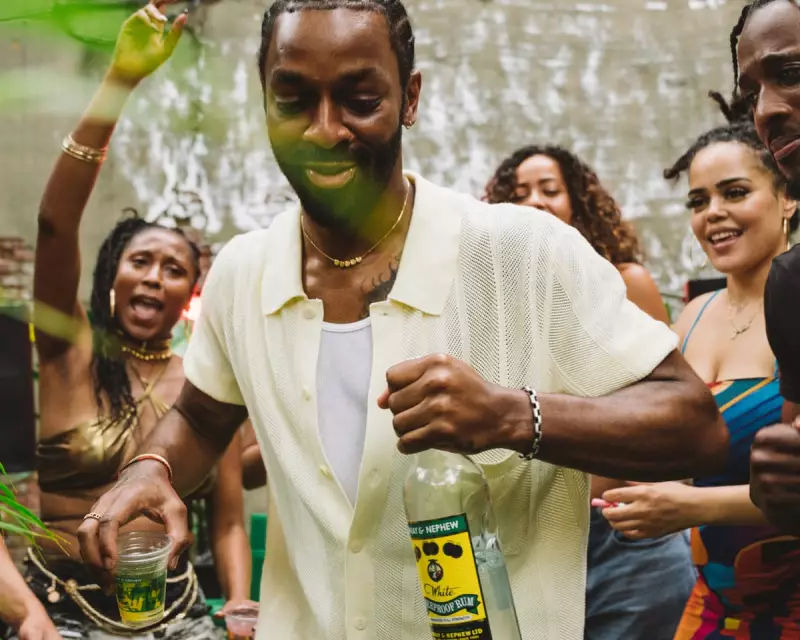
- Wray & Nephew: Its iconic overproof white rum remains the undisputed favourite on the island itself, a testament to its authentic, powerful flavour that makes a notoriously potent daiquiri.
Four Essential Jamaican Rums to Explore
- Hampden Estate 1753 (£57.25, 46% ABV): An outrageous, full-flavoured rum with notes of tropical fruit, spice, and kerosene. It holds its own in any cocktail.
- Appleton 8-Year Old Reserve Blend (£28, 43% ABV): Incredible value. Offers banana, apricot, toffee, and a pleasing funk. Perfect for a rum old fashioned.
- Worthy Park Single Estate Reserve (£46.95, 45% ABV): A lovely, rich rum reflecting its estate-grown cane, with flavours of mango, butter, and tobacco.
- Wray & Nephew Overproof (£31, 63% ABV): A true Jamaican icon. Potent and flavourful, best mixed with a grapefruit soda. A little delivers a lot.
This movement represents more than just a shift in taste; it's a reclamation of cultural and agricultural identity. While spiced rum caters to a palate for sweetness, traditional Jamaican rum offers a complex, funky, and genuinely unique drinking experience that speaks directly of its island home.