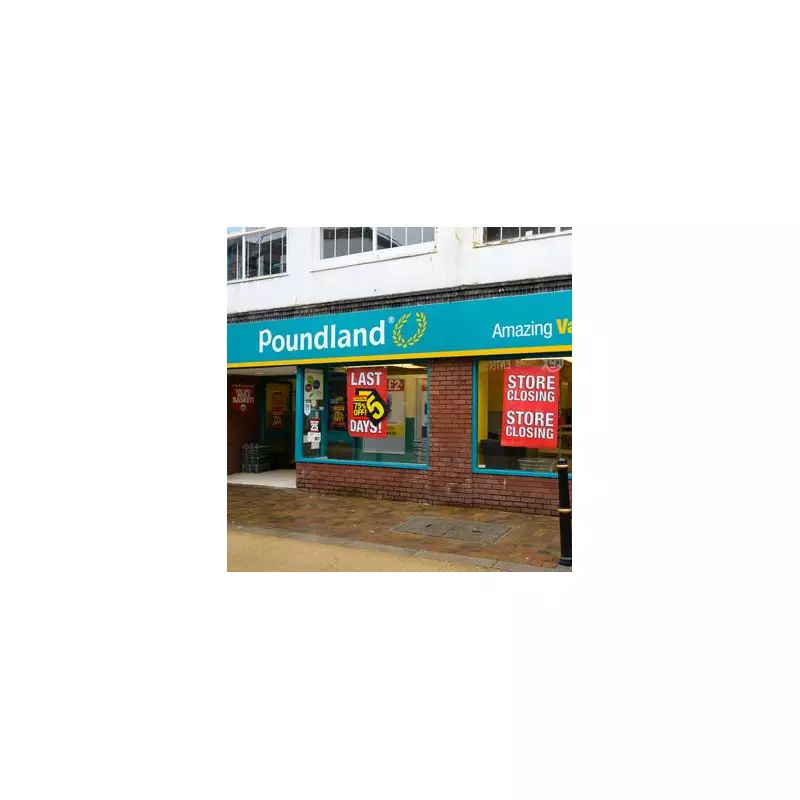
Poundland has confirmed the completion of a significant restructuring programme that has resulted in the closure of nearly 150 stores across the UK and the loss of approximately 2,200 jobs. The budget retailer, which was sold to investment firm Gordon Brothers for just £1 in June last year, has now finalised this overhaul as part of its rescue plan to avoid administration.
Store and Workforce Reductions
The restructuring has seen Poundland's store portfolio shrink dramatically from around 800 outlets to just 651 locations nationwide. Simultaneously, the company's workforce has been reduced from 14,200 employees to approximately 12,000, representing a substantial downsizing of operations.
Warehouse Closures and Operational Changes
As part of the comprehensive overhaul, Poundland has also closed two major distribution warehouses. The facilities in Darton, South Yorkshire, and Springvale in Bilston, West Midlands, have both been shuttered as the retailer streamlines its operations and supply chain infrastructure.

Financial Performance and Strategic Shifts
Latest financial figures reveal that Poundland's like-for-like underlying sales dropped by 2.9% in the quarter ending December 28th. However, the company reported a 2% increase in comparable store sales by volume as it implemented aggressive price reductions to return to its discount heritage.
Underlying earnings showed improvement during this period, rising by £8.4 million to reach £17.3 million in the first quarter, meeting the company's expectations. The restructuring programme received formal approval through the High Court in August, allowing the retailer to proceed with its recovery strategy.
Pricing Strategy Overhaul
Poundland has fundamentally revised its pricing structure, returning to a simplified £1, £2 and £3 grocery pricing model across all UK stores. Approximately 60% of grocery items are now priced at £1, marking a clear return to the retailer's value-focused origins.
The company has also made strategic decisions to remove certain product categories from its offerings, including frozen foods and selected chilled ranges. Additionally, Poundland has discontinued its online retail operations as part of this refocused business model.
Future Plans and Management Perspective
While confirming the completion of the restructuring programme, Poundland management has cautioned that significant work remains to fully restore the business to sustainable growth. Managing Director Barry Williams emphasised that while cost management has provided a foundation for recovery, long-term success requires more comprehensive strategic changes.
Williams stated: "While there's been significant progress as we refocus and re-energise the business with lower prices and a sharper offer, we know we still have much to do. Our focus on our costs has, without doubt, given us a platform for future growth, but no sustainable turnaround can be based on cost management alone."
Product Range Expansion and Marketing Initiatives
Looking ahead to 2026, Poundland plans to concentrate on enhancing its product ranges and simplifying pricing structures across all store departments. The retailer is relaunching its in-house designed Pep&Co clothing line across UK and Ireland stores, with 90% of items priced below £10 becoming available from next week.
The company is also preparing to launch a nationwide advertising campaign designed to highlight the everyday value offered across its product ranges. This marketing initiative represents part of Poundland's broader strategy to reconnect with customers and reinforce its position as a leading budget retailer.
Poundland has clarified that any future store closures would result from standard business lease events typical for retailers with extensive property portfolios, rather than further restructuring initiatives. The company now enters a new phase focused on sustainable growth and market repositioning following this substantial operational transformation.