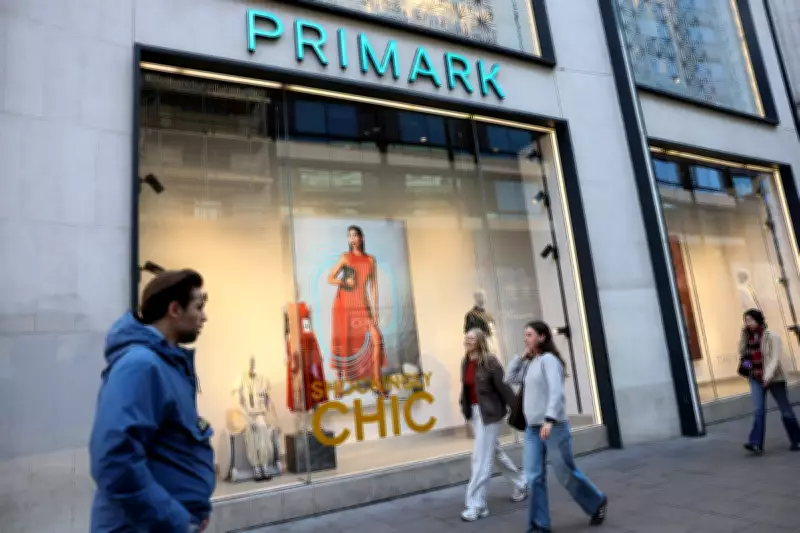
The imminent demerger of Primark from its parent company Associated British Foods represents one of the most significant corporate restructurings in recent British history. This separation could potentially determine the fate of the nation's beleaguered high streets, with the budget fashion chain positioned as an essential component for any retail recovery.
The Historic Demerger Announcement
Associated British Foods has confirmed plans to spin off Primark in what will rank among the largest demergers ever witnessed in British corporate circles. The move will dismantle one of the United Kingdom's most substantial consumer businesses, liberating the 'maximum joy, minimum cost' retailer to operate independently after decades under the ABF umbrella.
This separation has been anticipated for years within financial circles, though the Weston family—billionaire controllers of ABF—consistently dismissed such speculation with firm denials. Their considerable influence within the City of London allowed them to quieten demands for the spin-off, particularly since the unusual conglomerate model somehow proved functional despite its inherent contradictions.

An Unlikely Corporate Marriage
The corporate structure always presented an odd combination, even during Primark's formative years. Fashion retail found itself bundled alongside sugar production, Ovaltine beverages, Twinings Tea, Kingsmill bread, and AB enzymes—a grouping so improbable that nobody would conceive of creating it from scratch today.
With Primark's anticipated valuation reaching approximately £13 billion, the retailer has undeniably reached a stage where autonomy becomes essential. The chain requires dedicated leadership, independent governance structures, and the operational agility demanded by the rapidly evolving fashion industry.
Primark's Pivotal High Street Role
Within the retail landscape, Primark has long since displaced Marks & Spencer as the anchor tenant for shopping centres and retail parks. More significantly, it has become a fundamental component of whatever remains viable within Britain's traditional high streets.
If these commercial thoroughfares harbour any genuine hope of revitalisation—and considerable scepticism exists regarding such prospects—Primark must necessarily play a central role in that recovery. The alternative scenario presents a bleak outlook: a bricks-and-mortar business that currently promotes click-and-collect services might eventually introduce home deliveries while simultaneously reducing its physical retail footprint. Such developments would signal disaster for high street viability.
Ethical Positioning and Market Competition
Fast fashion inevitably raises ethical and environmental concerns, yet Primark occupies a distinct position within this controversial sector. Unlike competitors such as Shein—which faces allegations regarding worker exploitation, environmental damage, and tax avoidance—Primark maintains physical stores that provide employment opportunities for young people and contribute to local economies.
Primark has undertaken commendable initiatives, including developing accessible clothing ranges without implementing the cynical price inflation often associated with adaptive fashion lines. This practical approach to inclusivity contrasts sharply with practices observed elsewhere in the industry.
Operational Challenges and Leadership
The path forward contains significant obstacles for the newly independent entity. Recently appointed CEO Eoin Tonge confronts the dual challenge of stabilising Primark's operations while simultaneously contributing to high street regeneration. George Weston, CEO of ABF and scion of the controlling family, highlighted these difficulties during the demerger announcement, which coincided with the group's interim results.
Those financial disclosures revealed only modest growth for Primark—approximately one percent when excluding contributions from new store openings. The retail environment remains intensely competitive, with further complications arising from ongoing Middle Eastern conflicts and their consequent economic repercussions.

The Critical Importance of Footfall
High street survival fundamentally depends upon customer footfall. Local councils would be well advised to engage directly with Primark store managers, inquiring what specific measures would attract more shoppers through their doors. Potential solutions might include reducing parking costs, reconfiguring road layouts, or eliminating restrictive regulations and bylaws that hinder retail accessibility.
Failure to implement such supportive measures could prove catastrophic. If Primark's leadership examines their operational spreadsheets under the pressures of FTSE listing and finds the numbers unsatisfactory, communities risk losing their anchor tenant entirely.
Future Market Dynamics
Consumer behaviour patterns may shift in unexpected directions. While some traditional Primark shoppers might reduce their purchases as economic pressures intensify, the retailer could simultaneously attract new customer demographics—individuals who previously dismissed budget fashion but now find themselves compelled by financial necessity to reconsider their shopping habits.
The demerger ultimately represents more than merely corporate restructuring; it signifies a pivotal moment for British retail landscapes. Primark's independent future will substantially influence whether high streets can reclaim their former vitality or continue their gradual decline toward irrelevance.