Financial Support for Pubs and Music Venues Criticised as 'Wholly Inadequate'
Pubs and live music venues across England will receive a 15% reduction in their business rates bills starting this April, following intense pressure from the hospitality sector. The Treasury intervention aims to address warnings that tax changes announced in November's autumn budget would trigger widespread closures and significant job losses within the industry.
Mixed Reactions from Hospitality Leaders
While some pub operators have welcomed the measure, many hospitality bosses have described the financial support as "wholly inadequate" and expressed frustration that other businesses, including hotels, restaurants, and cafes, have been excluded from additional relief. The announcement has sparked a divisive debate about the government's approach to supporting Britain's struggling hospitality sector.
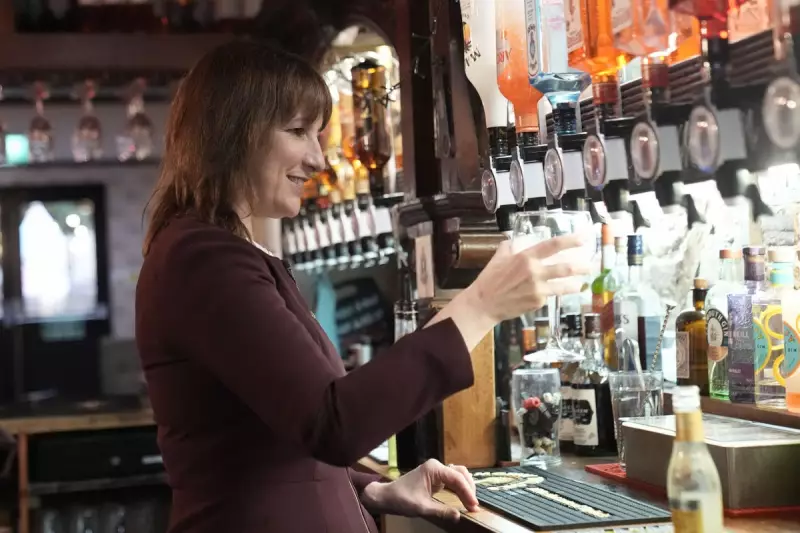
Chancellor of the Exchequer Rachel Reeves defended the targeted approach during a visit to the Goldsmith Arms pub in south-east London, where she poured drinks and engaged with publicans. "Pubs are different," she stated emphatically when questioned about why other hospitality operators wouldn't benefit from similar support.

"In the budget, we reformed how the business rates system worked and we put in £4.3 billion to support businesses as we start to unwind the pandemic era support, and that's the right thing to do because that pandemic support can't continue forever," Reeves explained. "But we recognise that after the pandemic, valuations of many pubs have increased sharply and that's put pressure on pubs."
Industry Concerns and Government Response
Treasury minister Dan Tomlinson confirmed that property tax bills for pubs and music venues in England will be reduced by 15% during the 2026/27 financial year, with rates then being "frozen in real terms" for the subsequent two years. This support package is estimated to be worth approximately £1,650 for the average pub next year.
"This decision will mean that the amount of business rates paid by the pub sector as a whole will be lower in 2028/29," Tomlinson stated. "It will also apply to music venues too. Many are valued as pubs and it would not be right to draw the line."
Voices from the Hospitality Sector
The announcement has drawn contrasting responses from industry leaders. Dom Jacobs, founder and managing director of the Ardent Pub Group in London, offered particularly scathing criticism: "Rachel Reeves' latest U-turn may be welcome, but it is wholly inadequate. Hospitality continues to shoulder an excessive tax burden, and this half-measure does nothing to change that. Instead of backing a sector capable of delivering real growth and jobs, the government has once again missed the mark, a failure that will inevitably push many brilliant publicans out of business."
Steve Perez, who operates the Casa Hotel and Peak Edge Hotel near Chesterfield, Derbyshire, echoed these concerns while highlighting the exclusion of other hospitality businesses. "One of our sites is seeing its business rates going up by 45%, another by 115%. It's completely unfair," he told the Press Association. "Hotels and restaurants employ large numbers of people but make very little money so should also be eligible for support."
In contrast, Jonathan Neame, chief executive of pub firm and brewer Shepherd Neame, struck a more positive note: "I think I have been among the Government's harshest critics but it is good to see they have listened to concerns and come up with a sensible level of rates. It will take the pressure off a little bit and make a significant difference for our pub tenants."
Background and Wider Implications
The Treasury's intervention follows mounting backlash from industry leaders and MPs over impending tax increases. Dozens of Labour MPs, including Chancellor Rachel Reeves herself, have reportedly been barred by pub landlords in response to November's autumn budget announcements.
That budget introduced changes to business rates that included a lower multiplier for calculating commercial property tax. However, this was more than offset by the removal of a Covid-era 40% discount for hospitality, leisure, and retail businesses, combined with new property valuations that significantly increased tax liabilities for many establishments.

Industry bodies UKHospitality and the British Beer and Pub Association had warned that without government intervention, pub business rates bills would increase by an average of 15% (approximately £1,400) this April, with projections suggesting an average rise of 76% (around £7,000) by the 2028/29 financial year.
The government has also committed to reviewing the methodology used for assessing hotel property values, with hotel businesses facing potential rate increases of 115% over the next three years. Additionally, plans have been confirmed to publish a new high street strategy aimed at supporting town and city centres.
It is important to note that business rates are devolved matters in Scotland, Wales, and Northern Ireland, meaning these measures apply specifically to England.