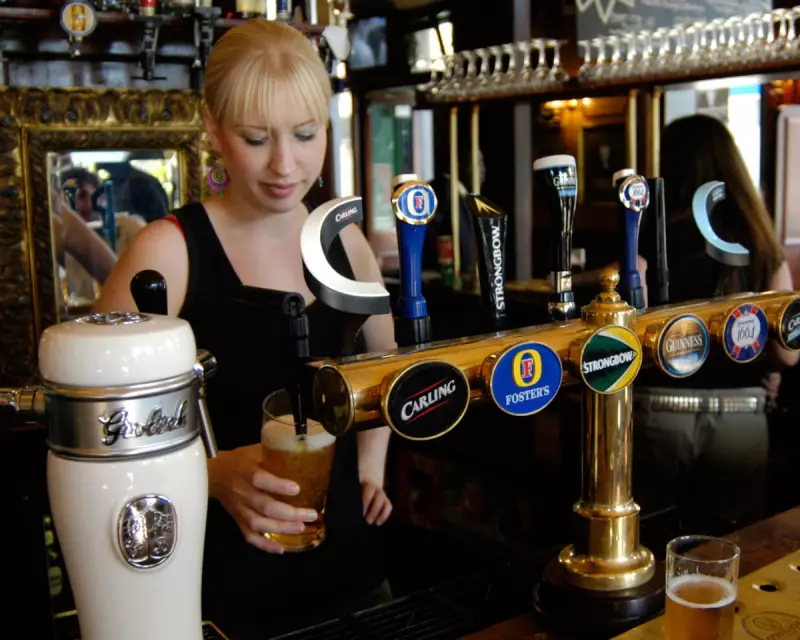
Pubs across England and Wales are set to receive a significant financial boost as Chancellor Rachel Reeves prepares to announce a support package worth approximately £100 million annually. This move comes in direct response to widespread industry outcry over controversial changes to business rates, which have placed immense pressure on the sector.
Addressing the Financial Burden on Pubs
The chancellor is expected to reveal the relief package on Tuesday, following admissions from officials that the full financial impact of the business rates shake-up had not been anticipated. The changes, initially announced in the late November budget, have sparked fears of widespread pub closures and substantial job losses throughout the country.
Final details of the support measures were still being finalised as of Monday night, but sources indicate the package will specifically target pubs rather than the broader hospitality industry. This targeted approach reflects the government's recognition of the unique challenges facing traditional British pubs.

Industry Pressure and Government Response
Pubs have been vocal about their struggles with escalating costs, including rising business rates alongside increased staff expenses, higher employer national insurance contributions, minimum wage increases, and soaring energy bills. These financial pressures have created what industry representatives describe as a perfect storm for many establishments.
Recent analysis of government statistics reveals the severity of the situation, with one pub closing permanently each day in England and Wales last year. The overall number of pubs, including those vacant and available for lease, declined from 39,989 to 38,623 between 2024 and 2025.
Limited Scope of Support
While the government has moved to reform pub licensing rules, including provisions for extended operating hours, there are no plans to reduce VAT rates on alcoholic beverages. Furthermore, the support package appears exclusively focused on pubs, despite lobbying from the wider hospitality sector for similar relief measures.
Speaking at the World Economic Forum in Davos last week, Chancellor Reeves explained this selective approach: "I do recognise the particular challenge that pubs face at the moment, and so have been working with the sector over the last few weeks to make sure that the right support is in place. I think the situation the pubs face is different from other parts of the hospitality sector."
Business Rates Controversy
The current crisis stems from the first property revaluations since the pandemic, which took effect in April. Although the budget included a £4.3 billion support package intended to offset the end of COVID-19 relief schemes, this has proven insufficient to counter substantial increases in property tax bills.
Transition relief caps were designed to phase in rate increases over several years, but industry leaders argue that the third-year hike remains unaffordable for many businesses. According to UKHospitality, pubs across the UK face an average 76% increase in business rates over the next three years, while hotels anticipate an average 115% rise.
Differing Perspectives on High Street Policy
Not all business leaders share the hospitality industry's concerns about business rates reform. James Daunt, chief executive of Waterstones, recently defended the government's approach, describing the changes as "sensible" and noting benefits for shops in struggling areas.
This divergence of opinion highlights the complex balancing act facing policymakers as they attempt to support traditional businesses while implementing broader economic reforms. The forthcoming £100 million package represents the government's attempt to address what it perceives as a specific crisis within the pub sector, though questions remain about long-term solutions for the hospitality industry as a whole.