The familiar sight of Red Robin's welcoming signage is disappearing from several American communities as the burger chain executes another wave of permanent restaurant closures. This latest round of shutdowns follows the company's previously announced "Operation North Star" initiative, a drastic cost-reduction strategy that initially targeted 70 locations for closure.
A Sudden Farewell in Multiple States
Patrons arriving at their local Red Robin restaurants in recent days have been met with unexpected closure notices. In Illinois, a shuttered location displayed a poignant message to customers: "Attention all respected guests: thank you for being here. We are better for you being here." The note continued, "We are all disappointed in this news and hope to see you at another one of our locations really soon," before signing off with a nostalgic reference to the chain's famous offering: "Thank you for the bottomless memories."
These closures aren't isolated to Illinois. The same day saw the permanent shuttering of a Folsom, California restaurant, while a Clifton, New Jersey location has also ceased operations for good. This nationwide pattern suggests the company is continuing to streamline its physical footprint despite some recent financial improvements.

The North Star Plan: A Desperate Turnaround Strategy
The current closures trace back to late 2024 when Red Robin confirmed plans to close 70 locations as part of what the company termed the "North Star plan." This aggressive restructuring was designed to stem significant financial losses and bring customers back to remaining restaurants. The initiative appears to have yielded some positive results, with the company reporting a dramatic reduction in losses compared to previous periods.
According to financial disclosures, Red Robin posted net losses of $18.4 million in the third fiscal quarter of 2025. While still substantial, this represented a marked improvement from the $37.8 million loss reported during the same period in 2024. During the first three quarters of 2025, the company generated just under $1 billion in revenue ($941.2 million), with total losses for that period reaching $13.2 million.
A Partial Reversal and Ongoing Adjustments
Interestingly, following the initial success of Operation North Star, Red Robin confirmed it had reversed part of the plan to close all 70 originally targeted locations. The improving financial picture meant some restaurants were removed from the closure list, with the possibility that even more might be spared as conditions continued to stabilize.
Dave Pace, CEO and President of Red Robin, attributed the brand's improving fortunes to several factors in a company press release. He highlighted the impact of the Big YUMMM promotional deal and noted that the fast-casual company had successfully streamlined its operations. "While we're still in the early innings of our transformation," Pace stated, "the progress across all pillars of our First Choice plan gives me tremendous confidence that we're on the right track to make Red Robin the first choice for guests, team members, and investors."
Competitive Pricing and Menu Innovations
Central to Red Robin's recovery strategy is the recently relaunched Big YUMMM promotion, which features entrees and specials priced as low as $9.99. This pricing initiative is specifically designed to align the cost of in-store meals with cheaper drive-thru alternatives, addressing one of casual dining's persistent competitive challenges.
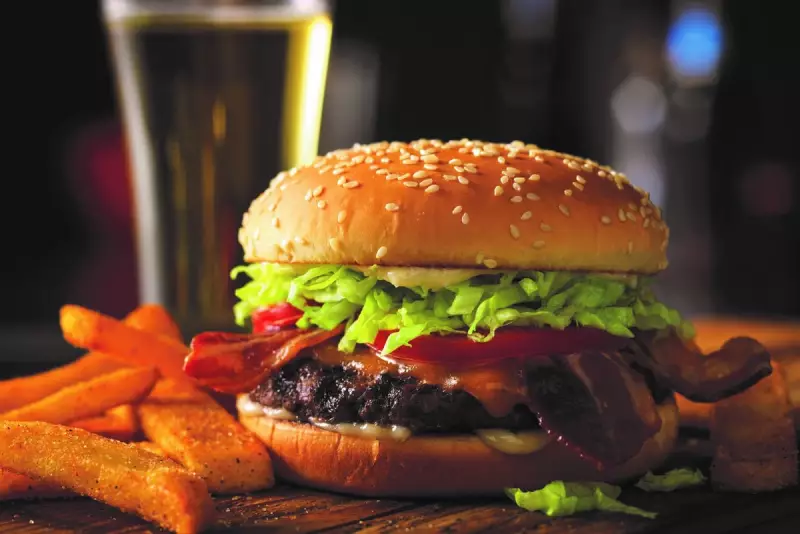
The promotion includes fan-favorite items like the Classic Crispy Chicken Sandwich alongside new offerings such as the Cowboy Ranch Burger. Notably, the deal also incorporates Red Robin's signature bottomless side dishes and beverages, maintaining the unlimited offerings that have long defined the chain's dining experience.
A Legacy Brand Adapting to Modern Challenges
Red Robin's current struggles come despite the brand's deep roots in American dining culture. The company has been serving burgers since the 1940s, beginning as a small chain called Sam's Tavern. The establishment eventually became known as Sam's Red Robin Tavern before dropping "Sam" from its name in the 1960s, evolving into the national chain familiar to millions of Americans today.

As the casual dining sector continues to face significant headwinds from changing consumer habits, economic pressures, and intense competition from fast-casual and quick-service restaurants, Red Robin's ongoing restructuring represents a critical effort to preserve a decades-old brand. The permanent closure of additional locations, even amid some financial improvement, underscores the persistent challenges facing traditional sit-down restaurant chains in today's rapidly evolving dining landscape.