The collapse of heritage footwear retailer Russell & Bromley into administration, despite its prestigious royal connections, has sent shockwaves through the British retail sector. The brand, founded in 1873 and long associated with upmarket high streets from Bond Street to affluent market towns, has been rescued in a £2.5 million deal by retail giant Next. This development prompts serious questions about whether even the powerful "Kate effect" – the sales boost driven by the Princess of Wales's patronage – can protect traditional brands from the existential threats facing physical retail.
The Royal Seal of Approval Loses Its Shine
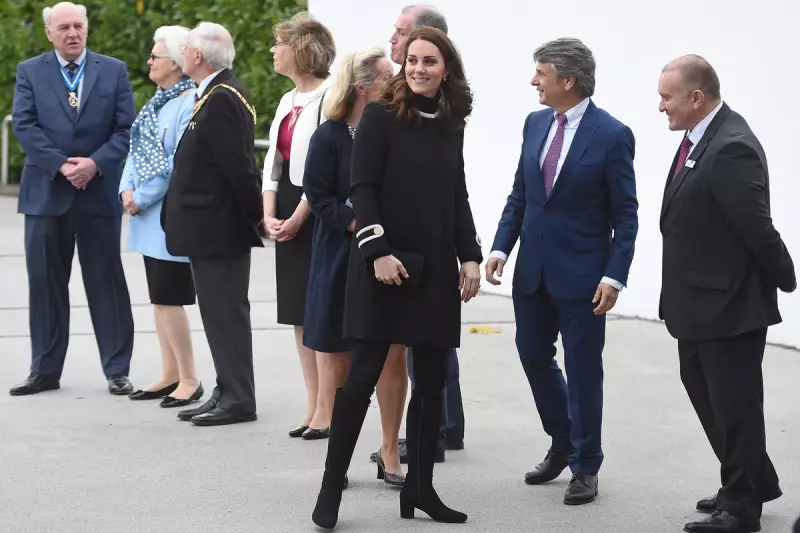
For years, Russell & Bromley enjoyed what many considered the ultimate marketing advantage: the endorsement of Catherine, Princess of Wales. During her early years in public life, she was frequently photographed wearing the brand's stylish knee-high boots and riding jodhpurs, creating instant demand. Specific styles, like the Zipkin boots, saw sales skyrocket by an astonishing 663 percent after being worn by the princess. Even Queen Camilla was spotted wearing the brand's biscotti knee-highs during an official visit to Canterbury last year.
Yet, despite this royal seal of approval, the family-owned business has succumbed to the same pressures that have claimed Cath Kidston, FatFace, Joules, and numerous other high-street names. The brand's administration raises a critical question: are changing consumer tastes diminishing the influence of royal fashion cues, or does this signal a deeper, more systemic shift in how Britons shop for fashion?

Next's Strategic Acquisition: A New Chapter
Simon Wolfson, the highly regarded chief executive of Next, has secured the Russell & Bromley brand and its intellectual property for what industry observers describe as "a song." The £2.5 million deal, plus an additional £1.3 million for stock, represents another strategic move in Next's successful roll-up of distressed retail brands. The company plans to retain key stores on Bond Street, in Chelsea, and at Bluewater – locations where affluent clientele remain somewhat insulated from economic pressures and continue to enjoy boutique shopping experiences.
Wolfson stated that Next intends to "provide the operational stability and expertise to support Russell & Bromley's next chapter," focusing on its core mission of designing premium footwear and accessories. However, this rescue comes at a human cost, with approximately 400 job losses expected, predominantly from shop floors across the brand's 33 stores.
The Broader Retail Landscape: Wolfson Versus Ashley
Wolfson's approach contrasts sharply with other retail acquirers, most notably Mike Ashley's Fraser's Group. While Ashley has assembled a sprawling portfolio including House of Fraser, Jack Wills, Evans Cycles, and heritage sportswear labels like Slazenger and Lonsdale, Wolfson has pursued a more discerning strategy. Next's targeted acquisitions appear carefully selected to complement its existing business model, whereas Fraser's Group has been described by some analysts as an "odd-looking patchwork quilt" since Ashley's son-in-law, Michael Murray, took over as CEO.
Next's consistent performance in a turbulent market remains one of UK retail's most impressive stories. The retailer successfully sells everyday clothing at non-essential price points – with cheaper alternatives available at Primark and Tesco – yet continues to attract customers in impressive numbers. This operational excellence gives Wolfson a significant advantage in integrating new acquisitions.
Will the 'Kate Effect' Survive the Corporate Takeover?
A crucial uncertainty surrounds whether Russell & Bromley's upscale clientele will remain loyal now that the brand is no longer family-owned. The loss of that exclusivity and its absorption into Next's corporate empire might alienate some traditional customers who valued its heritage and independence. However, the brand's products are not so prohibitively expensive that they couldn't attract a segment of Next's existing customer base.

Most industry watchers suspect that the majority of shoppers will either not notice the change in ownership or will quickly adapt. The enduring appeal of the designs, coupled with Next's robust distribution and marketing capabilities, could well sustain the brand. Wolfson will undoubtedly be hoping that the 'Kate effect' retains its magic for years to come, providing a valuable halo for Russell & Bromley's next chapter under its new corporate parent. Soon, those luxury shoes and boots with their distinctive city smarts and country appeal will likely be arriving on shoe racks in Next stores nationwide, testing whether royal allure can thrive in a mass-market retail environment.