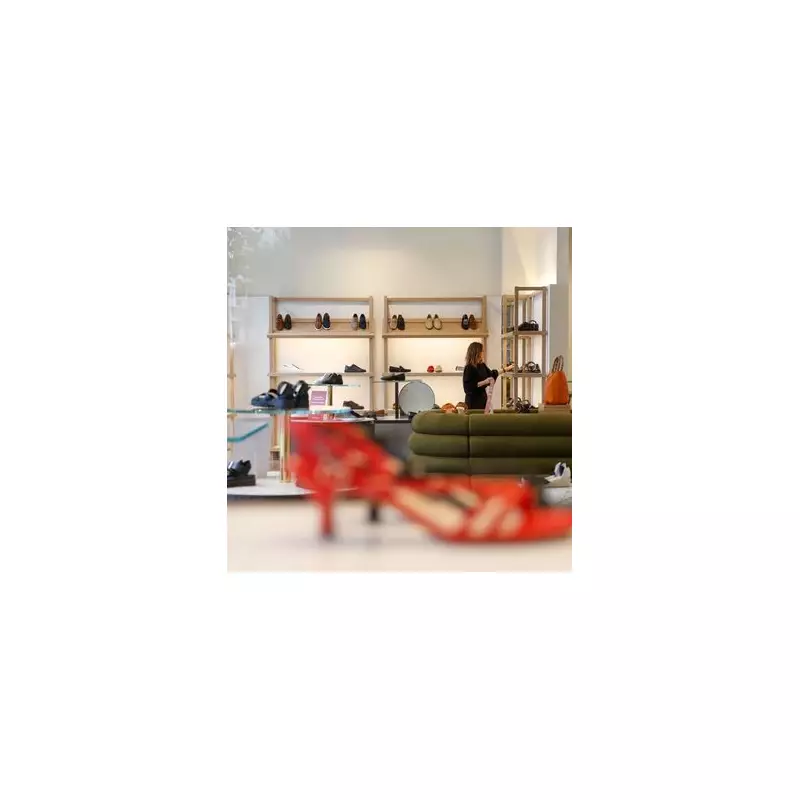
In a significant development for the UK's retail landscape, luxury footwear brand Russell & Bromley is set to close its first physical store following its acquisition by high street giant Next. The move comes as part of a broader restructuring that leaves the future of dozens of other shops hanging in the balance.
Next's Strategic Acquisition and Store Portfolio
Next successfully purchased Russell & Bromley out of administration in a deal valued at millions of pounds. The retail behemoth paid £2.5 million to secure the brand and its intellectual property rights, along with an additional £1.3 million for a portion of the existing stock inventory. However, this transaction did not encompass the chain's entire network of physical locations.
Out of the 36 Russell & Bromley stores currently operating, Next has opted to acquire only three prime retail sites. These include the Bluewater shopping centre location, along with the prestigious Chelsea and Mayfair outlets in London. This selective approach has raised questions about the fate of the remaining 33 stores across the United Kingdom and Ireland.

Exeter Store Closure and Clearance Sale
The first casualty of this restructuring has emerged on Exeter High Street, where the Russell & Bromley branch is now displaying prominent "everything must go" signage in its windows. According to local reports from Devon Live, the store has begun offering discounts of up to 20% on selected items as part of a stock clearance initiative.
While the exact closure date for the Exeter location remains unspecified, the presence of clearance promotions strongly indicates an imminent shutdown. This development marks the beginning of what could be a substantial reduction in the brand's physical retail presence across the country.
Administrators Assess Remaining Locations
The administrators overseeing Russell & Bromley's affairs have confirmed they are actively evaluating options for the stores not included in Next's acquisition. These 33 locations continue to trade normally for the time being, but their long-term viability remains uncertain.
The stores at risk span numerous prominent locations including:
- Bath, Somerset
- Belfast, Northern Ireland
- Birmingham, West Midlands
- Brighton, East Sussex
- Cambridge, Cambridgeshire
- Edinburgh, City of Edinburgh
- Glasgow, Glasgow City
- Leeds, West Yorkshire
- Manchester, Greater Manchester
- Oxford, Oxfordshire
Additionally, several outlet stores and concessions face an uncertain future, including locations in Ashford, Cheshire Oaks, Gunwharf Quays Portsmouth, and Swindon, along with multiple Fenwicks department store concessions across England.
Company Heritage and Leadership Statements
Russell & Bromley boasts a rich heritage dating back to 1880 when it was founded by George Bromley and Elizabeth Russell in the coastal town of Eastbourne. The company currently employs more than 450 staff members and remains under the leadership of Andrew Bromley, who serves as chief executive.
In an official statement regarding the acquisition, Next expressed their commitment to preserving the brand's legacy: "This acquisition secures the future of a much-loved British footwear brand. Next intends to build on this legacy and provide the operational stability and expertise to support Russell & Bromley's next chapter, allowing it to return to its core mission: the design and curation of world-class, premium footwear and accessories for many years to come."
Andrew Bromley addressed the difficult decision to sell the family business: "Following a strategic review with external advisers, we have taken the difficult decision to sell the Russell & Bromley brand. This is the best route to secure the future for the brand, and we would like to thank our staff, suppliers, partners and customers for their support throughout our history."
Broader Implications for UK Retail
This development reflects ongoing challenges within the UK's retail sector, where traditional brick-and-mortar stores continue to face significant pressures. The selective nature of Next's acquisition—focusing on prime locations while leaving numerous other stores vulnerable—highlights the strategic shift toward quality over quantity in physical retail portfolios.

As administrators continue their assessment of the remaining 33 stores, employees, customers, and local communities await further announcements regarding potential closures, relocations, or alternative solutions for these retail spaces. The Exeter closure serves as a tangible indicator of the changes underway for this historic British footwear brand under its new ownership structure.