You might have a small fortune sitting unnoticed in your pocket or purse right now. A particular 50p coin, minted over a decade ago, could be worth hundreds of pounds to collectors, and thousands of them are believed to still be in general circulation across the United Kingdom. The challenge is knowing how to spot this hidden gem among your everyday change.
The Hunt for the Kew Gardens 50p
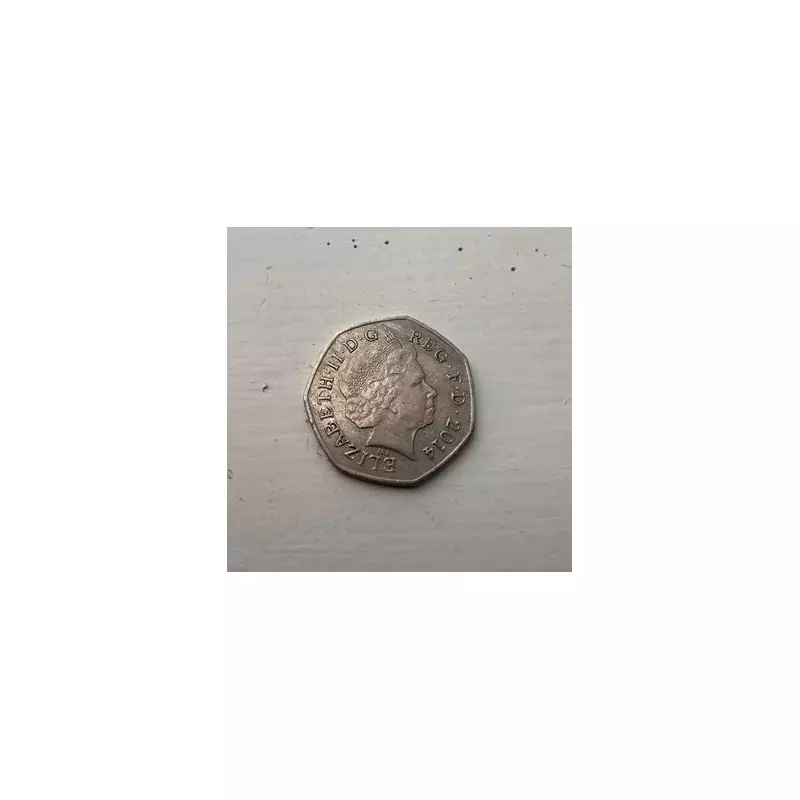
Coin collectors and enthusiasts are constantly advised to scrutinise their loose change for rare and valuable pieces. While the title of the rarest 50p in circulation currently belongs to the 2023 Atlantic Salmon coin—with a mintage of just 200,000—another coin remains highly prized and sought-after. This is the Kew Gardens 50p, first issued in 2009, which continues to command significant value due to its extreme scarcity and historical significance.
Why is the Kew Gardens 50p So Valuable?
The coin was created to commemorate the 250th anniversary of the Royal Botanic Gardens, Kew. Its enduring value stems primarily from its remarkably low production number. Only 210,000 of these coins were ever minted for circulation, making them exceptionally rare finds today. For years, it held the crown as the rarest circulating 50p, only recently being surpassed by the Atlantic Salmon issue. However, its desirability among numismatists has not diminished.

Expert commentary from popular social media channels underscores its worth. The Coin Collector UK, a TikTok account with over 227,000 followers, recently highlighted the coin's ongoing appeal. In a video, they noted it as the "most valuable 50p" in circulation, with an estimated market value ranging between £120 and £150. The account's caption elaborated, stating its desirability yields a value of £130 or more, firmly cementing its status as a premium find for any collector.
Practical Steps to Find the Coin
If you're keen to start the search, there are several effective methods to track down a Kew Gardens 50p:
- Check Your Change Diligently: The simplest method is to routinely examine all 50p coins you receive in everyday transactions. While it requires patience, this hands-on approach has led many to discover valuable coins in their own possession.
- Visit Reputable Coin Dealers and Online Marketplaces: Established coin dealers and platforms like eBay can be sources for purchasing the coin. However, it is crucial to verify authenticity thoroughly and remain vigilant against potential scams or counterfeit items.
- Participate in Coin Hunts and Swaps: Engaging with local coin collecting clubs, attending dedicated events, or joining online forums can provide opportunities to swap, buy, or sell rare coins within a knowledgeable community.
Key Features to Authenticate a Genuine Coin
Identifying a real Kew Gardens 50p is essential to avoid fakes. Here are the definitive characteristics to look for:
- Distinctive Design: The reverse side features an intricate depiction of the Great Pagoda at Kew, accompanied by a winding vine and the word "Kew" at the base. The dates "1759" and "2009" are also present.
- Queen's Portrait Alignment: On the obverse side, the portrait of Queen Elizabeth II should be correctly oriented. Specifically, the neckline of the Queen's portrait should align precisely with the letter 'P' in the word 'Pence'.
- Accurate Weight: A genuine cupronickel Kew Gardens 50p coin should weigh exactly 8 grams. Using a precise scale can help confirm this.
- Appropriate Texture and Wear: For a circulated coin, expect some natural wear and tear. Be suspicious of coins that appear overly polished or have a mirror-like finish, as these could indicate a counterfeit unless they are verified proof versions.
Always exercise caution, as the coin's high value has unfortunately led to the production of counterfeits. Scrutinising the fine details against these benchmarks is your best defence. Remember, with only 210,000 ever released into circulation, every genuine find is a significant and valuable discovery for any collector or lucky individual checking their change.