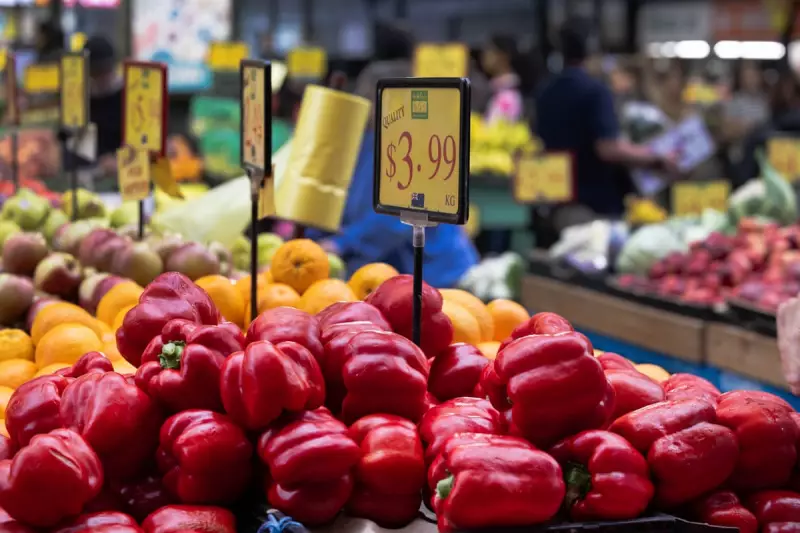
Supermarkets across the United Kingdom are increasingly adopting a pricing strategy for fresh produce that charges customers by the item rather than by weight, a move that new analysis reveals is causing "wild volatility" in costs. This shift has been labelled a "massive transparency failure" for consumers, as it obscures true value and can lead to price discrepancies exceeding 50%.
The Capsicum Paradox and Arbitrary Pricing Variations
A recent investigation, inspired by similar findings in Australia, compared per-item prices online with per-kilogram shelf prices for various fruits and vegetables. The results showed "completely arbitrary" variations, with some items significantly more expensive when priced individually. In a striking example dubbed the "capsicum paradox," green capsicums were found to be 51% more costly per item compared to their weight-based price, effectively charging nearly £15 per kilogram for a vegetable available at £9.90 per kilogram in-store.
How the Analysis Was Conducted
The analysis involved weighing multiple pieces of produce to determine average weights and then comparing these with online per-item prices from major retailers. Items like red washed potatoes, mandarins, limes, and carrots were all more expensive per piece, with potatoes seeing a 30% hike. Conversely, broccoli, onions, and tomatoes were cheaper per item, highlighting the inconsistent nature of this pricing approach.

Loopholes in Current Regulations
Under existing UK rules, supermarkets are permitted to price fruit and vegetables either "per each" or "per kilo," whether packaged or loose. This flexibility has created a significant loophole, allowing retailers to exploit pricing strategies without mandatory transparency. Consumer advocates argue that this lack of clarity prevents shoppers from making informed decisions about value for money.
Ian Jarratt from the Queensland Consumers Association, commenting on similar issues globally, emphasised that regulations should be amended to prioritise per-kilogram pricing. "To help shoppers make quick, easy, and accurate price comparisons, prices should be shown and charged per kilo," he stated. While some retailers provide unit pricing as a best practice, it remains non-mandatory, leaving consumers vulnerable.
Risks of Shrinkflation and Consumer Feedback
Analysts warn that per-item pricing could facilitate shrinkflation, where retailers source smaller produce pieces while maintaining the same price, further eroding value. Feedback from consumer groups like Choice has been mixed, with some shoppers appreciating the simplicity of per-item costs, while others demand consistency for better comparison.
Supermarket Responses and Government Stance
Major UK supermarkets, including chains like Tesco and Sainsbury's, have defended the practice, noting that per-item pricing caters to customer preferences, especially in online shopping where specific quantities are desired. A spokesperson for one retailer acknowledged "small discrepancies" but stated no plans to change in-store pricing methods.
The UK government has committed to reviewing consumer protection laws, with officials like Assistant Competition Minister Andrew Leigh asserting that "supermarket prices shouldn't be a guessing game." However, no specific reforms targeting per-item pricing have been announced, leaving the issue unresolved for now.
As this pricing strategy gains traction, calls grow for stronger regulations to ensure transparency and fairness, empowering UK shoppers to navigate supermarket aisles with confidence.