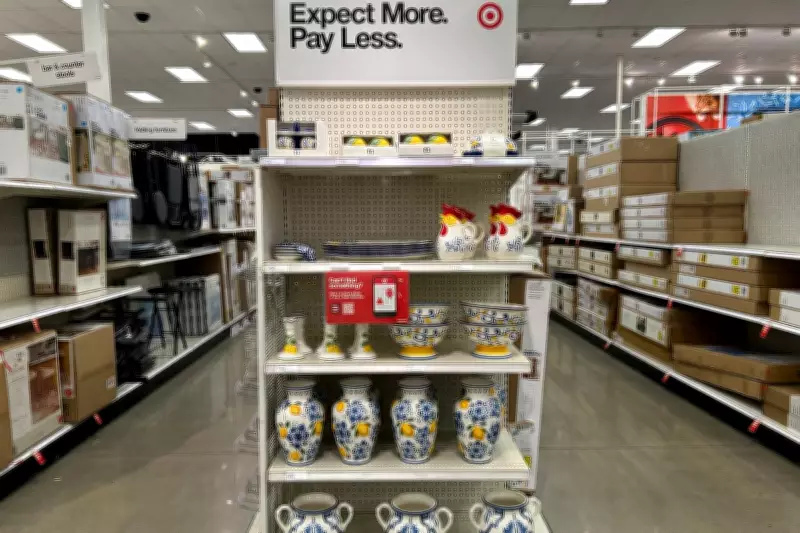
Target has reported another quarter of declining sales and profits, as the major discounter continues to grapple with persistent high inflation and ongoing shopper boycotts. The Minneapolis-based retailer revealed these figures on Tuesday, March 3, 2026, highlighting the challenges it faces in regaining its footing in a competitive market where consumers are contending with elevated prices across various sectors.
Financial Performance Details
For the three-month period ending January 31, Target earned $2.30 per share, which translates to $1.05 billion in profit. This represents a decrease from the year-ago period, when the company reported $2.41 per share or $1.10 billion. On an adjusted basis, earnings per share for the most recent quarter stood at $2.44.
Sales during this period fell by 1.5% to $30.45 billion. Over the full year, sales experienced a nearly 2% decline, totaling $104.78 billion. These results fell slightly short of analyst expectations, which had projected $2.16 per share on sales of $30.46 billion, according to a FactSet survey.

Positive Outlook and Market Reaction
Despite the downturn, Target offered a glimmer of hope by presenting a solid annual profit outlook that exceeded Wall Street projections. The company expressed confidence that net sales will grow in every quarter of this year, signaling potential recovery ahead.
Additionally, Target noted that comparable-store sales have begun to rise at the start of the current quarter, indicating early signs of improvement. This positive news prompted a significant market response, with shares jumping more than 4% before the opening bell on Tuesday.
Challenges and Strategic Moves
The retailer's struggles are attributed to a combination of factors, including sustained high inflation that has pressured consumer spending and targeted boycotts affecting shopper loyalty. Target's management is actively working to navigate these headwinds and restore growth momentum.
As the retail landscape evolves, Target's ability to adapt and leverage these green shoots will be crucial in determining its future performance and market position.