French Container Ship Makes Historic Passage Through Hormuz Strait
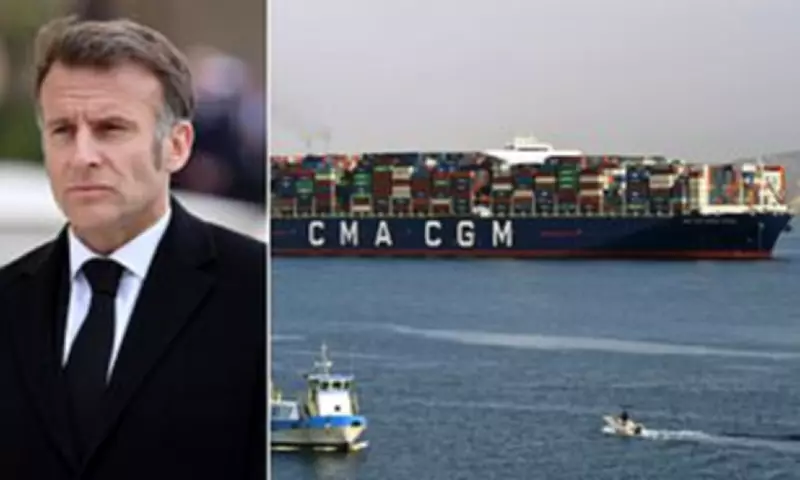
A French-owned container vessel has become the first Western ship permitted to transit the strategically vital Strait of Hormuz since the outbreak of the Iran war five weeks ago. The passage occurred just one day after French President Emmanuel Macron delivered a pointed critique of US President Donald Trump's approach to the escalating crisis.
Diplomatic Tensions Precede Breakthrough
The container ship, operated by the French shipping giant CMA CGM, successfully navigated the contested waterway yesterday. This development is particularly significant given that Tehran has repeatedly warned that the strait remains closed to what it terms 'enemy' vessels. The CMA CGM group is owned by Franco-Lebanese billionaire Rodolphe Saadé, who maintains close ties with President Macron.
The breakthrough followed a tense diplomatic exchange where President Macron urged his American counterpart to adopt a more serious stance regarding the blockade. "Perhaps you shouldn't talk every day," Macron advised Trump during their discussion about reopening the critical shipping lane.

Trump's Unwavering Rhetoric
President Trump appeared undeterred by Macron's counsel, returning to his characteristic boastful rhetoric on Friday. Using his Truth Social platform, the US leader declared: "With a little more time, we can easily OPEN THE HORMUZ STRAIT, TAKE THE OIL, & MAKE A FORTUNE. IT WOULD BE A 'GUSHER' FOR THE WORLD???" This statement marked a stark reversal from his position just twenty-four hours earlier, when he had called upon European nations to take the lead in resolving the crisis.
Broader Shipping Movements and Diplomatic Maneuvering
Alongside the French vessel, three additional ships from Omani firms and one Japanese vessel were also granted passage through the strait. France's Foreign Ministry has declined to comment on why these specific ships received clearance amid the ongoing blockade.
The United Nations Security Council had been scheduled to debate a resolution yesterday that would authorise military action to reopen the Strait of Hormuz. Drafted by Bahrain with support from Gulf Arab nations, the resolution was unexpectedly withdrawn following reports that France, China, and Russia had effectively blocked the motion. All three nations possess veto power on the Security Council and expressed opposition to any language authorising the use of force.
International Divisions and Global Consequences
Diplomatic sources revealed to the New York Times that divisions extended beyond the veto-wielding nations, with ten additional countries without veto power also expressing reservations about the proposed resolution. The United Nations has stated it will announce a new date for discussions "as soon as it is officially determined," but provided no further explanation for the postponement.
The economic implications of Iran's blockade continue to mount, with approximately one-fifth of global oil supplies typically passing through the Strait of Hormuz. This chokehold has contributed significantly to a worsening global economic downturn, prompting world leaders to intensify their search for solutions.
Ukrainian Offer of Assistance
In a notable development, Ukrainian President Volodymyr Zelensky yesterday offered his nation's expertise in breaking naval blockades, drawing parallels to Ukraine's experience in countering Russia's siege tactics. Zelensky suggested that reopening the strait would likely require drone interceptors, military convoys, and electronic warfare capabilities. "We stand ready to help with this," he assured allied nations, positioning Ukraine as a potential contributor to resolving the international shipping crisis.