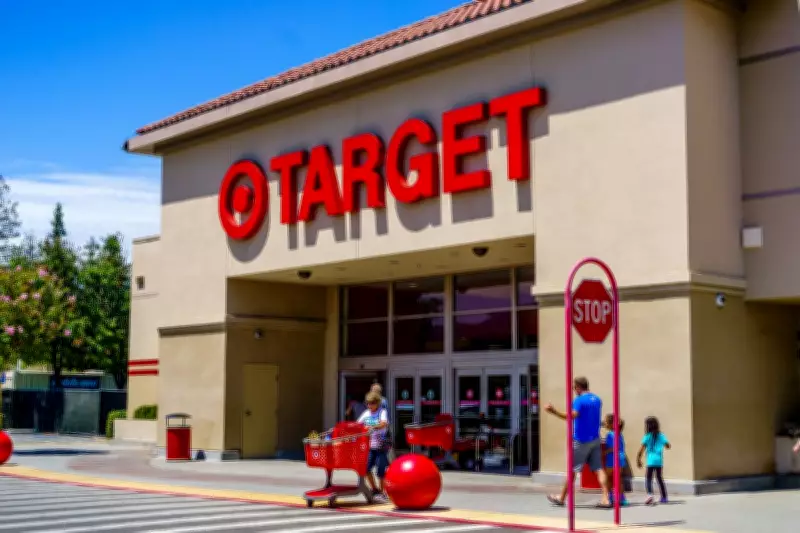
Target's Sales Decline Continues Amid Strategic Overhaul
American retail giant Target has reported another quarter of falling sales and profits, as the company battles to reconnect with consumers facing persistent inflationary pressures. Despite these challenges, the Minneapolis-based corporation provided a robust annual profit forecast that surpassed Wall Street expectations, triggering a pre-market share price increase exceeding 4 percent.
Financial Performance and Market Outlook
For the quarter ending January 31, Target recorded earnings of $2.30 per share, equivalent to $1.05 billion in net income. This represents a slight decrease from the $1.10 billion or $2.41 per share achieved during the same period last year. Adjusted earnings per share for the most recent quarter reached $2.44.
Sales declined by 1.5 percent to $30.45 billion in the latest reporting period. For the full fiscal year, sales dropped nearly 2 percent to $104.78 billion. These figures fell slightly below analyst projections of $2.16 per share on sales of $30.46 billion, according to FactSet surveys.

Comparable sales, which measure performance at established stores and digital channels, decreased by 2.5 percent. This follows a 2.7 percent decline in the previous fiscal quarter, marking the eleventh time in thirteen quarters that Target has reported either flat or negative growth in this crucial metric.
Leadership Transition and Strategic Challenges
The company's ongoing struggles highlight the substantial challenges confronting new Chief Executive Officer Michael Fiddelke, who assumed leadership last month following the departure of longtime CEO Brian Cornell. Fiddelke, a twenty-year veteran of the organization, is scheduled to unveil his comprehensive turnaround strategy during Target's annual meeting in Minneapolis.
Investors are eagerly anticipating a revival of Target's former market dominance in affordable chic merchandise, which historically earned the retailer the affectionate nickname "Tarzhay" among loyal customers.
Fiddelke inherits leadership during a particularly turbulent period. Target's headquarters city of Minneapolis has become a focal point in former President Donald Trump's campaign against illegal immigration, with some store locations emerging as flashpoints in protests against U.S. Immigration and Customs Enforcement operations. The corporation has faced mounting pressure to publicly address these immigration enforcement controversies.
External Pressures and Competitive Landscape
Beyond immigration-related conflicts, Target has confronted organized protests and consumer boycotts following its decision to scale back diversity, equity, and inclusion initiatives. Critics argue this represents a betrayal of the company's longstanding philanthropic commitments to addressing racial disparities and promoting progressive values, particularly within its liberal-leaning home market.
These challenges unfold against a volatile economic and political backdrop intensified by aggressive trade policies. Although inflation rates have moderated recently, consumer prices have surged approximately 25 percent over the past five years, creating financial strain for American households.
Target also faces intensifying competition from retail rival Walmart, which has expanded its focus on fashion categories and other merchandise segments. As inflation prompts many consumers to seek more affordable alternatives, Walmart has captured additional market share, including among households with annual incomes exceeding $100,000.
Operational Changes and Brand Initiatives
According to internal communications from February, Fiddelke has already implemented significant organizational changes, including leadership restructuring, increased investment in in-store staffing, and reductions at distribution facilities and regional offices.
The company is revitalizing its private label offerings, including the Threshold home goods brand, and has announced a merchandise collaboration with Roller Rabbit, known for its 1960s-inspired designs and vibrant patterns. This limited-edition collection of clothing, sleepwear, and accessories will debut at Target stores this month.

Positive Indicators and Future Projections
Despite the overall sales decline, Tuesday's report contained several encouraging signals. Target noted accelerating sales and customer traffic during the final two months of the quarter, with particular strength in food and beverage, beauty, and toy categories.
The retailer forecasts net sales growth of 2 percent for the current fiscal year, projecting revenues of approximately $106.88 billion. This slightly exceeds analyst expectations of $106.7 billion. Target anticipates full-year earnings per share between $7.50 and $8.50, compared to analyst projections of $7.30 per share according to FactSet surveys.
Industry analyst Joe Feldman of Telsey Advisory Group suggests that consumer boycotts related to DEI policy changes and immigration stance have impacted sales performance. However, he notes that Fiddelke appears committed to implementing operational improvements that could strengthen the company's market position moving forward.