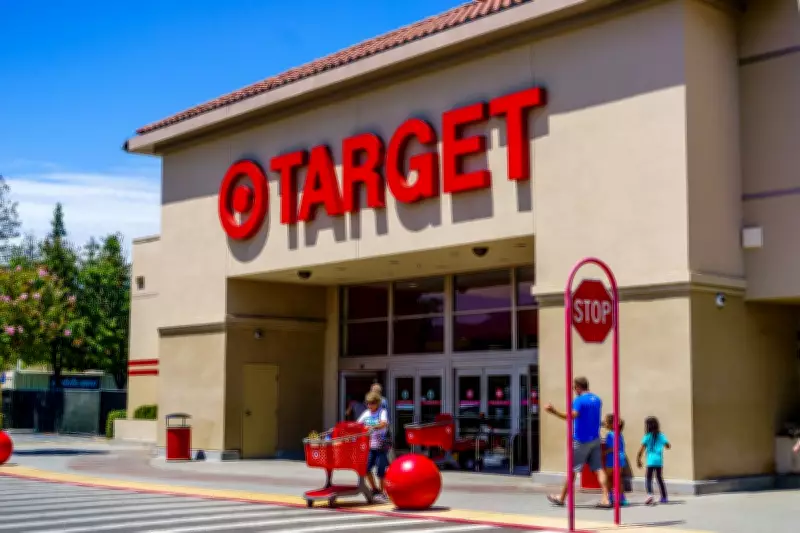
Target's Inventory Loss Drops to Pre-Pandemic Levels, Potentially Easing Theft Crisis
Target has announced that its "shrink"—an industry term for lost inventory often attributed to shoplifting—has returned to pre-pandemic levels, according to a recent report. This development could signal an end to the rampant theft spree that has troubled retailers across the United States in recent years.
Understanding Shrink and Its Impact
Shrink measures the discrepancy between a store's recorded inventory and the actual stock on shelves. Causes include theft, damaged items, human data entry errors, and vendor issues. At the peak of the COVID-19 pandemic's supply chain crisis, Target executives revealed that shrink would slash the company's 2022 profits by a staggering $600 million.
Target Chief Financial Officer Jim Lee highlighted this improvement during the company's annual investors day on March 3, stating, "The reduction of shrink was a testament to the great work of our team, along with the industry and community efforts to combat retail theft across the country."

Broader Retail Trends and Contributing Factors
Target is not alone in witnessing a decline in shrink. Independent retail consultant Brand Elverston told the Minnesota Star Tribune, "Shrink has been going down for at least the last year across all major retailers, and everybody's high-fiving. But the most significant contributor is inventory predictability and stability."
Elverston noted that theft often receives disproportionate blame because it's "sexy and gets all the attention," but losses are likely split between theft and operational errors. Post-pandemic, many retailers faced severe shoplifting incidents, leading some to lock items in cases—a move that frustrated shoppers with delays and inconvenience.
Pandemic-Era Challenges and Inventory Management
Large-scale supply chain disruptions during the pandemic, including unpredictable shipping timelines, forced retailers to overorder inventory to prevent shortages. By 2022, companies like Target suddenly had excess stock, with Target reporting a 43 percent inventory increase from the previous year, prompting price cuts.
"Target was not alone in that challenge," Elverston explained. "Everybody was under inventory management pressure that they had never experienced before. But when inventory levels go up, you exponentially increase your risk for whatever your sources of shrink are."
Current Outlook and Future Plans
Now, Target has emerged from this struggle, entering 2026 "with healthy underlying margin rates and appropriate inventory levels across our assortment," according to CFO Jim Lee. It remains unclear whether Target directly attributes lower shrink levels to reduced thefts, and The Independent has reached out for further clarification.
This news comes as Target reports another quarter of declining sales and profits, with customers grappling with widespread price increases. New CEO Michael Fiddelke recently told the Associated Press that the company plans to invest billions to boost sales and restore its image as a fun shopping destination for clothing and other products.
Despite these challenges, Target is pushing forward with expansion, planning to open over 30 new stores in the U.S. this year—including its 2,000th location—and aiming for 300 new stores by 2035. However, potential factors like tariffs and price hikes could threaten to reverse the recent shrink improvements, according to the report.