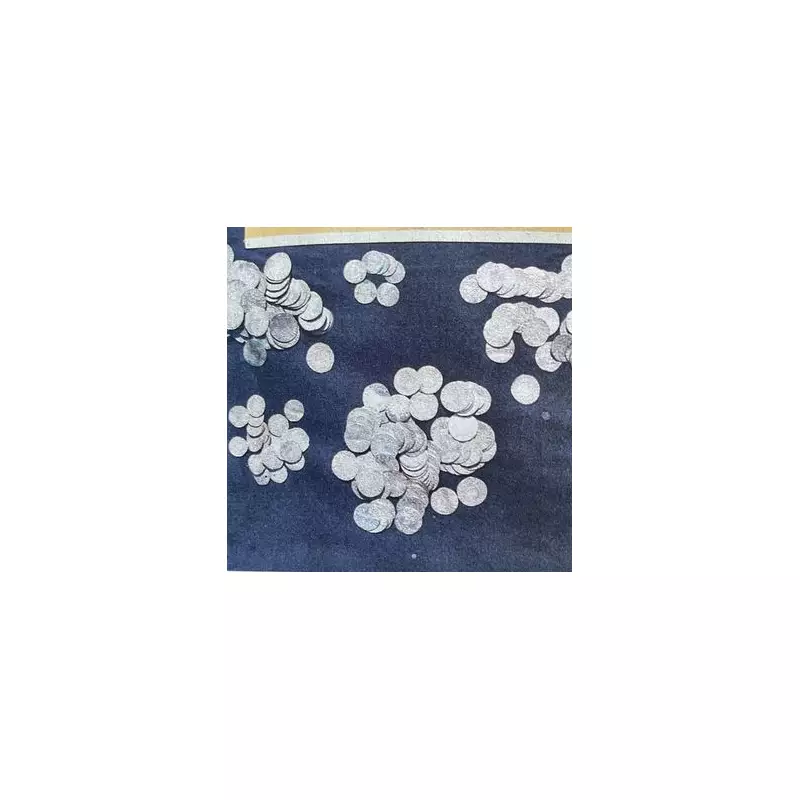
A Dorset pensioner is poised to receive a substantial windfall after builders unearthed a remarkable hoard of Tudor-era silver coins beneath his driveway more than two decades ago. The collection of approximately 200 coins, predominantly from the reign of Henry VII, is now heading to auction with expectations of fetching around £30,000.
Builder's Surprise Discovery Leads to Historic Find
Peter Gray, a 79-year-old retired international bank inspector living near Blandford Forum, first learned about the discovery when construction workers were removing a parking area at his Grade II-listed cottage. The builders, operating a mechanical digger, uncovered terracotta tiles that concealed a pottery vessel containing the silver coins.
"The cottage dates from the 1500/1600s and it was a wonderful surprise when I was told about them – you never expect to find a hoard of coins!" Mr Gray explained. "Who they belonged to, we don't know, but the cottage isn't too far from the Dorset Gap which was a route that linked the South Coast to Dorchester and Salisbury, so it is possible that they were hidden by a smuggler."

Treasure Trove Process and Museum Acquisition
Following the discovery in May 2004, Mr Gray went through the official Treasure Trove process. Thirteen of the coins were subsequently acquired by Dorset Museum for their collection. In accordance with standard practice for such finds, Mr Gray compensated the builders who made the discovery, as they were entitled to half of the proceeds from the find.
The hoard, now known as the Okeford Fitzpaine Hoard, comprises 213 silver coins in total, consisting of 176 groats and 37 half groats in varying conditions. The majority date from Henry VII's reign between 1485 and 1509.
Expert Analysis Reveals Historical Significance
Jim Brown, coin specialist at auction house Noonans, provided detailed analysis of the collection. "The coins are all English silver issues and of the official sterling silver standard," he stated. "The fact that the coins were discovered in a container is clear evidence that they were deposited on a single occasion and they represent a selected body of higher value silver coins from the currency of the early sixteenth century, before the new weight standard of 1526 was introduced."
Dating the Deposition and Container Origins
Mr Brown revealed that the earliest coin in the collection is a half groat from the reign of Edward III, dating from approximately 1351 to 1352. The most recent coin is a half groat struck in York after Cardinal Wolsey was appointed bishop in 1514.
"The coins are thought to have been deposited probably between about 1514 and 1520," he added, providing a narrow timeframe for when this valuable cache was hidden.
The pottery jug that contained the coins, although broken during excavation, has been identified by the British Museum as dating from the late 15th Century and originating from the Ruhr region of Germany. This container is now held by Dorset Museum alongside the acquired coins.
Rare Highlights of the Auction Collection
Among the most significant items in the upcoming sale are five particularly rare coins from Henry VII's reign. These include an early groat featuring a particularly fine portrait of the monarch, a groat with a double mintmark, and an extremely rare half groat struck in York.
The auction represents not just a financial opportunity for Mr Gray, but also a chance for collectors and institutions to acquire pieces of English history that have remained hidden for nearly five centuries. The discovery serves as a reminder that historical treasures can still be found in unexpected places, waiting to reveal their stories to modern audiences.