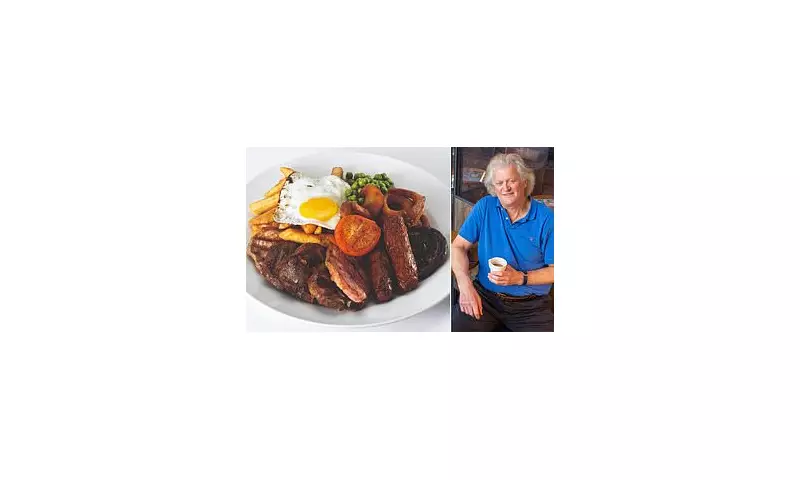
Sir Tim Martin, the outspoken chairman of the JD Wetherspoon pub chain, has disclosed the surprising reason behind the removal of the popular mixed grill from his establishments' menus. The decision, which also saw steaks, gammon, and the 'Steak Club' deal discontinued in May last year, stemmed primarily from customer dissatisfaction with how their steaks were cooked.
The Steak Controversy That Forced a Menu Change
Speaking to Times Radio, Sir Tim described the situation as a "very vexed issue" that ultimately led to significant menu simplification. "It was mainly the steak issue," he explained. "There's no two people in the UK agree what a medium steak is, so they were getting sent back a lot."
The mixed grill, which had been served across Wetherspoon's 800 venues, represented a substantial offering that included rump steak, gammon steak, chicken fillet, sausages, chips, peas, tomato, and a fried egg. A larger version featured increased portions and onion rings. Despite its popularity, the dish became problematic due to inconsistent customer expectations regarding steak preparation.

"It was causing us a lot of aggravation," Sir Tim admitted. "We struggled overall to do it well. So, do what you do, do well, we simplified the menu a bit - it's still a pretty big menu."
Financial Pressures Mounting for Pub Sector
During his conversation with former Conservative minister Lord Vaizey, Sir Tim turned his attention to the substantial financial challenges facing pubs following Chancellor Rachel Reeves's two Budgets. He revealed staggering cost increases that have placed unprecedented pressure on the hospitality sector.
"The cost increases in the last couple of years have been very high, enormous," Sir Tim stated. "In the first Budget, I think it was a year or so ago, of Rachel Reeves, it was £1.2 million increases per week for Wetherspoon, £60 million a year."
He added that subsequent measures have resulted in even greater financial burdens during the current year, creating what he described as "a very challenging cost environment for pubs as has been well documented."
Supermarket Competition and Tax Disparity
The Wetherspoon chairman highlighted what he perceives as an unfair tax system that disadvantages pubs compared to supermarkets. "I think the main issue that pubs have which I've been saying for a while is that we have a much harsher tax regime than supermarkets," he argued.
Sir Tim pointed to specific disparities: "Supermarkets do a great job for their customers, but we shouldn't be paying 20 per cent VAT on food sales when they pay nothing, and we pay far more business rates per pint."
He suggested this imbalance has created a crisis for pubs as the price differential between supermarket alcohol and pub prices continues to widen. "In the old days when pubs dominated the beer trade, governments could get away with that sort of thing," he noted. "But now the price differential between supermarkets and pubs is causing a crisis for pubs."
Post-Pandemic Challenges and Political Disconnect
Sir Tim believes many pub companies remain "in denial" about their competition with supermarkets, a situation he says was "exacerbated by the pandemic when people lost the pub-going habit and a lot of them stayed with fridges full of Fuller's London and Greene King's Abbot Ale or whatever it might be."
The chairman offered a pointed critique of political attitudes toward pubs, suggesting that politicians in both current and previous governments were "primarily dinner party goers" rather than "pub goers" who "don't quite sympathise with pubs."
"Pubs are a traditional part of society, the traditional melting point," he asserted. "I'm trying to not sound prejudiced but I suspect they need some regular pub goers in the Cabinet."
Profit Warning and Industry Outlook
The revelations come as Wetherspoon issued a profit warning on Wednesday, revealing a £45 million cost hit during its first half. The chain reported higher-than-expected costs in the first 25 weeks of its financial year, including rising bills for energy, wages, and business rates.

Despite a seasonal sales improvement - with like-for-like sales growth reaching 6.1 per cent in the 12 weeks to January 18, and a particularly strong 8.8 per cent increase during the three-week Christmas period - profits are expected to decline both in the first half and potentially for the full year if current sales trends continue.
Sir Tim revealed that Wetherspoon is attempting to maintain affordable pricing by focusing on beer sales, claiming the chain has doubled its trade since 2000. He personally visits approximately ten of his pubs each week, increasing to 18 establishments during the previous week.
Political Relations and Industry Support
When asked whether he would follow other publicans in banning Labour MPs from his venues amid the business rates controversy, Sir Tim responded pragmatically: "No I won't - we need all the money they can get, and they're quite well paid, so if Keir [Starmer] comes in then I'll buy him a pint."
The pub sector now awaits potential government support measures to mitigate the impact of rising business rates, which are increasing due to higher property valuations following the autumn budget. The Labour government faces mounting pressure to announce financial assistance for an industry struggling with multiple cost pressures while trying to maintain customer affordability.