White Castle Exits Key Las Vegas Locations as Tourism Economy Struggles
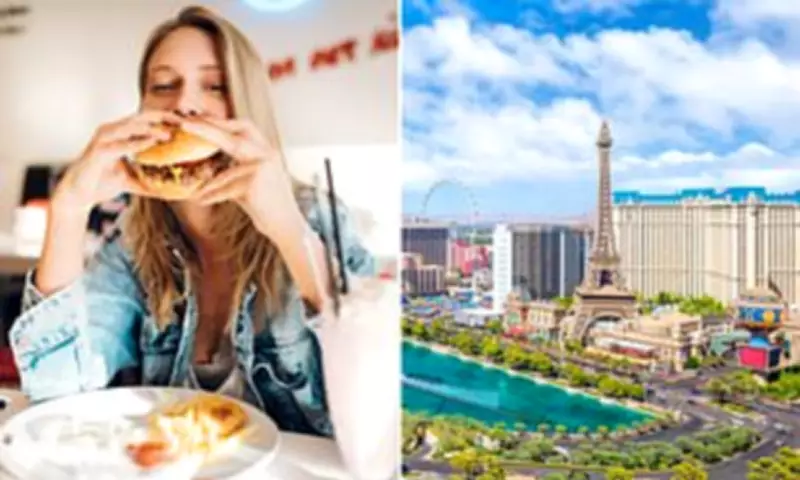
The iconic American fast food chain White Castle has delivered another blow to Las Vegas by announcing the closure of two of its Southern Nevada restaurants. The company confirmed it will shutter its location on the Las Vegas Strip at Casino Royale and its Marks Street outlet in Henderson, with both ceasing operations on March 30, 2026.
A Century-Old Brand Scales Back in the Desert
Founded in 1921 and widely celebrated as America's original fast food burger joint, White Castle made the difficult decision after more than a decade of operation at these sites. In a social media statement, the company expressed gratitude for the "incredible years" of service while confirming the impending closures.
The 105-year-old chain, famous for its distinctive square hamburger sliders, will maintain a presence in the region through its remaining Las Vegas locations at 107 N. Fourth Street and 4501 Paradise Road. An additional restaurant in the desert town of Jean, near the Nevada-California border, will also continue operating.

These closures result from a strategic acquisition from a local licensee. As part of this business arrangement, White Castle is purchasing three of the five Southern Nevada locations, consolidating its operations in the area.
Customer Nostalgia and Industry Challenges
Longtime patrons have expressed disappointment at the news, sharing personal memories associated with the soon-to-close restaurants. One Instagram user revealed: "In front of this location my husband and I decided to get married seven years ago." Another commented: "Wow. That was always a must-stop when visiting Vegas since we don't have them in California."
Unlike many larger fast food competitors that rely heavily on franchising, White Castle has maintained ownership of all its U.S. locations throughout its century-long history. This unique business model has allowed the privately-held company to control its growth and operations directly.
Broader Tourism Decline Hits Las Vegas Hard
The White Castle closures coincide with significant challenges facing Las Vegas's tourism-dependent economy. According to the Las Vegas Convention and Visitors Authority, the city welcomed approximately 3.1 million fewer visitors in 2025, representing a substantial 7.5 percent decline. This marks the sharpest drop outside pandemic periods since record-keeping began in 1970.
Transportation data reveals parallel declines, with passenger traffic at Harry Reid International Airport falling about 6 percent in 2025. Major carriers including American Airlines, Southwest Airlines, and Allegiant Air all experienced reduced volumes. The typically busy December holiday period saw an even steeper 10.3 percent decrease in passenger numbers.
Economic Analysis Points to Consumer Pressures
Andrew Woods, director of the Center for Business and Economic Research at the University of Nevada, suggests the Las Vegas situation reflects broader consumer trends rather than indicating the direction of the entire American economy. He notes that other major tourist destinations like Honolulu, Orlando, and Disneyland are not experiencing similar downturns, suggesting Las Vegas faces unique vulnerabilities.
"I think this is more of a microcosm of where the American consumer is than necessarily telling us where the American economy is going," Woods explained, pointing to rising costs and additional fees as particular pressure points for Las Vegas visitors.
Industry Response and Market Adjustments
Hotel and casino operators have already begun adjusting to the changing market conditions. Data from CoStar Group indicates midweek revenue per available room dropped by approximately 11 percent in 2025, prompting increased reliance on discounts and promotional incentives.
Major casino companies are feeling the impact directly. MGM Resorts International reported declines in both revenue and earnings at its Las Vegas properties throughout 2025, with particular weakness at value-oriented resorts such as Luxor and Excalibur. Similarly, Caesars Entertainment experienced a roughly 20 percent decline in full-year profit alongside a 5 percent revenue decrease in its Las Vegas segment.

Michael Stathokostopoulos, an industry analyst, observed: "Las Vegas remains a predominantly leisure-driven hotel market." He added that inflation and economic uncertainty are causing travelers to reconsider trips, shorten stays, or opt for more budget-friendly accommodations.
Visitor Perspectives and Changing Patterns
Tourists and industry professionals cite multiple factors contributing to the slowdown. Fernanda Loiza, a visitor from Guatemala, suggested some international travelers might hesitate due to stricter immigration enforcement, expressing concerns about "coming and openly and freely enjoying Las Vegas."
International visitors represent a crucial demographic for Las Vegas, typically staying longer and spending more than domestic tourists. However, rising prices are discouraging many potential visitors. Tour guide Michael Hillman noted: "Ten bucks for a bottle of water. People don't see a deal anymore."
Foot traffic patterns have shifted noticeably, with data from Placer.ai showing weekday share of Strip visitors declining while weekend traffic has increased to 35.3 percent in 2025, up from 33.8 percent in 2019. This reflects changing travel habits and economic pressures on midweek business.
Looking Ahead: Summer Travel Season Approaches
The coming months will provide critical indicators for Las Vegas's recovery prospects. As Americans begin booking summer travel, drive-in traffic from Southern California will serve as an important early measure of demand. This key feeder market traditionally supplies significant visitor numbers to the desert destination.
Airlines have already adjusted schedules in response to decreased demand, with Cirium data showing U.S. carriers scheduling approximately 7 percent fewer seats to Las Vegas for the first quarter of 2026 compared to the previous year.
Economists suggest years of add-on fees and rising prices have created a perception among visitors that they are receiving diminished value for increased expenditure. This challenging dynamic becomes increasingly difficult to sustain as inflation continues to pressure household budgets nationwide.
City officials and hospitality executives note that Las Vegas is transitioning from two record-breaking years toward a more balanced market. The shift is particularly evident during midweek periods when hotels traditionally rely on steady occupancy to support operations. When demand softens, resorts typically respond with promotional offers, discounted rooms, and added guest perks.
The physical evidence of this transition is visible along the Las Vegas Strip from Monday through Thursday, where self-parking garages appear less crowded while valet lanes maintain steadier activity. This contrast highlights the changing patterns of visitor behavior and spending in America's premier entertainment destination.