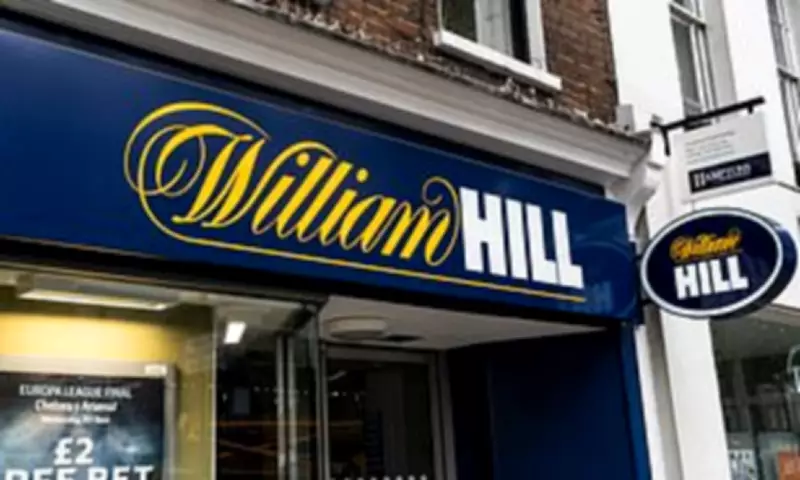
In a significant blow to the British high street, bookmaker William Hill has confirmed it will be closing 200 of its retail stores within weeks. This decision comes just months after the Labour government implemented what industry figures have described as 'highly damaging' tax increases on the gambling sector.
Direct Blame Placed on Government Tax Policy
William Hill's parent company, Evoke, released a statement directly attributing the store closures to Chancellor Rachel Reeves' tax hikes announced in last year's Autumn Budget. The company cited 'increased cost pressures on the regulated sector including significant tax increases' as the primary reason for making these retail locations unsustainable.
The statement continued: 'Following a thorough review and further to increased cost pressures on the regulated sector including significant tax increases announced by the Government in last year's Autumn Budget, from May we are closing a number of shops that are no longer sustainable.'

Tax Increases That Prompted the Closures
Chancellor Rachel Reeves' budget measures included almost doubling taxes on online gambling from 21 to 40 per cent, while simultaneously increasing sports betting taxes from 15 to 25 per cent. These substantial increases were met with fierce criticism from industry leaders, with some describing them as 'deeply appalling' and a 'devastating hammer blow' to the sector.
Justifying her decision during the Budget announcement, Reeves stated she was targeting the gambling industry specifically because it was 'associated with the highest levels of harm.' However, critics have noted that the Chancellor did not increase machine gaming duty, which is charged on profits from slot machines that are also strongly linked to gambling addiction.
Impact on Employees and High Street
The closure of 200 William Hill stores represents approximately 15 per cent of the company's total retail outlets. Evoke has stated that affected retail colleagues will receive 'full support' during this transition period, acknowledging that 'these decisions are never taken lightly.'
The company explained its rationale: 'In the face of rising cost pressures we must take action to ensure we can continue to invest in our core retail estate, with the right shops, in the right locations.'
Broader High Street Crisis
William Hill's announcement comes amid a deepening crisis for British high streets. Last year alone saw more than 13,000 stores close across the country, with retail experts warning that this troubling figure could rise further in 2026.
This is not an isolated incident in the retail sector. GAME, which once operated around 300 outlets nationwide, recently announced it will cease trading at its final three stores in April 2026. These closures will affect locations in Dudley, Lancaster, and Sutton.
Meanwhile, fashion retailer River Island closed 27 stores at the beginning of this year as its physical presence on high streets continues to diminish. These consecutive announcements highlight the ongoing challenges facing traditional retail businesses in an increasingly difficult economic environment.
The combination of rising operational costs, changing consumer habits, and now significant tax increases in specific sectors like gambling has created what industry analysts describe as a perfect storm for high street retailers. William Hill's decision to close 200 stores represents one of the most substantial single retail contraction announcements in recent months, directly linking government policy to business sustainability decisions.